Transaction value rejection requires reliable corroboration; refundable VAT is excluded and temporary registration does not defeat new-vehicle exempti...
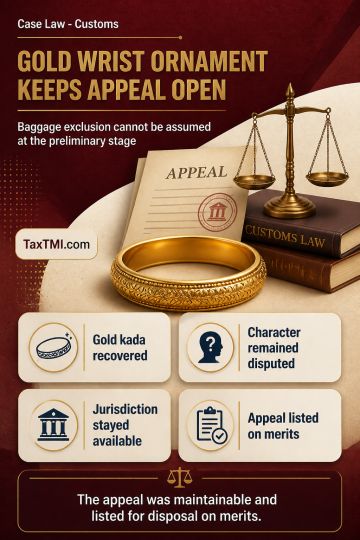
Appellate jurisdiction remains available where a wrist-worn gold ornament cannot conclusively be characterised as imported baggage at the preliminary ...
Written complaint requirement bars cognizance on police reports for securities offences, while unsupported breach of trust and cheating allegations fa...
Risk-based postal import clearance standardises electronic assessment, document requests, duty realisation and delivery controls at Foreign Post Offic...
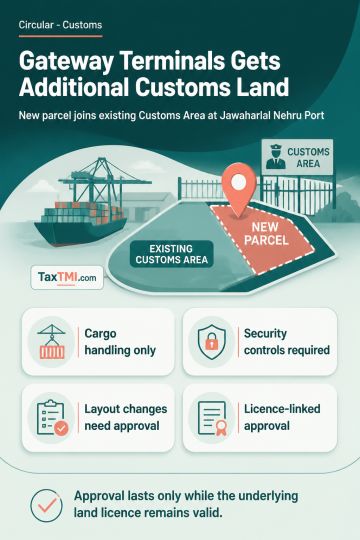
Customs Cargo Service Provider appointment extends custodianship to additional terminal land, subject to cargo-control, security and licence condition...
Page of 4786
Press 'Enter' after typing page number.
61 to 80 of 95714 Results
❮
❯
❯❯
0 / 200
Expand Note
Add to Folder
No Folders have been created
+
Are you sure you want to delete "My most important" ?
The Supreme Court held that the acquiring bank should pay service tax on the entire Merchant Discount Rate (MDR), which includes the interchange fee payable to the issuing bank, rather than separately taxing the interchange fee received by the issuing bank. The use of the conjunction 'and' in the relevant provision indicates the legislative intent to tax the MDR as a whole, without bifurcating it. Taxing the MDR at the first point of collection by the acquiring bank facilitates ease of tax collection and avoids revenue loss. The Revenue Department had all relevant data and could have ascertained the position before issuing show cause notices demanding separate taxation of the interchange fee. As the service tax on the entire MDR has already been paid, no separate tax is payable on the interchange fee component.
The Supreme Court held that the acquiring bank should pay service tax on the entire Merchant Discount Rate (MDR), which includes the interchange fee payable to the issuing bank, rather than separately taxing the interchange fee received by the issuing bank. The use of the conjunction 'and' in the relevant provision indicates the legislative intent to tax the MDR as a whole, without bifurcating it. Taxing the MDR at the first point of collection by the acquiring bank facilitates ease of tax collection and avoids revenue loss. The Revenue Department had all relevant data and could have ascertained the position before issuing show cause notices demanding separate taxation of the interchange fee. As the service tax on the entire MDR has already been paid, no separate tax is payable on the interchange fee component.
Note: It is a system-generated summary and is for quick reference only.
 TaxTMI
 of 4786









 Join Channel


 TaxTMI