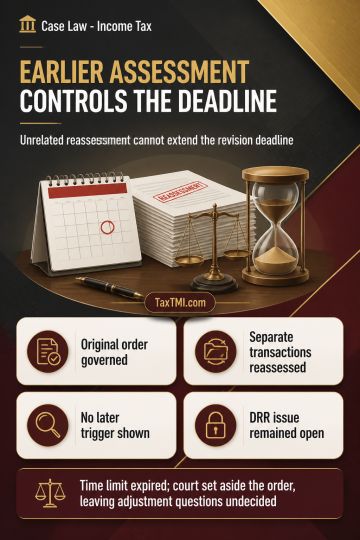
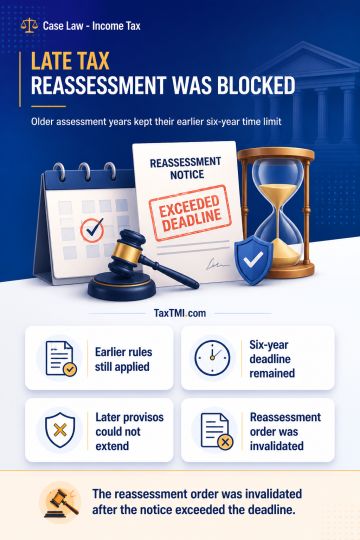
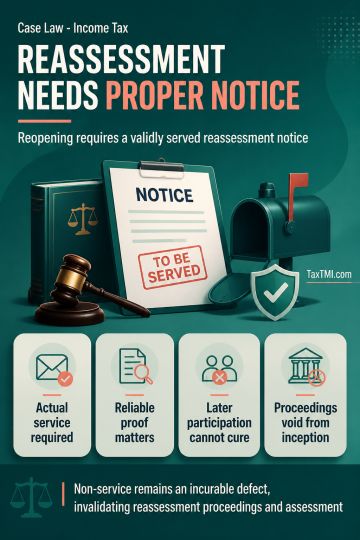
Pre-amendment reassessment limitation bars late notices under the preserved regime, invalidating consequential reassessment for affected earlier asses...
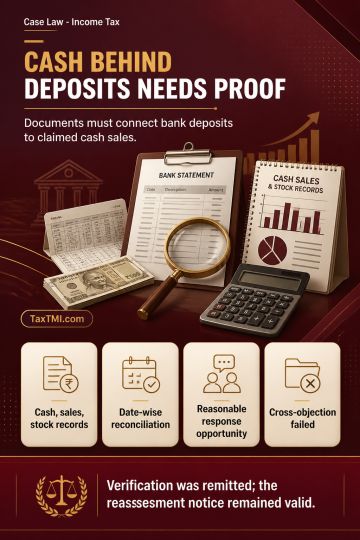
Cash-sales explanations for bank deposits require documentary reconciliation; reassessment notice survived where effective response time was available...
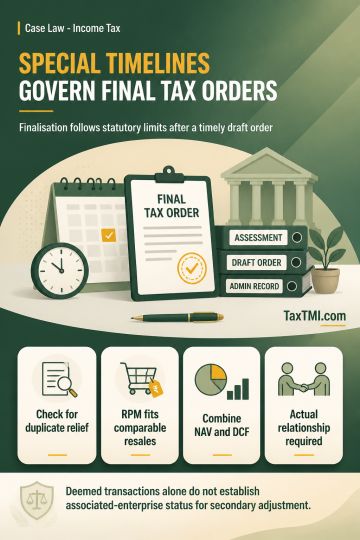
Functional comparability in transfer pricing prevents ad hoc arm's length adjustments where functions, assets, risks and reliable comparables are unes...
The Supreme Court held that the acquiring bank should pay service tax on the entire Merchant Discount Rate (MDR), which includes the interchange fee payable to the issuing bank, rather than separately taxing the interchange fee received by the issuing bank. The use of the conjunction 'and' in the relevant provision indicates the legislative intent to tax the MDR as a whole, without bifurcating it. Taxing the MDR at the first point of collection by the acquiring bank facilitates ease of tax collection and avoids revenue loss. The Revenue Department had all relevant data and could have ascertained the position before issuing show cause notices demanding separate taxation of the interchange fee. As the service tax on the entire MDR has already been paid, no separate tax is payable on the interchange fee component.
The Supreme Court held that the acquiring bank should pay service tax on the entire Merchant Discount Rate (MDR), which includes the interchange fee payable to the issuing bank, rather than separately taxing the interchange fee received by the issuing bank. The use of the conjunction 'and' in the relevant provision indicates the legislative intent to tax the MDR as a whole, without bifurcating it. Taxing the MDR at the first point of collection by the acquiring bank facilitates ease of tax collection and avoids revenue loss. The Revenue Department had all relevant data and could have ascertained the position before issuing show cause notices demanding separate taxation of the interchange fee. As the service tax on the entire MDR has already been paid, no separate tax is payable on the interchange fee component.
Note: It is a system-generated summary and is for quick reference only.
 TaxTMI
  TaxTMI
 of 4918