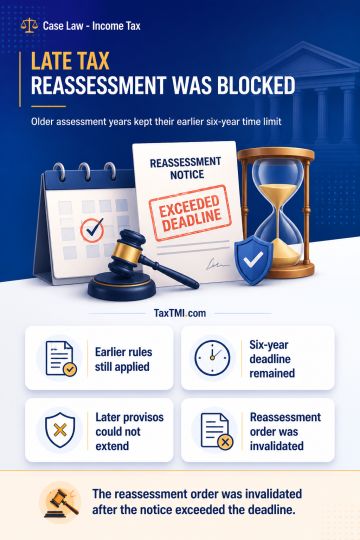
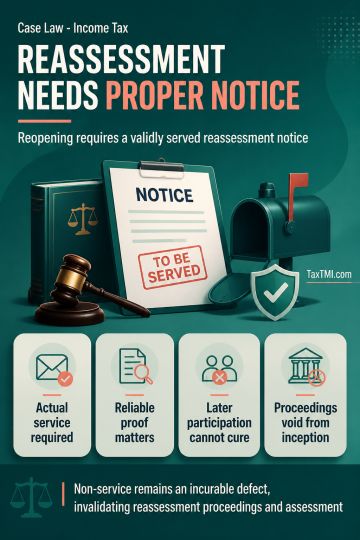
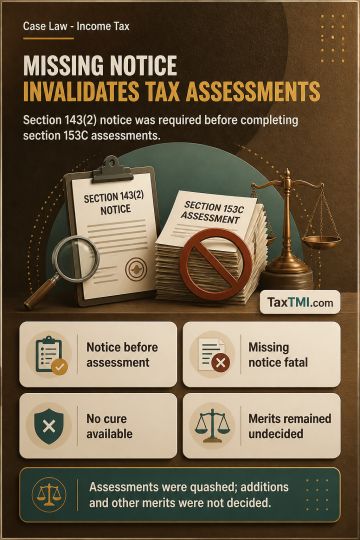
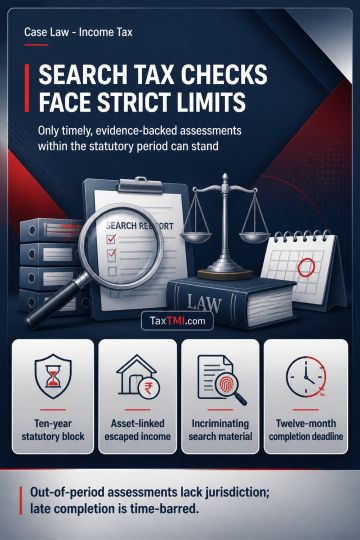
Pre-amendment reassessment limitation bars late notices under the preserved regime, invalidating consequential reassessment for affected earlier asses...
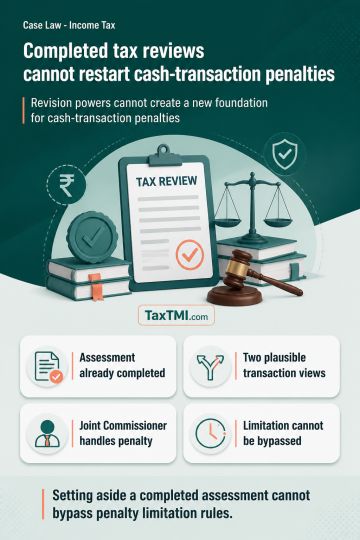
Cash-sales explanations for bank deposits require documentary reconciliation; reassessment notice survived where effective response time was available...
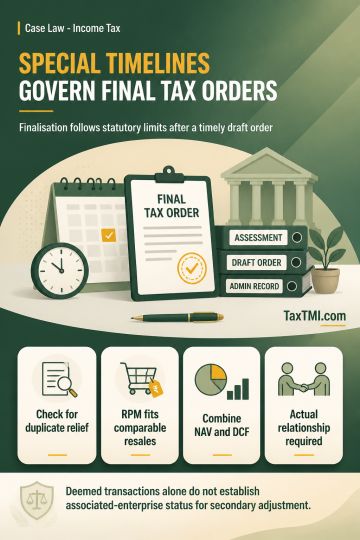
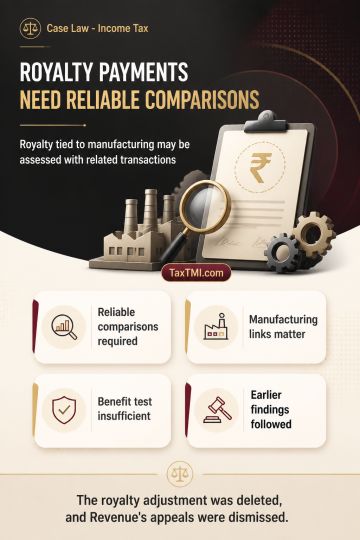
Functional comparability in transfer pricing prevents ad hoc arm's length adjustments where functions, assets, risks and reliable comparables are unes...
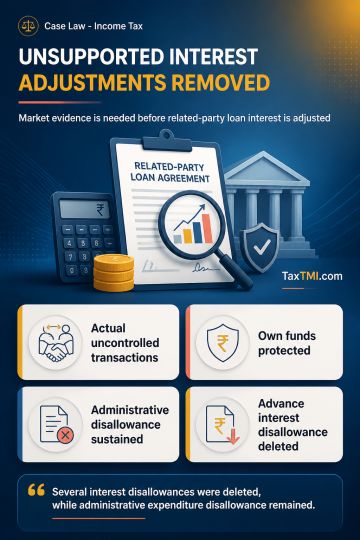
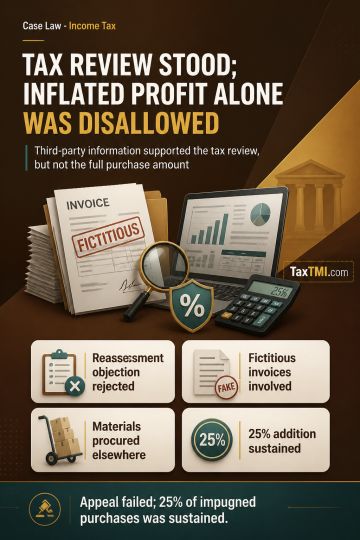
Contingency expenses, exempt-income disallowance, and royalty benchmarking: unsupported adjustments were deleted under consistent accounting and trans...
The High Court examined the jurisdiction of the Assessing Officer (AO) and the prescribed income-tax authority to issue notices u/s 143(2) of the Income Tax Act. It held that either the AO or the prescribed authority can issue such notices, as evident from the expression "as the case may be" in Section 143(2). The Central Board of Direct Taxes (CBDT) is empowered u/r 12E of the Income Tax Rules to authorize an Income Tax Officer as the prescribed authority for issuing notices u/s 143(2). In the present case, the CBDT had authorized the Assistant/Deputy Commissioner of Income Tax (International Taxation), Circle-1(1)(1), Delhi, to act as the prescribed authority. Therefore, the notice issued by this officer u/s 143(2) was valid and within jurisdiction. The contention that only National Faceless Assessment Centre officers can issue such notices was rejected as unsupported by the provisions. The prescribed authority can issue, not merely serve, notices u/s 143(2). Once the jurisdiction to issue notice u/s 143(2) is established, the AO cannot be faulted for completing the assessment.
The High Court examined the jurisdiction of the Assessing Officer (AO) and the prescribed income-tax authority to issue notices u/s 143(2) of the Income Tax Act. It held that either the AO or the prescribed authority can issue such notices, as evident from the expression "as the case may be" in Section 143(2). The Central Board of Direct Taxes (CBDT) is empowered u/r 12E of the Income Tax Rules to authorize an Income Tax Officer as the prescribed authority for issuing notices u/s 143(2). In the present case, the CBDT had authorized the Assistant/Deputy Commissioner of Income Tax (International Taxation), Circle-1(1)(1), Delhi, to act as the prescribed authority. Therefore, the notice issued by this officer u/s 143(2) was valid and within jurisdiction. The contention that only National Faceless Assessment Centre officers can issue such notices was rejected as unsupported by the provisions. The prescribed authority can issue, not merely serve, notices u/s 143(2). Once the jurisdiction to issue notice u/s 143(2) is established, the AO cannot be faulted for completing the assessment.
Note: It is a system-generated summary and is for quick reference only.
 TaxTMI
  TaxTMI
 of 4918