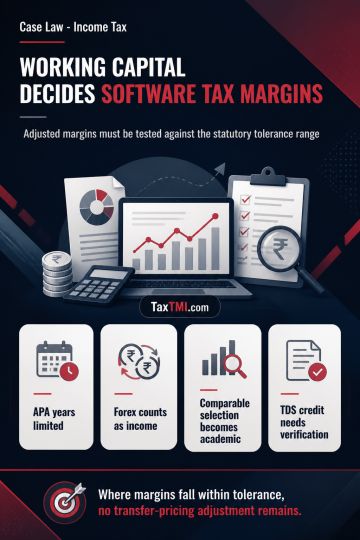
Working-capital adjustment determines whether software-services transfer-pricing margins fall within the statutory tolerance range, eliminating any ad...
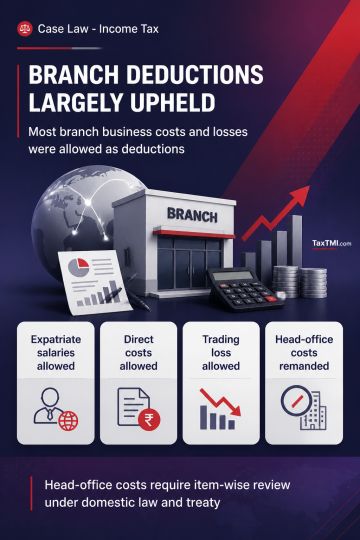
Permanent establishment deductions upheld for expatriate salaries, direct costs and trading losses, while head-office costs require fresh classificati...
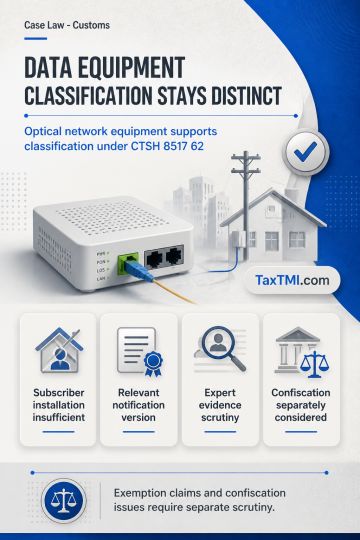
Data transmission equipment classification under CTSH 8517 62 remains distinct from residual classification, with exemption evidence requiring scrutin...
The court held that the gift deed executed by the defaulting brother in favor of the petitioner was a fraudulent attempt to obstruct the government from recovering legitimate dues. The timing of the gift deed, soon after the defaulter order, raised suspicion. The petitioner's conduct was questionable, including suppressing vital documents. The transaction appeared solely aimed at obstructing the sale of property to recover government dues. The court dismissed the petition with costs, stating that a petitioner with such conduct does not deserve extraordinary writ jurisdiction's assistance. The respondents were directed to initiate recovery proceedings against the petitioner for the defaulted dues.
The court held that the gift deed executed by the defaulting brother in favor of the petitioner was a fraudulent attempt to obstruct the government from recovering legitimate dues. The timing of the gift deed, soon after the defaulter order, raised suspicion. The petitioner's conduct was questionable, including suppressing vital documents. The transaction appeared solely aimed at obstructing the sale of property to recover government dues. The court dismissed the petition with costs, stating that a petitioner with such conduct does not deserve extraordinary writ jurisdiction's assistance. The respondents were directed to initiate recovery proceedings against the petitioner for the defaulted dues.
Note: It is a system-generated summary and is for quick reference only.
 TaxTMI
 of 4805










 Join Channel


 TaxTMI