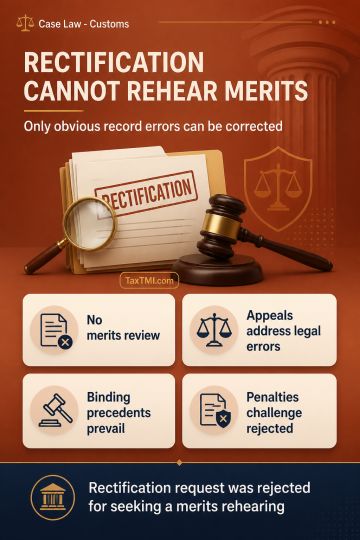
Rectification of mistake remains limited to self-evident record errors, preventing merits review through miscellaneous applications and preserving fin...
Tender creditworthiness conditions may extend to de facto Promoter Directors, with post-participation challenges generally barred absent arbitrariness...
Corporate representation in PMLA summons proceedings permitted through an authorised signatory, subject to directors' continuing cooperation and atten...
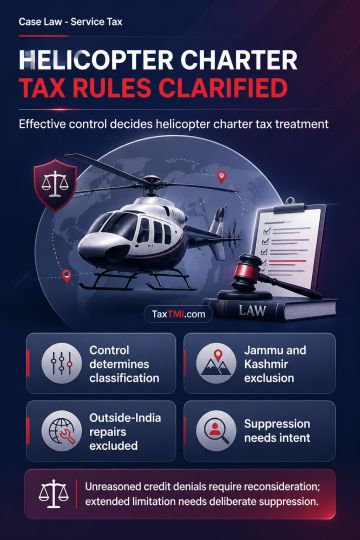
Helicopter charter classification requires effective control analysis, while territorial performance, reasoned credit orders and wilful suppression de...
Specified fund definition expands PAN exemption eligibility for registered alternative investment funds and qualifying International Financial Service...
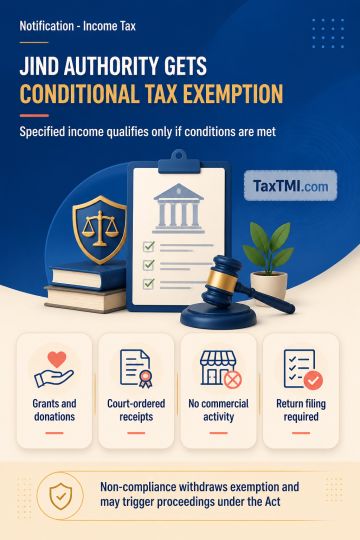
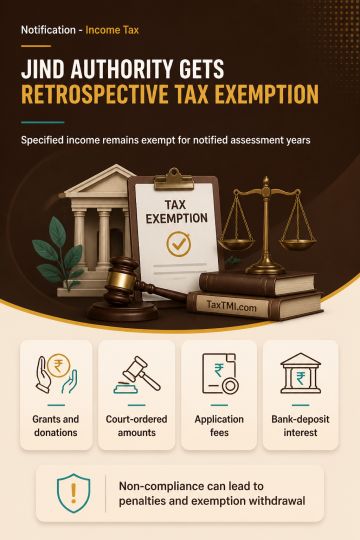
Tax exemption for specified legal-services authority income applies retrospectively, subject to non-commercial activity, unchanged income sources, and...
The court held that the gift deed executed by the defaulting brother in favor of the petitioner was a fraudulent attempt to obstruct the government from recovering legitimate dues. The timing of the gift deed, soon after the defaulter order, raised suspicion. The petitioner's conduct was questionable, including suppressing vital documents. The transaction appeared solely aimed at obstructing the sale of property to recover government dues. The court dismissed the petition with costs, stating that a petitioner with such conduct does not deserve extraordinary writ jurisdiction's assistance. The respondents were directed to initiate recovery proceedings against the petitioner for the defaulted dues.
The court held that the gift deed executed by the defaulting brother in favor of the petitioner was a fraudulent attempt to obstruct the government from recovering legitimate dues. The timing of the gift deed, soon after the defaulter order, raised suspicion. The petitioner's conduct was questionable, including suppressing vital documents. The transaction appeared solely aimed at obstructing the sale of property to recover government dues. The court dismissed the petition with costs, stating that a petitioner with such conduct does not deserve extraordinary writ jurisdiction's assistance. The respondents were directed to initiate recovery proceedings against the petitioner for the defaulted dues.
Note: It is a system-generated summary and is for quick reference only.
 TaxTMI
 of 4805












 Join Channel


 TaxTMI