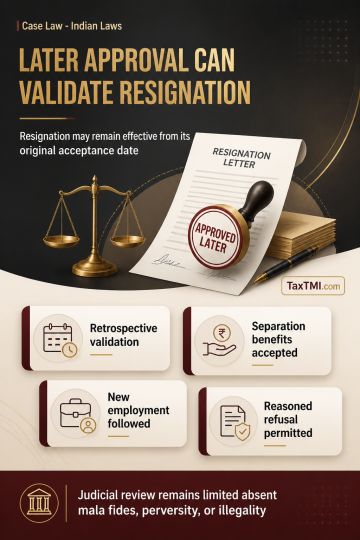
Ratification of resignation acceptance validates separation retrospectively, while withdrawal may be refused through reasoned administrative discretio...
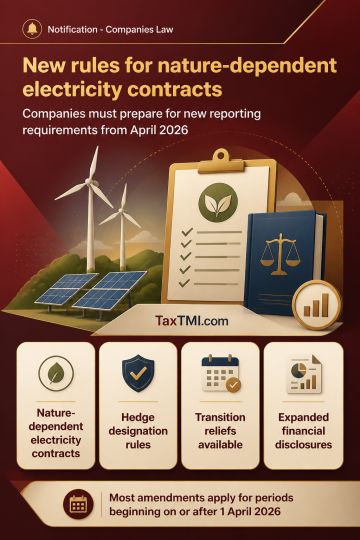
Nature-dependent electricity contracts receive new Ind AS accounting, hedge designation, transition and financial-statement disclosure requirements fr...
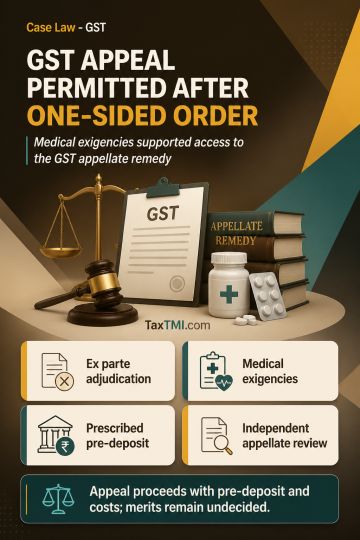
Alternative GST remedy permitted protective writ intervention for ex parte adjudication, preserving independent appellate review of input tax credit d...
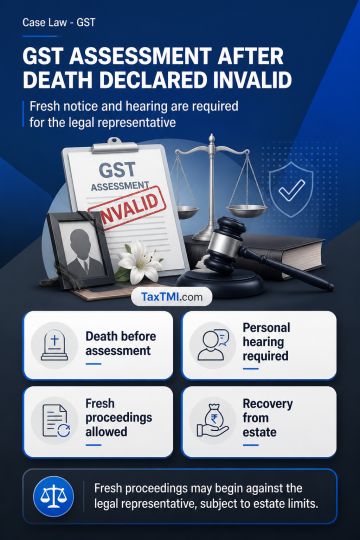
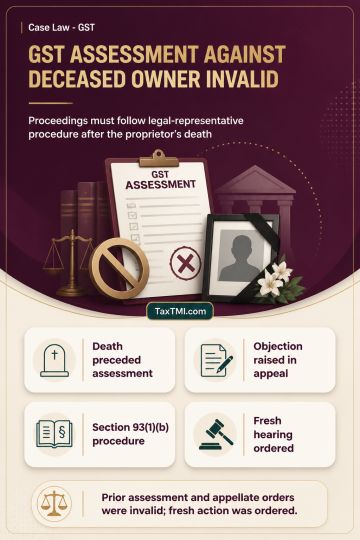
Assessment against deceased sole proprietor requires proceedings against the legal representative, rendering prior assessment and appellate orders inv...
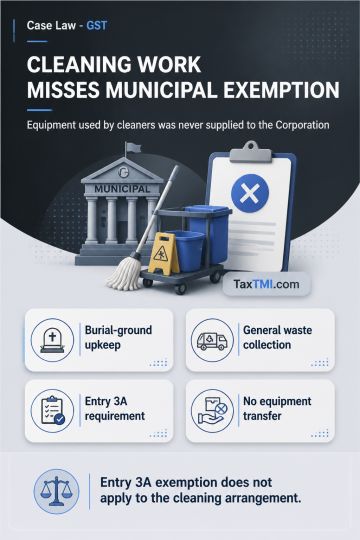
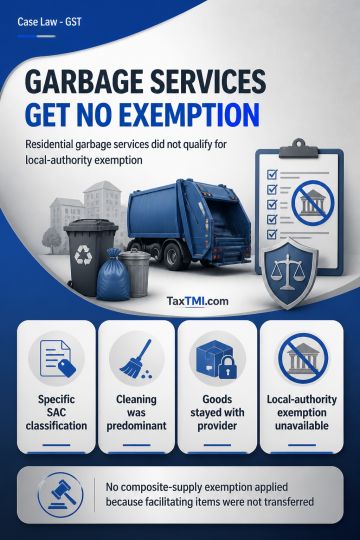
Residential waste collection classification under SAC 999423 defeats composite-supply exemption where facilitating goods are not transferred to the lo...
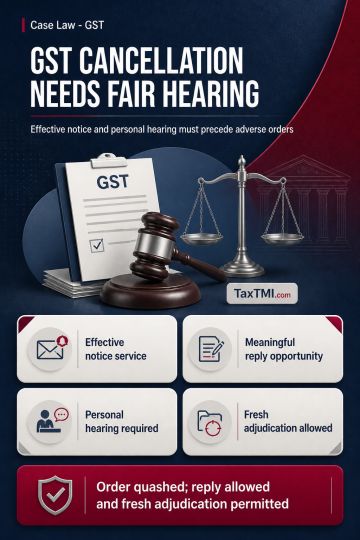
The High Court addressed the issue of cancellation of GST registration due to non-filing of returns and the rejection of an appeal on the ground of time limitation. The respondent claimed that the statute prescribes a specific limitation period of 90 days to file an appeal, and the petitioner's appeal was time-barred. The Court held that no useful purpose would be served by keeping the petitioners out of the Goods and Service Tax regime, as they would continue their businesses and supply goods and services. The Court acknowledged that most small-scale entrepreneurs are uneducated and unaccustomed to handling emails and advanced technologies, despite providing email IDs during registration. The Court emphasized that the object of any government should be to promote trade, not curtail it. The method adopted by the department is likened to strangulating the neck of small-scale entrepreneurs, as cancellation of registration amounts to capital punishment for traders. The Court expects the GST department to amend relevant provisions, considering the consequences on traders, and to find modalities for conveying show cause notices via SMS and regional languages.
The High Court addressed the issue of cancellation of GST registration due to non-filing of returns and the rejection of an appeal on the ground of time limitation. The respondent claimed that the statute prescribes a specific limitation period of 90 days to file an appeal, and the petitioner's appeal was time-barred. The Court held that no useful purpose would be served by keeping the petitioners out of the Goods and Service Tax regime, as they would continue their businesses and supply goods and services. The Court acknowledged that most small-scale entrepreneurs are uneducated and unaccustomed to handling emails and advanced technologies, despite providing email IDs during registration. The Court emphasized that the object of any government should be to promote trade, not curtail it. The method adopted by the department is likened to strangulating the neck of small-scale entrepreneurs, as cancellation of registration amounts to capital punishment for traders. The Court expects the GST department to amend relevant provisions, considering the consequences on traders, and to find modalities for conveying show cause notices via SMS and regional languages.
Note: It is a system-generated summary and is for quick reference only.
 TaxTMI
 of 4796



 Join Channel


 TaxTMI
