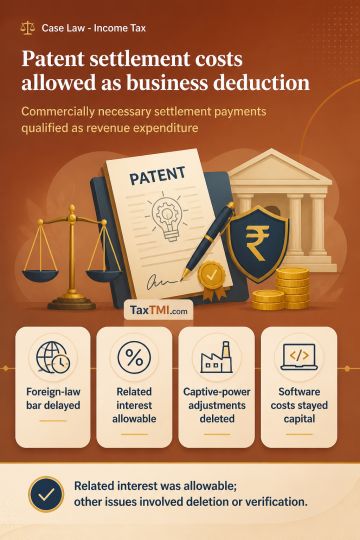
Patent-settlement expenditure treated as commercially expedient revenue outlay, with foreign-law restrictions inapplicable before the prospective amen...
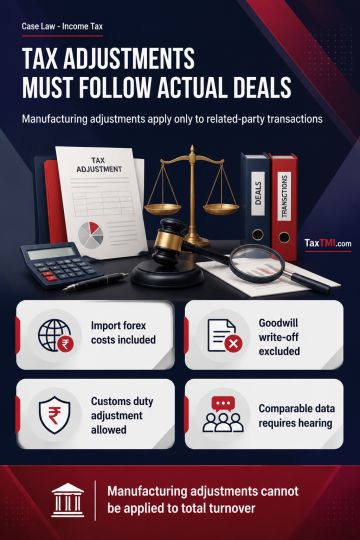
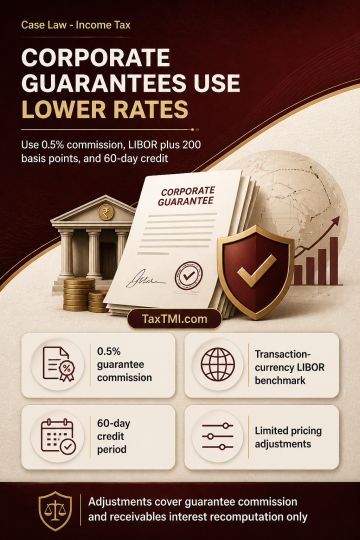
International transaction benchmarking restricts transfer pricing adjustments to associated-enterprise dealings, while functional comparability govern...
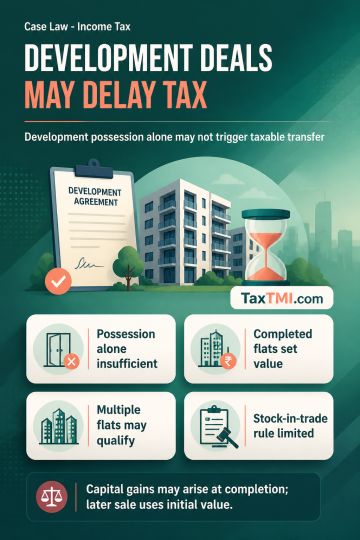
Joint development agreements defer taxable transfer where possession lacks part performance, while completed flats determine consideration and exempti...
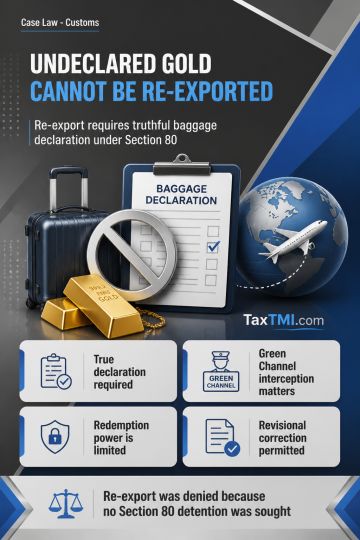
Passenger baggage re-export requires true declaration and cannot be granted indirectly through discretionary redemption of undeclared prohibited goods...
The High Court addressed the issue of cancellation of GST registration due to non-filing of returns and the rejection of an appeal on the ground of time limitation. The respondent claimed that the statute prescribes a specific limitation period of 90 days to file an appeal, and the petitioner's appeal was time-barred. The Court held that no useful purpose would be served by keeping the petitioners out of the Goods and Service Tax regime, as they would continue their businesses and supply goods and services. The Court acknowledged that most small-scale entrepreneurs are uneducated and unaccustomed to handling emails and advanced technologies, despite providing email IDs during registration. The Court emphasized that the object of any government should be to promote trade, not curtail it. The method adopted by the department is likened to strangulating the neck of small-scale entrepreneurs, as cancellation of registration amounts to capital punishment for traders. The Court expects the GST department to amend relevant provisions, considering the consequences on traders, and to find modalities for conveying show cause notices via SMS and regional languages.
The High Court addressed the issue of cancellation of GST registration due to non-filing of returns and the rejection of an appeal on the ground of time limitation. The respondent claimed that the statute prescribes a specific limitation period of 90 days to file an appeal, and the petitioner's appeal was time-barred. The Court held that no useful purpose would be served by keeping the petitioners out of the Goods and Service Tax regime, as they would continue their businesses and supply goods and services. The Court acknowledged that most small-scale entrepreneurs are uneducated and unaccustomed to handling emails and advanced technologies, despite providing email IDs during registration. The Court emphasized that the object of any government should be to promote trade, not curtail it. The method adopted by the department is likened to strangulating the neck of small-scale entrepreneurs, as cancellation of registration amounts to capital punishment for traders. The Court expects the GST department to amend relevant provisions, considering the consequences on traders, and to find modalities for conveying show cause notices via SMS and regional languages.
Note: It is a system-generated summary and is for quick reference only.
 TaxTMI
 of 4800



 Join Channel


 TaxTMI
