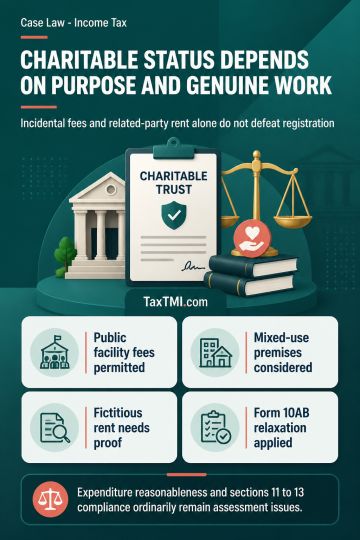
Charitable registration turns on predominant purpose and genuine activities, while incidental fees and related-party rent require supporting adverse m...
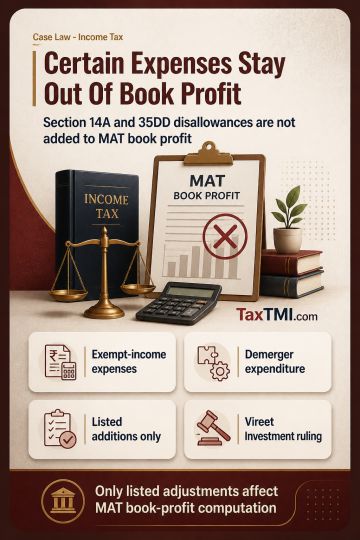
MAT book-profit adjustments exclude disallowances for exempt-income expenditure and demerger expenditure unless expressly listed under the statutory c...
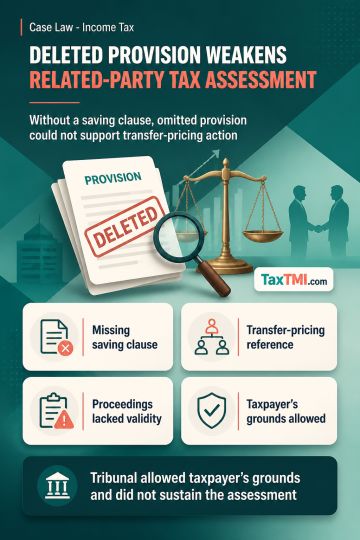
Omitted specified domestic transaction provision invalidates related-party expenditure transfer-pricing references and assessments based on consequent...
Determining whether certain goods, specifically old used iron scrap, used lead acid batteries, old used aluminum utensils and other aluminum scrap, old used brass utensils and other scrap, used old steel utensils scrap, old used scrap of copper, used waste plastic bags and used plastic PET bottles, qualify for the margin scheme u/r 32(5) of the CGST Rules, 2017. The key points are: Notification No. 8/2018-Central Tax (Rate) does not limit the margin scheme to second-hand motor vehicles only, but it is available for all other goods that qualify as second-hand goods. The distinction between second-hand goods and scrap is crucial, with second-hand goods being ready for immediate use by a new owner, while scrap requires processing to be useful again. The goods in question are considered scrap, not second-hand goods, as they do not meet the continuity of usage requirement. Therefore, they are ineligible for the margin scheme u/r 32(5) of the CGST Rules, 2017, for both intra-state and inter-state supply of goods.
Determining whether certain goods, specifically old used iron scrap, used lead acid batteries, old used aluminum utensils and other aluminum scrap, old used brass utensils and other scrap, used old steel utensils scrap, old used scrap of copper, used waste plastic bags and used plastic PET bottles, qualify for the margin scheme u/r 32(5) of the CGST Rules, 2017. The key points are: Notification No. 8/2018-Central Tax (Rate) does not limit the margin scheme to second-hand motor vehicles only, but it is available for all other goods that qualify as second-hand goods. The distinction between second-hand goods and scrap is crucial, with second-hand goods being ready for immediate use by a new owner, while scrap requires processing to be useful again. The goods in question are considered scrap, not second-hand goods, as they do not meet the continuity of usage requirement. Therefore, they are ineligible for the margin scheme u/r 32(5) of the CGST Rules, 2017, for both intra-state and inter-state supply of goods.
Note: It is a system-generated summary and is for quick reference only.
 TaxTMI
 of 4803



 Join Channel


 TaxTMI