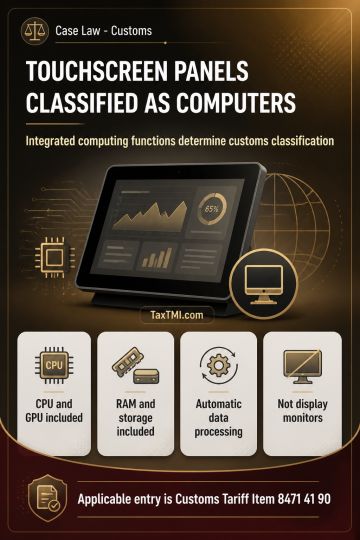
Interactive touchscreen panels with integrated computing functions fall under automatic data-processing machines rather than display monitors for cust...
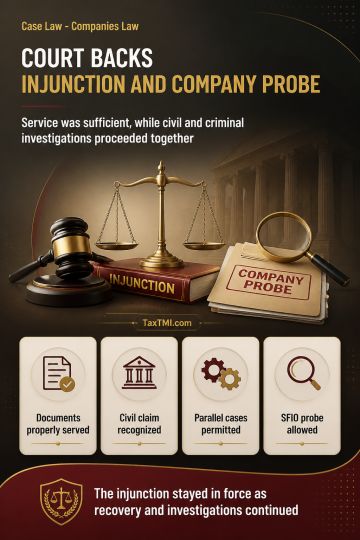
Ex parte injunction service requirements were substantially met, while civil recovery and SFIO investigation into provident fund defalcation continued...
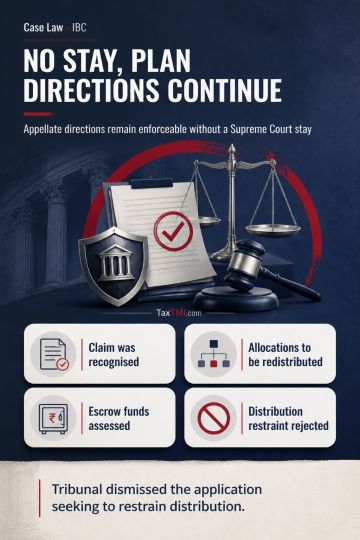
Enforcement of resolution-plan directions continues without a Supreme Court stay, preventing suspension of redistribution and escrowed-fund distributi...
Third-party ownership claims over attached property require Special Court adjudication where purchasers lack registered sale deeds and bona fides rema...
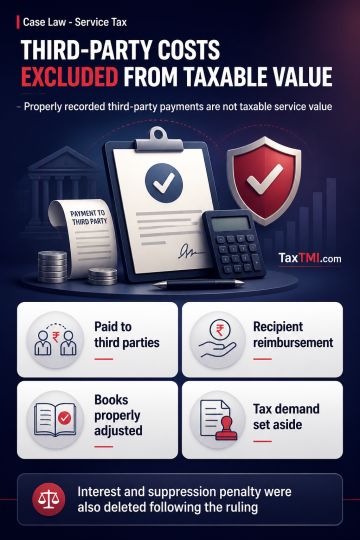
Pure-agent reimbursements in clearing and forwarding services are excluded from taxable value when qualifying third-party payments are properly record...
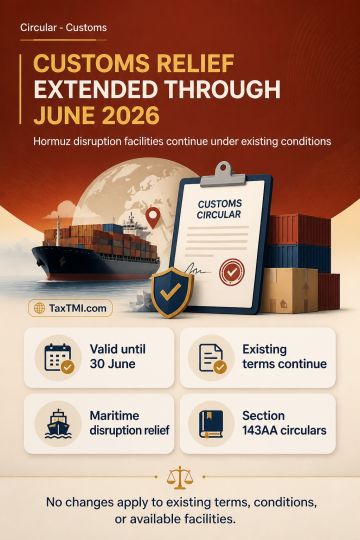
Customs relief for Strait of Hormuz maritime disruptions remains available, with existing conditions continuing unchanged through the extended validit...
The case pertains to the validity of revision u/s 263 involving a substantial question of law or fact. There were discrepancies between the figures for current assets and current liabilities in the balance sheet and cash flow statement filed before the Assessing Officer for the financial year 2007-08. The CIT(A) dismissed the appeal ex-parte, and the Tribunal restored the issue to the CIT(A)'s file to allow the assessee an opportunity to substantiate its case. However, the Tribunal remarked that the assessee was not interested in reconciling the discrepancies but attempting to use technical reasons to avoid responsibility, showcasing the triviality of the matter. The Supreme Court held that no case for interference was made out under Article 136 of the Constitution and dismissed the Special Leave Petition, condoning the delay. Any pending application was also disposed of.
The case pertains to the validity of revision u/s 263 involving a substantial question of law or fact. There were discrepancies between the figures for current assets and current liabilities in the balance sheet and cash flow statement filed before the Assessing Officer for the financial year 2007-08. The CIT(A) dismissed the appeal ex-parte, and the Tribunal restored the issue to the CIT(A)'s file to allow the assessee an opportunity to substantiate its case. However, the Tribunal remarked that the assessee was not interested in reconciling the discrepancies but attempting to use technical reasons to avoid responsibility, showcasing the triviality of the matter. The Supreme Court held that no case for interference was made out under Article 136 of the Constitution and dismissed the Special Leave Petition, condoning the delay. Any pending application was also disposed of.
Note: It is a system-generated summary and is for quick reference only.
 TaxTMI
 of 4803






 Join Channel


 TaxTMI