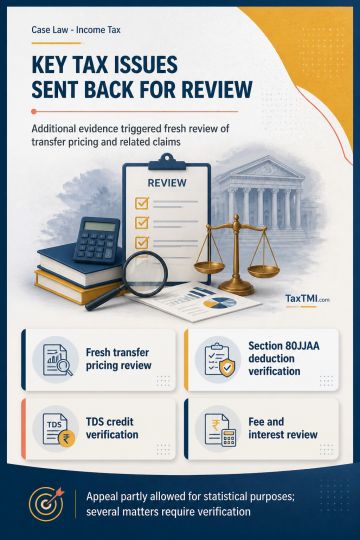
Additional evidence in transfer pricing dispute leads to fresh examination, while tax deductions, TDS credit, fee and refund interest require verifica...
Category II AIF pass-through taxation preserves non-business income character; investment receipts cannot be reclassified without applying recognised ...
Mutual fund maturity rules require proper rollover, redemption, disclosure, and due diligence; investor gains cannot excuse regulatory breaches or pen...
Threshold exemption excludes exempt services, while stamp-paper purchases avoid reverse charge; consequential service tax penalties were also set asid...
Employee conflict disclosures and investment restrictions expand with new recusal duties, post-employment limits, and compliance reporting requirement...
The case pertains to the prohibition on import and confiscation of seven drawings by renowned artists under Customs Notification No. 1/1964, deeming them obscene. The court held that the ability to communicate ideas through art is a legitimate human endeavour and cannot be controlled based on acceptability to authorities. Vesting obscenity determination powers in customs authorities risks arbitrary state behaviour imperilling fundamental freedoms. The impugned order ignored relevant considerations like expert opinions, artistic value, contemporary standards, and legal precedents, relying instead on individualized morality standards, personal prejudices, and frivolous grounds. Relegating the petitioner to departmental appeals risked destruction of the valuable artworks. The impugned order was set aside, and the petition was allowed, upholding artistic expression and freedom of speech.
The case pertains to the prohibition on import and confiscation of seven drawings by renowned artists under Customs Notification No. 1/1964, deeming them obscene. The court held that the ability to communicate ideas through art is a legitimate human endeavour and cannot be controlled based on acceptability to authorities. Vesting obscenity determination powers in customs authorities risks arbitrary state behaviour imperilling fundamental freedoms. The impugned order ignored relevant considerations like expert opinions, artistic value, contemporary standards, and legal precedents, relying instead on individualized morality standards, personal prejudices, and frivolous grounds. Relegating the petitioner to departmental appeals risked destruction of the valuable artworks. The impugned order was set aside, and the petition was allowed, upholding artistic expression and freedom of speech.
Note: It is a system-generated summary and is for quick reference only.
 TaxTMI
 of 4803



















 Join Channel


 TaxTMI
