Origin Declaration authentication governs preferential tariff claims under India-UK CETA, requiring a validated reference number before import clearan...
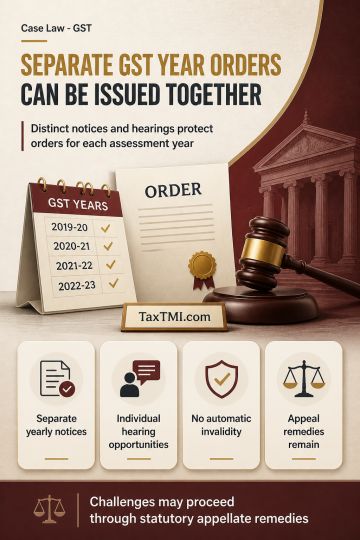
Separate assessment orders for different years remain valid when distinct notices and hearing opportunities prevent prejudice from combined proceeding...
Defined public benefit can retain charitable character; registration renewal requires examining genuine activities and legal compliance, not surplus a...
Capital reduction is distinct from share buy-back, preventing buy-back tax; restructuring interest and related business deductions also survive scruti...
The case pertains to the prohibition on import and confiscation of seven drawings by renowned artists under Customs Notification No. 1/1964, deeming them obscene. The court held that the ability to communicate ideas through art is a legitimate human endeavour and cannot be controlled based on acceptability to authorities. Vesting obscenity determination powers in customs authorities risks arbitrary state behaviour imperilling fundamental freedoms. The impugned order ignored relevant considerations like expert opinions, artistic value, contemporary standards, and legal precedents, relying instead on individualized morality standards, personal prejudices, and frivolous grounds. Relegating the petitioner to departmental appeals risked destruction of the valuable artworks. The impugned order was set aside, and the petition was allowed, upholding artistic expression and freedom of speech.
The case pertains to the prohibition on import and confiscation of seven drawings by renowned artists under Customs Notification No. 1/1964, deeming them obscene. The court held that the ability to communicate ideas through art is a legitimate human endeavour and cannot be controlled based on acceptability to authorities. Vesting obscenity determination powers in customs authorities risks arbitrary state behaviour imperilling fundamental freedoms. The impugned order ignored relevant considerations like expert opinions, artistic value, contemporary standards, and legal precedents, relying instead on individualized morality standards, personal prejudices, and frivolous grounds. Relegating the petitioner to departmental appeals risked destruction of the valuable artworks. The impugned order was set aside, and the petition was allowed, upholding artistic expression and freedom of speech.
Note: It is a system-generated summary and is for quick reference only.
 TaxTMI
 of 4803















 Join Channel


 TaxTMI
