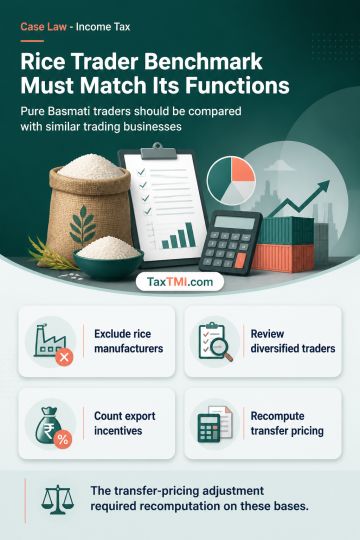
TNMM functional comparability requires excluding rice manufacturers from a pure Basmati rice trader's benchmark and recognising operating export recei...
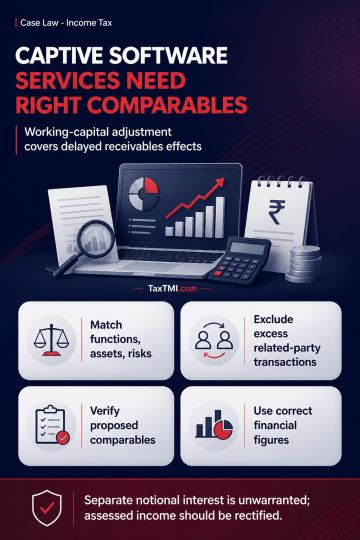
Working-capital adjustment subsumes delayed-receivable effects in TNMM benchmarking of captive software-development services, avoiding separate notion...
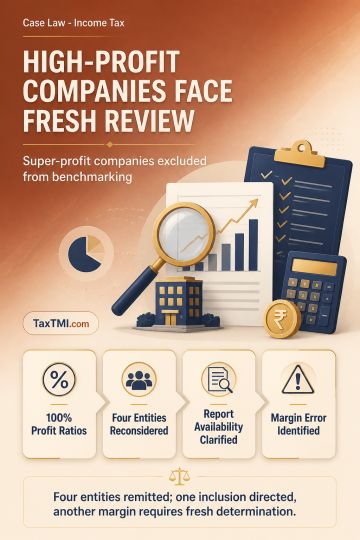
Transfer-pricing comparability requires exclusion of financially illogical super-profit comparables and correction of unsupported annual-report and ma...
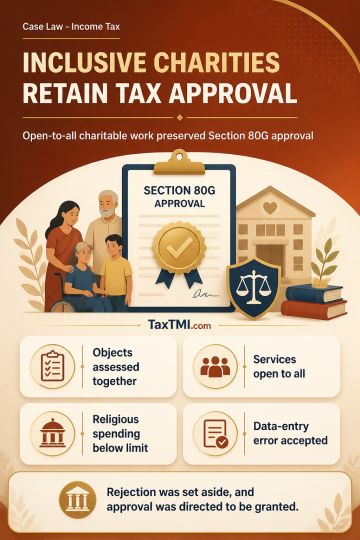
Charitable character assessment preserves Section 80G approval despite inclusive spiritual teachings and incidental religious expenditure within the s...
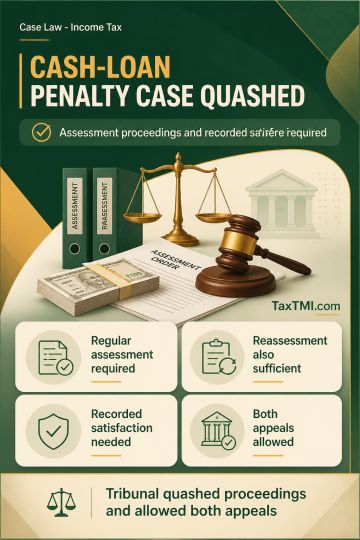
Penalty proceedings for cash-loan acceptance require assessment proceedings and recorded Assessing Officer satisfaction; absent these, the proceedings...
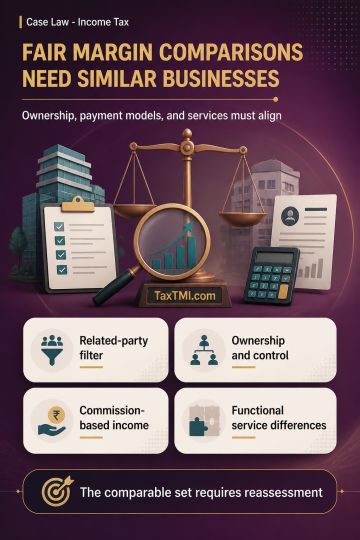
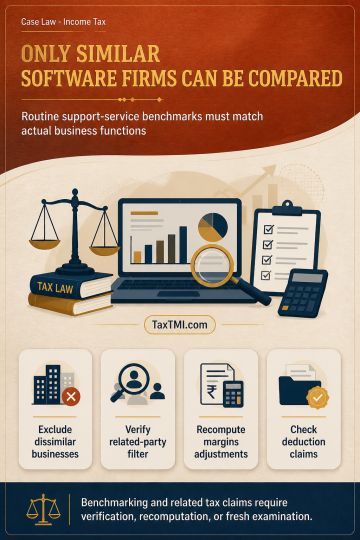
Functional comparability governs software-service benchmarking: dissimilar companies are excluded, while related-party filters, margins and working-ca...
The case pertains to an alleged violation of Customs Broker Licensing Regulations (CBLR) 2018, specifically Regulations 10(d), 10(n), and 11 of CBLR 2013, by a Customs Broker. The key points are: The Customs Broker met the IEC holders in person, obtained the required documents under KYC guidelines, and the IEC holders acknowledged the representative's authority. The Regulations do not prohibit such consensual arrangements between IEC holders and the representative. The representative submitted export documents on behalf of the importing firms, and payments were made to the disclosed accounts. The CESTAT concluded that the importers possessed the requisite documents, the appellant did not gain any undue benefit from the arrangement, and the CESTAT order was based on sound reasoning and application of legal principles. Consequently, the High Court dismissed the appeal.
The case pertains to an alleged violation of Customs Broker Licensing Regulations (CBLR) 2018, specifically Regulations 10(d), 10(n), and 11 of CBLR 2013, by a Customs Broker. The key points are: The Customs Broker met the IEC holders in person, obtained the required documents under KYC guidelines, and the IEC holders acknowledged the representative's authority. The Regulations do not prohibit such consensual arrangements between IEC holders and the representative. The representative submitted export documents on behalf of the importing firms, and payments were made to the disclosed accounts. The CESTAT concluded that the importers possessed the requisite documents, the appellant did not gain any undue benefit from the arrangement, and the CESTAT order was based on sound reasoning and application of legal principles. Consequently, the High Court dismissed the appeal.
Note: It is a system-generated summary and is for quick reference only.
 TaxTMI
  TaxTMI
 of 4830





 Join Channel


