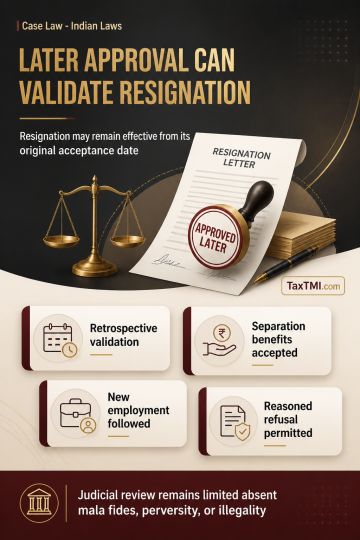
Ratification of resignation acceptance validates separation retrospectively, while withdrawal may be refused through reasoned administrative discretio...
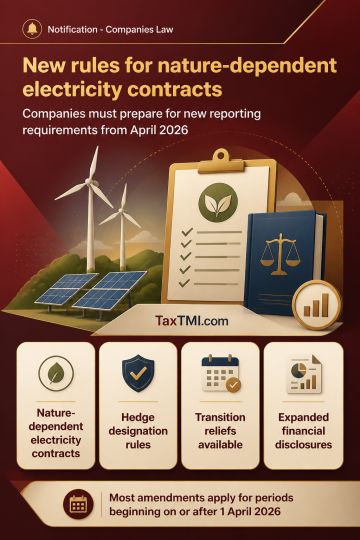
Nature-dependent electricity contracts receive new Ind AS accounting, hedge designation, transition and financial-statement disclosure requirements fr...
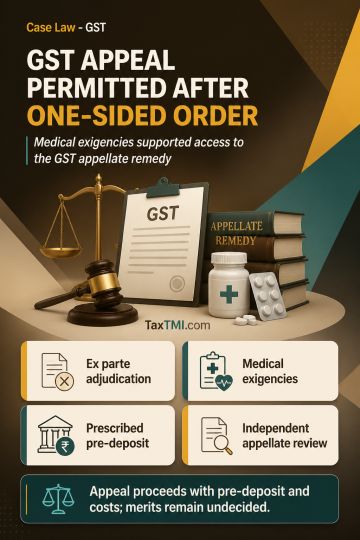
Alternative GST remedy permitted protective writ intervention for ex parte adjudication, preserving independent appellate review of input tax credit d...
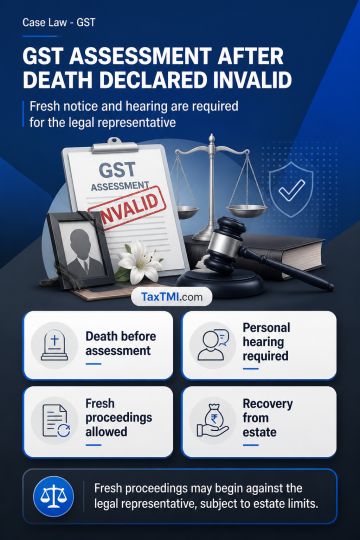
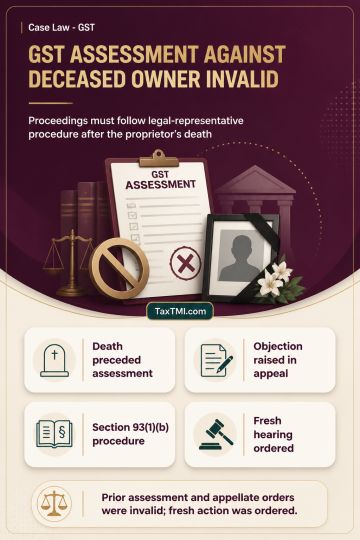
Assessment against deceased sole proprietor requires proceedings against the legal representative, rendering prior assessment and appellate orders inv...
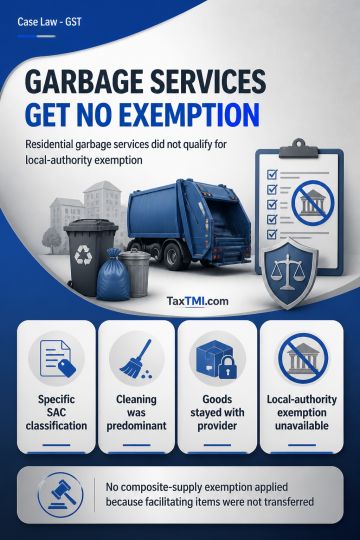
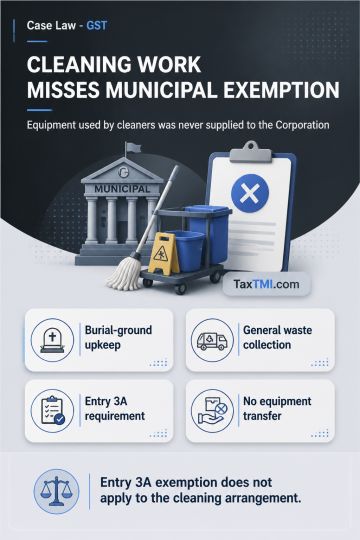
Residential waste collection classification under SAC 999423 defeats composite-supply exemption where facilitating goods are not transferred to the lo...
Page of 4800
Press 'Enter' after typing page number.
161 to 180 of 96000 Results
❮
❯
❯❯
0 / 200
Expand Note
Add to Folder
No Folders have been created
+
Are you sure you want to delete "My most important" ?
The case pertains to the validity of input tax credit (ITC) availed on construction goods for a building leased to an educational institution. The Supreme Court held that each case involving malls or buildings must undergo a fact-finding inquiry to determine if it satisfies the functionality test of being a 'plant' u/s 17(5)(d). If the building qualifies as a plant, ITC can be allowed on goods and services used in setting up the immovable property. The petitioner was required to satisfy the adjudicating authority whether the building qualified as a plant to avail ITC but failed to submit necessary documents and instead approached the court. The final order was passed, which the petitioner did not challenge. The court dismissed the petition, allowing the petitioner to file an appeal and rely on the Supreme Court's decision in the Safari Retreats case.
The case pertains to the validity of input tax credit (ITC) availed on construction goods for a building leased to an educational institution. The Supreme Court held that each case involving malls or buildings must undergo a fact-finding inquiry to determine if it satisfies the functionality test of being a 'plant' u/s 17(5)(d). If the building qualifies as a plant, ITC can be allowed on goods and services used in setting up the immovable property. The petitioner was required to satisfy the adjudicating authority whether the building qualified as a plant to avail ITC but failed to submit necessary documents and instead approached the court. The final order was passed, which the petitioner did not challenge. The court dismissed the petition, allowing the petitioner to file an appeal and rely on the Supreme Court's decision in the Safari Retreats case.
Note: It is a system-generated summary and is for quick reference only.
 TaxTMI
 of 4800



 Join Channel


 TaxTMI