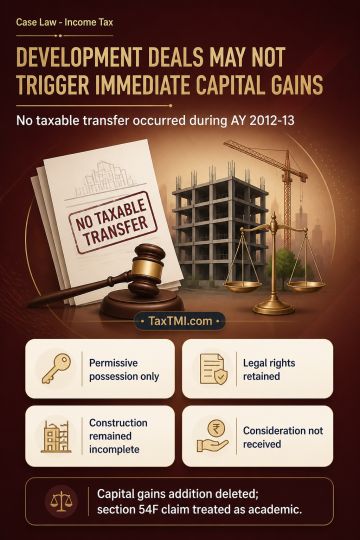
Development agreements require legal possession or effective enjoyment for capital gains transfer; permissive possession and deferred consideration de...
Prolonged sterilisation of development rights supports capital-gains treatment, while business-income disallowances cannot govern capital-gains comput...
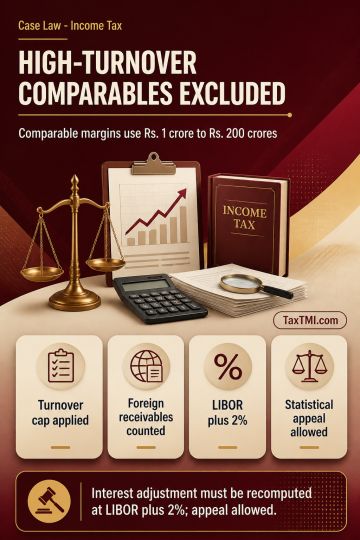
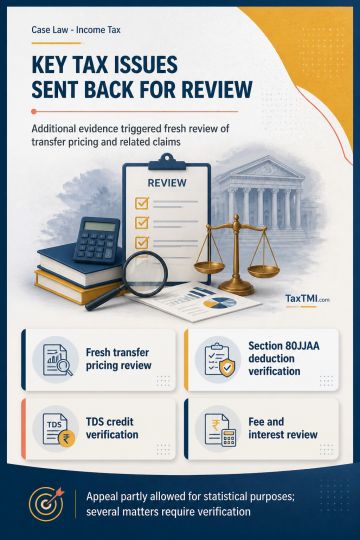
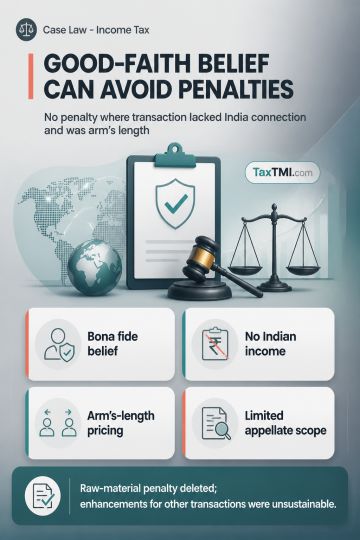
Additional evidence in transfer pricing dispute leads to fresh examination, while tax deductions, TDS credit, fee and refund interest require verifica...
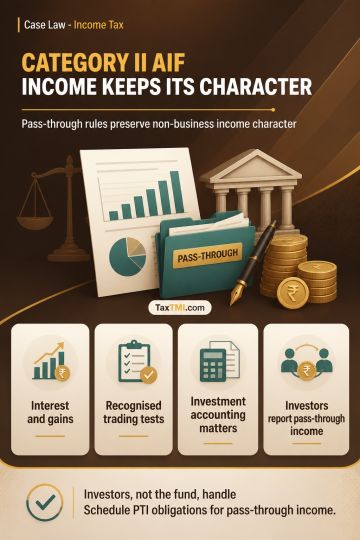
Category II AIF pass-through taxation preserves non-business income character; investment receipts cannot be reclassified without applying recognised ...
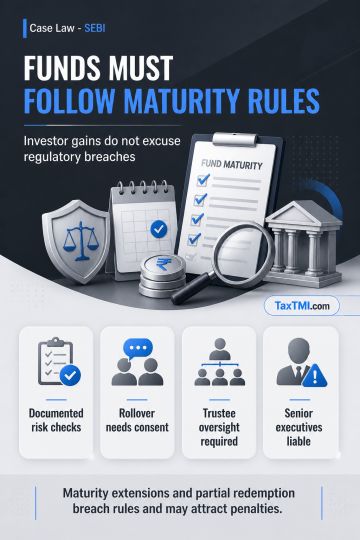
Mutual fund maturity rules require proper rollover, redemption, disclosure, and due diligence; investor gains cannot excuse regulatory breaches or pen...
The case pertains to the validity of input tax credit (ITC) availed on construction goods for a building leased to an educational institution. The Supreme Court held that each case involving malls or buildings must undergo a fact-finding inquiry to determine if it satisfies the functionality test of being a 'plant' u/s 17(5)(d). If the building qualifies as a plant, ITC can be allowed on goods and services used in setting up the immovable property. The petitioner was required to satisfy the adjudicating authority whether the building qualified as a plant to avail ITC but failed to submit necessary documents and instead approached the court. The final order was passed, which the petitioner did not challenge. The court dismissed the petition, allowing the petitioner to file an appeal and rely on the Supreme Court's decision in the Safari Retreats case.
The case pertains to the validity of input tax credit (ITC) availed on construction goods for a building leased to an educational institution. The Supreme Court held that each case involving malls or buildings must undergo a fact-finding inquiry to determine if it satisfies the functionality test of being a 'plant' u/s 17(5)(d). If the building qualifies as a plant, ITC can be allowed on goods and services used in setting up the immovable property. The petitioner was required to satisfy the adjudicating authority whether the building qualified as a plant to avail ITC but failed to submit necessary documents and instead approached the court. The final order was passed, which the petitioner did not challenge. The court dismissed the petition, allowing the petitioner to file an appeal and rely on the Supreme Court's decision in the Safari Retreats case.
Note: It is a system-generated summary and is for quick reference only.
 TaxTMI
 of 4807




 Join Channel


 TaxTMI