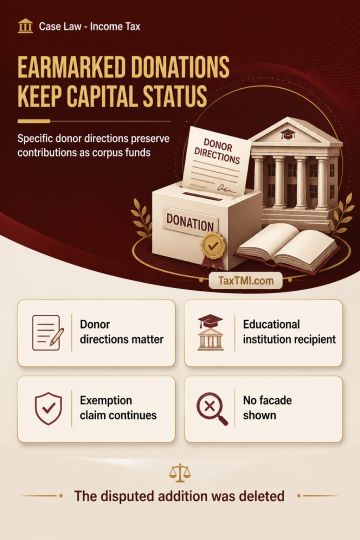
Donor-directed corpus contributions retain capital character despite exemption claims under section 10(23C)(vi), preventing their treatment as taxable...
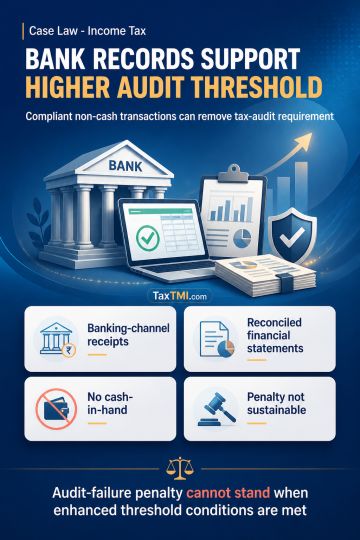
Enhanced tax-audit threshold applies where banking records establish compliant non-cash receipts and payments, eliminating penalty exposure for audit ...
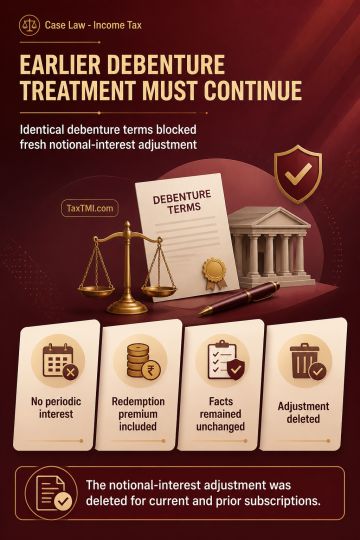
Transfer pricing consistency protects identical non-interest-bearing debenture terms from a later notional-interest adjustment without valid statutory...
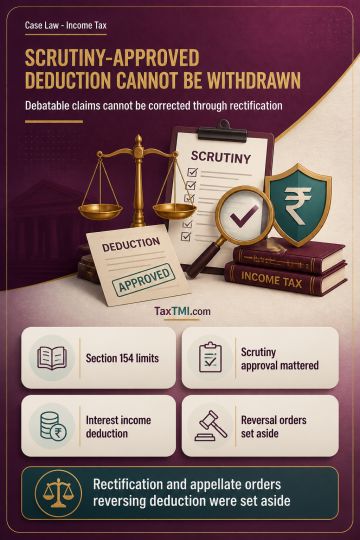
Rectification of debatable deduction claims cannot reverse scrutiny-approved co-operative society interest income deductions as apparent record errors...
The case pertains to the denial of exemption u/s 11 due to excessive payments made on account of salary and rent to persons specified u/s 13(3). The Assessing Officer (AO) had disallowed the payments made to specified persons. However, upon examination, it was found that the rent paid by the assessee was lower than the prevailing market rates in the same area paid by unrelated parties. The AO had relied on an agreement for a different premise in the same locality, leading to an appreciation of wrong facts. Consequently, the Appellate Tribunal (ITAT) held that the impugned payments were not excessive or unreasonable, deciding the case in favor of the assessee.
The case pertains to the denial of exemption u/s 11 due to excessive payments made on account of salary and rent to persons specified u/s 13(3). The Assessing Officer (AO) had disallowed the payments made to specified persons. However, upon examination, it was found that the rent paid by the assessee was lower than the prevailing market rates in the same area paid by unrelated parties. The AO had relied on an agreement for a different premise in the same locality, leading to an appreciation of wrong facts. Consequently, the Appellate Tribunal (ITAT) held that the impugned payments were not excessive or unreasonable, deciding the case in favor of the assessee.
Note: It is a system-generated summary and is for quick reference only.
 TaxTMI
  TaxTMI
 of 4819





 Join Channel


