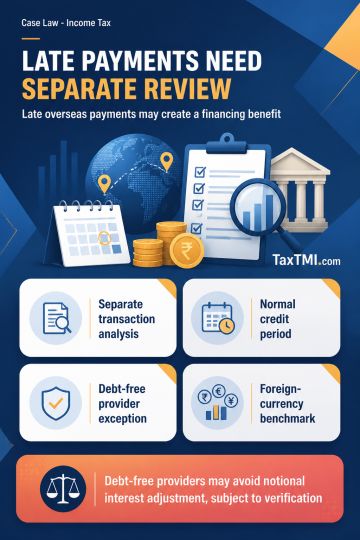
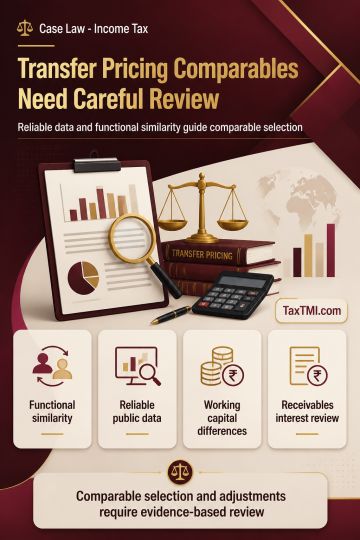
Transfer pricing comparability requires functional alignment, reliable financial data, and careful review of working capital and receivables adjustmen...
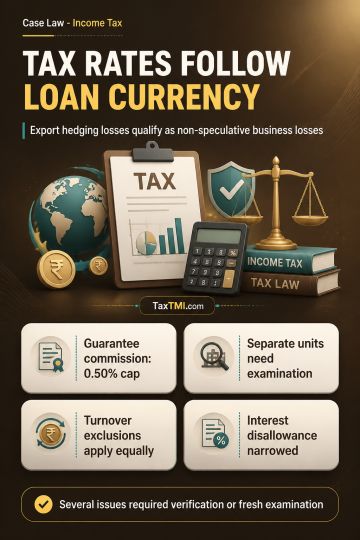
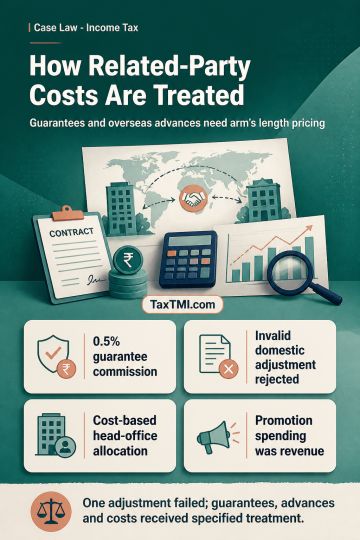
Transfer pricing rules require benchmarking corporate guarantees and associated-enterprise advances, while invalid domestic-transaction adjustments ca...
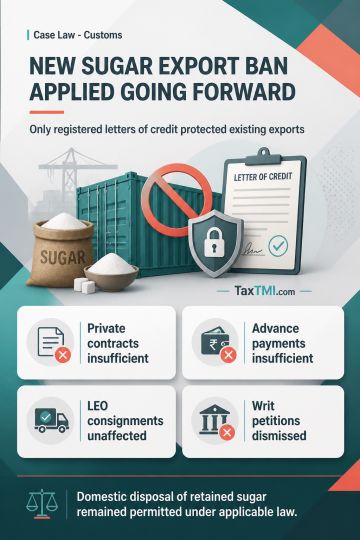
Prospective sugar export prohibition required registered letters of credit; private contracts and export quotas created no enforceable continuation ri...
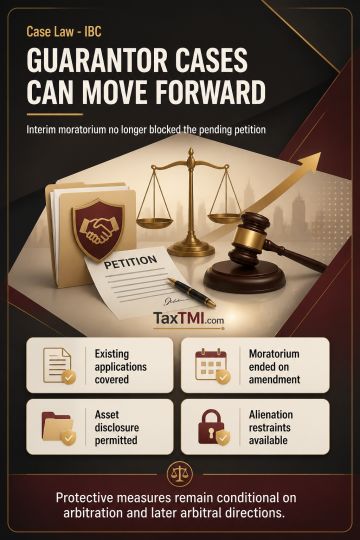
Retroactive interim-moratorium exclusion permits protective asset disclosure and preservation measures against personal guarantors pending arbitration...
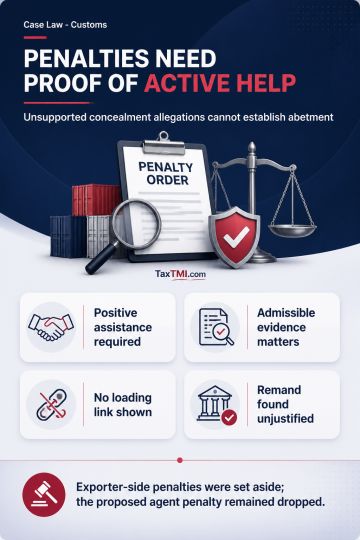
The High Court dismissed the appeals, holding that the Customs, Excise and Service Tax Appellate Tribunal (CESTAT) correctly set aside the order imposing penalties u/ss 114 and 114AA of the Customs Act, 1962. The Department failed to follow the procedure u/s 138B of the Act by denying the exporter's request to cross-examine the Chemical Examiner whose report formed the basis of the allegations. The CESTAT rightly found that the statements relied upon could not be used as relevant evidence without affording the exporter an opportunity for cross-examination, as mandated by Section 138B, unless exceptional circumstances existed, which were not present in this case. The High Court upheld the CESTAT's decision, as no substantial question of law arose.
The High Court dismissed the appeals, holding that the Customs, Excise and Service Tax Appellate Tribunal (CESTAT) correctly set aside the order imposing penalties u/ss 114 and 114AA of the Customs Act, 1962. The Department failed to follow the procedure u/s 138B of the Act by denying the exporter's request to cross-examine the Chemical Examiner whose report formed the basis of the allegations. The CESTAT rightly found that the statements relied upon could not be used as relevant evidence without affording the exporter an opportunity for cross-examination, as mandated by Section 138B, unless exceptional circumstances existed, which were not present in this case. The High Court upheld the CESTAT's decision, as no substantial question of law arose.
Note: It is a system-generated summary and is for quick reference only.
 TaxTMI
  TaxTMI
 of 4828






 Join Channel