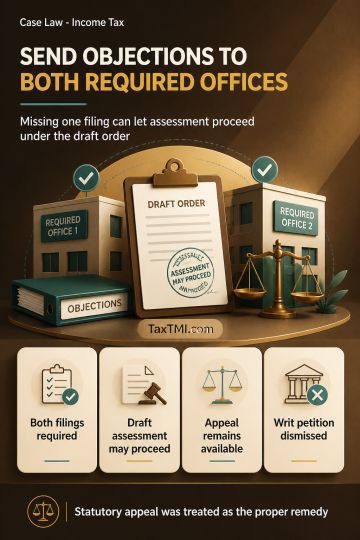
Dispute Resolution Panel objections must reach both prescribed forums; otherwise assessment may proceed and statutory appeal remains the proper remedy...
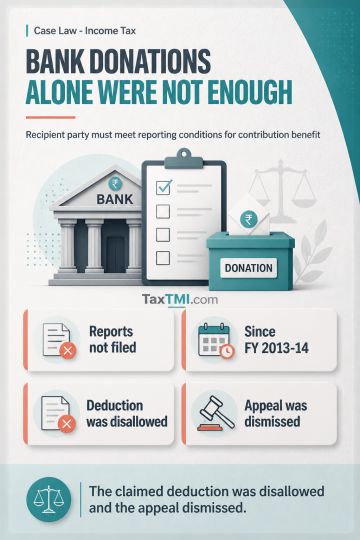
Political contribution deductions require recipient party compliance with contribution-reporting conditions; banking-channel donations alone do not qu...
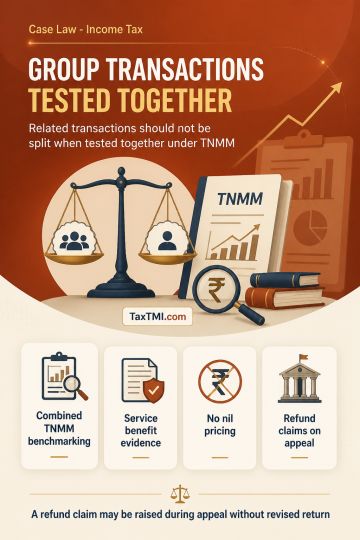
Aggregation under TNMM prevents selective testing of intra-group services without comparable uncontrolled transactions, while appellate additional cla...
Protective assessment cannot duplicate identical receipts under competing characterisations; remote services did not establish a taxable permanent est...
Current account treatment of overseas tournament services removed most FEMA findings, but excess EEFC remittance and delayed repatriation remained bre...
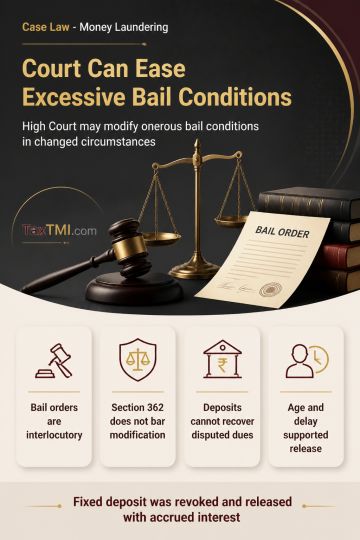
Modification of bail conditions remains available through inherent jurisdiction where onerous deposits undermine justice and cannot recover disputed d...
The appellate authority erred in deciding the appeal ex-parte in the absence of the appellant or their counsel. The statutory mandate requires the appellate authority to hear the appellant, conduct further inquiry if necessary, and pass a reasoned order confirming, modifying, or annulling the decision appealed against. Deciding the case ex-parte without giving a reasonable opportunity violates the principles of natural justice and audi alteram partem. The appellate authority should have dismissed the appeal in default instead of deciding it on merits. The impugned ex-parte order is illegal and arbitrary, necessitating remitting the matter back to the appellate authority to decide afresh after affording an opportunity of hearing to the parties within three months.
The appellate authority erred in deciding the appeal ex-parte in the absence of the appellant or their counsel. The statutory mandate requires the appellate authority to hear the appellant, conduct further inquiry if necessary, and pass a reasoned order confirming, modifying, or annulling the decision appealed against. Deciding the case ex-parte without giving a reasonable opportunity violates the principles of natural justice and audi alteram partem. The appellate authority should have dismissed the appeal in default instead of deciding it on merits. The impugned ex-parte order is illegal and arbitrary, necessitating remitting the matter back to the appellate authority to decide afresh after affording an opportunity of hearing to the parties within three months.
Note: It is a system-generated summary and is for quick reference only.
 TaxTMI
 of 4805












 Join Channel


 TaxTMI
