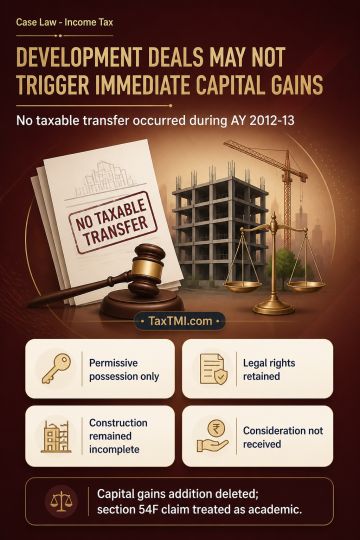
Development agreements require legal possession or effective enjoyment for capital gains transfer; permissive possession and deferred consideration de...
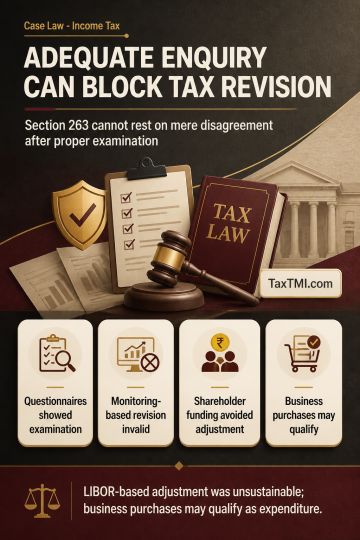
Prolonged sterilisation of development rights supports capital-gains treatment, while business-income disallowances cannot govern capital-gains comput...
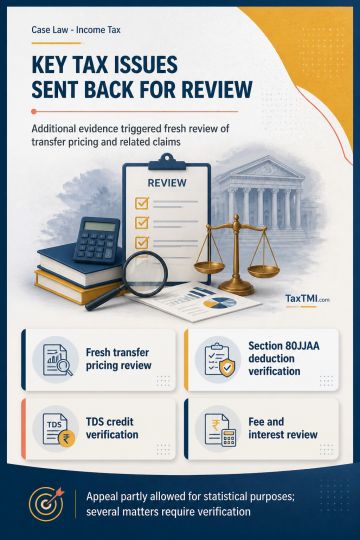
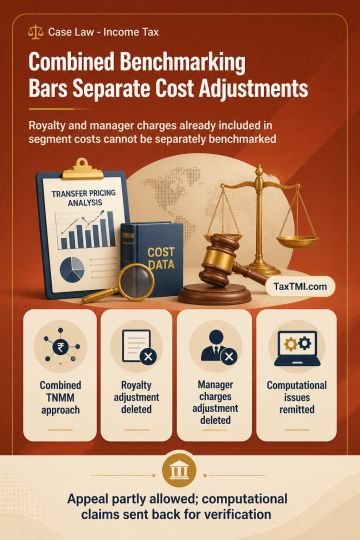
Additional evidence in transfer pricing dispute leads to fresh examination, while tax deductions, TDS credit, fee and refund interest require verifica...
Category II AIF pass-through taxation preserves non-business income character; investment receipts cannot be reclassified without applying recognised ...
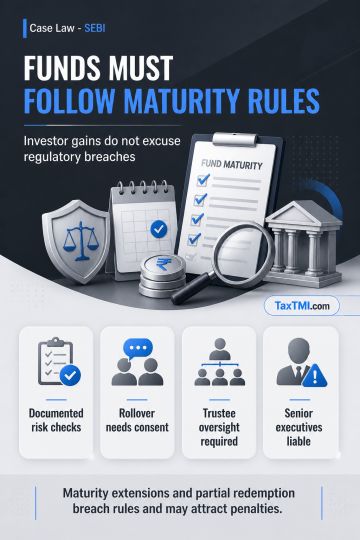
Mutual fund maturity rules require proper rollover, redemption, disclosure, and due diligence; investor gains cannot excuse regulatory breaches or pen...
The Income Tax Appellate Tribunal considered whether an assessee can claim deduction under Chapter VI-A of the Income Tax Act, 1961 for the first time in the return filed in response to a notice issued u/s 153A pursuant to a search u/s 132. Relying on the Supreme Court's decision in Abhisar Buildwell (P.) Ltd., the Tribunal held that in unabated or concluded assessments, the assessee cannot make any fresh claim of deduction in the return filed u/s 153A, as the Assessing Officer cannot make additions without incriminating material found during the search. For abated assessments, the assessee can claim all deductions by filing the return within the timeline prescribed u/s 153A, failing which deductions cannot be claimed u/s 80A. Claiming deduction u/s 80IA(4) requires filing the return before the due date u/s 139(1) and furnishing the audit report u/s 44AB, as per Section 80IA(7). The Tribunal relied on Supreme Court decisions in Dilip Kumar and Company and PCIT vs. Wipro Ltd. to interpret deduction provisions strictly in favor of revenue. Therefore, the Tribunal concluded that the assessee cannot claim fresh deductions under Chapter VI-A for the first time in the return filed u/s 153A for.
The Income Tax Appellate Tribunal considered whether an assessee can claim deduction under Chapter VI-A of the Income Tax Act, 1961 for the first time in the return filed in response to a notice issued u/s 153A pursuant to a search u/s 132. Relying on the Supreme Court's decision in Abhisar Buildwell (P.) Ltd., the Tribunal held that in unabated or concluded assessments, the assessee cannot make any fresh claim of deduction in the return filed u/s 153A, as the Assessing Officer cannot make additions without incriminating material found during the search. For abated assessments, the assessee can claim all deductions by filing the return within the timeline prescribed u/s 153A, failing which deductions cannot be claimed u/s 80A. Claiming deduction u/s 80IA(4) requires filing the return before the due date u/s 139(1) and furnishing the audit report u/s 44AB, as per Section 80IA(7). The Tribunal relied on Supreme Court decisions in Dilip Kumar and Company and PCIT vs. Wipro Ltd. to interpret deduction provisions strictly in favor of revenue. Therefore, the Tribunal concluded that the assessee cannot claim fresh deductions under Chapter VI-A for the first time in the return filed u/s 153A for.
Note: It is a system-generated summary and is for quick reference only.
 TaxTMI
 of 4807







 Join Channel


 TaxTMI