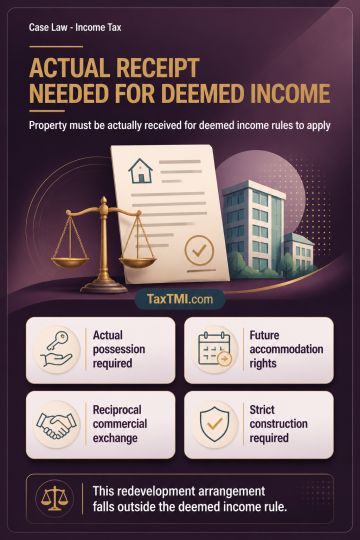
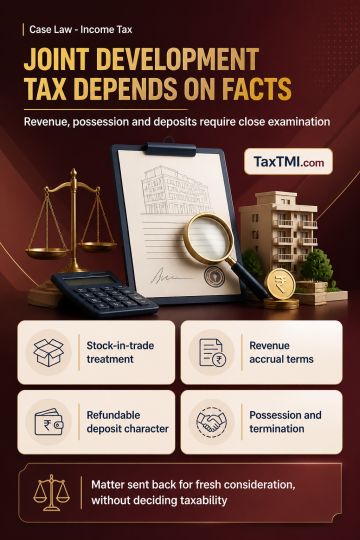
Receipt of immovable property requires actual possession or enjoyment; redevelopment allotments exchanged for tenancy rights fall outside deemed incom...
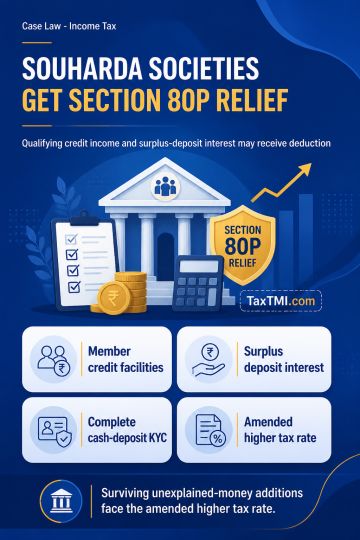
Section 80P deduction covers Souharda credit societies, including qualifying surplus-deposit interest, subject to member KYC verification for cash dep...
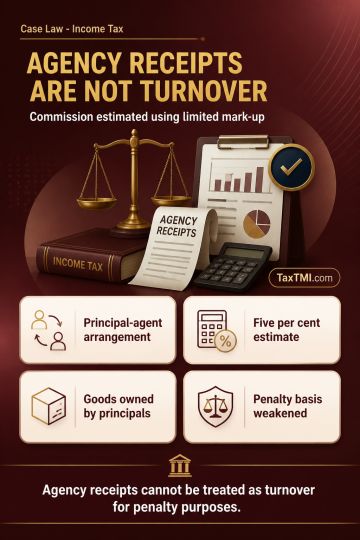
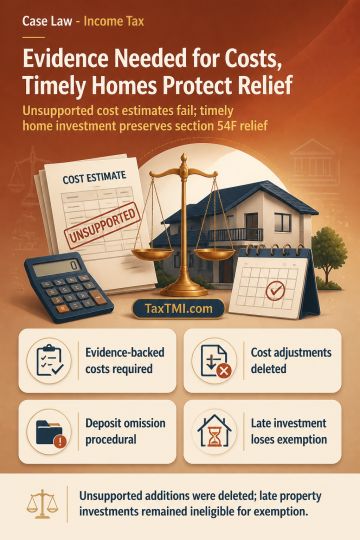
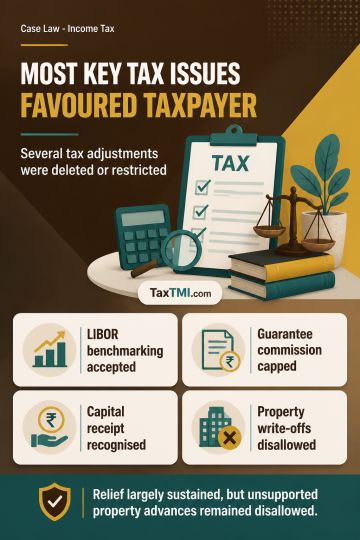
Transfer-pricing benchmarking and capital-receipt principles sustained taxpayer relief, while unsupported property-advance write-offs remained disallo...
The case pertains to the recovery of customs duty in the form of IGST forgone during imports under the advance authorization scheme from October 2017 to November 2018. The appellant had fulfilled the pre-import condition in most cases, and in some cases, the bill of entry was re-assessed, and the appellant paid the IGST, which they did not contest as they were eligible for ITC under GST. The demand for IGST, along with interest, fine, and penalties, is deemed unsustainable as there was no mala fide on the appellant's part, and the penalty corresponding to the duty paid, which is not in contest, is also not sustainable on the ground of revenue neutrality. The issue involved the interpretation of the exemption notification on advance authorization, and the suppression of facts cannot be attributed to the appellant. Therefore, the extended period for demand is prima facie not invokable, and the appellant has made out a strong prima facie case on the time bar. The impugned order is unsustainable, and the appeal is allowed.
The case pertains to the recovery of customs duty in the form of IGST forgone during imports under the advance authorization scheme from October 2017 to November 2018. The appellant had fulfilled the pre-import condition in most cases, and in some cases, the bill of entry was re-assessed, and the appellant paid the IGST, which they did not contest as they were eligible for ITC under GST. The demand for IGST, along with interest, fine, and penalties, is deemed unsustainable as there was no mala fide on the appellant's part, and the penalty corresponding to the duty paid, which is not in contest, is also not sustainable on the ground of revenue neutrality. The issue involved the interpretation of the exemption notification on advance authorization, and the suppression of facts cannot be attributed to the appellant. Therefore, the extended period for demand is prima facie not invokable, and the appellant has made out a strong prima facie case on the time bar. The impugned order is unsustainable, and the appeal is allowed.
Note: It is a system-generated summary and is for quick reference only.
 TaxTMI
 of 4805










 Join Channel


 TaxTMI
