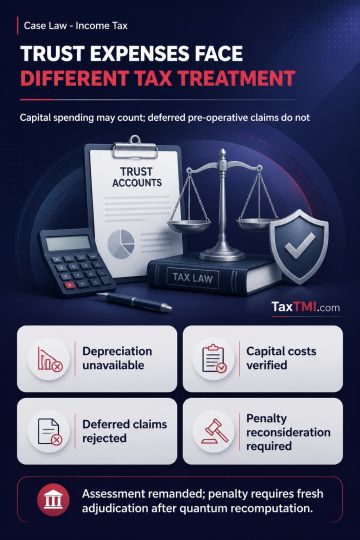
Charitable trust income application permits verified capital expenditure but rejects deferred pre-operative claims and requires reconsideration of con...
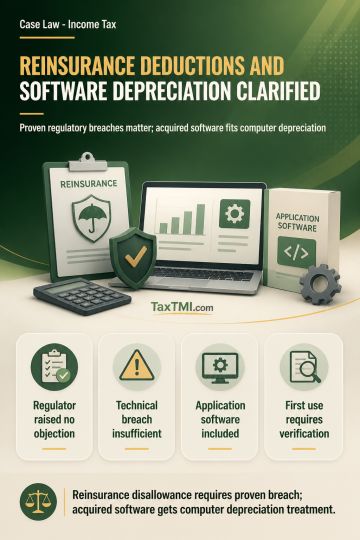
Reinsurance premium deductions require established regulatory breaches, while independently acquired software qualifies within the computer depreciati...
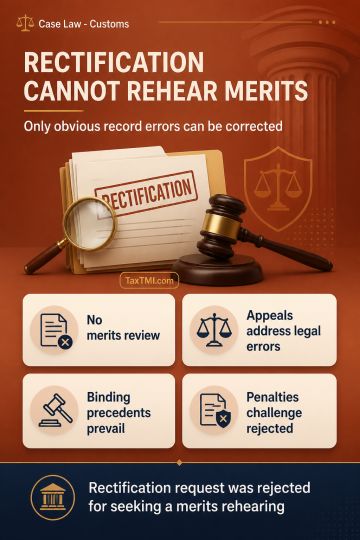
Rectification of mistake remains limited to self-evident record errors, preventing merits review through miscellaneous applications and preserving fin...
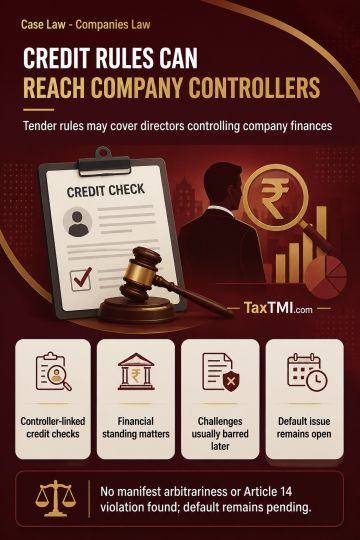
Tender creditworthiness conditions may extend to de facto Promoter Directors, with post-participation challenges generally barred absent arbitrariness...
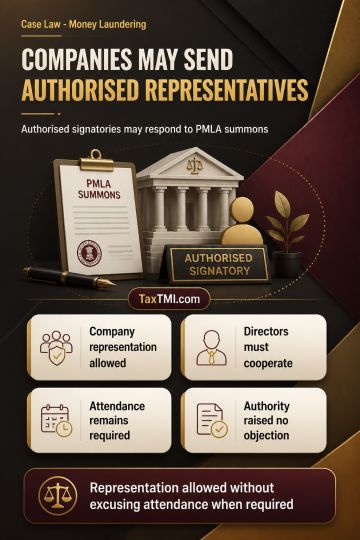
Corporate representation in PMLA summons proceedings permitted through an authorised signatory, subject to directors' continuing cooperation and atten...
The case revolves around determining whether an employee qualifies as a "workman" u/s 2(s) of the Industrial Disputes Act, 1947, which would entitle them to certain protections and benefits. The key points are: The Industrial Disputes Act aims to settle industrial disputes and ensure social justice for employers and employees. Section 2(s) defines a "workman" based on the nature of work performed, excluding supervisory or managerial roles above a certain wage threshold. The employee claimed not to be in an executive cadre, while the management asserted the employee supervised junior engineers. The determinative factor is the principal duties performed, not just the designation. Lacking concrete evidence of the employee's actual duties, the court relied on the employment orders designating the employee as an engineer on the administrative side, thus excluding them from the "workman" definition u/s 2(s). Consequently, the High Court's finding that the employee was a "workman" was set aside. Since the employee did not qualify as a "workman," the provisions of the Industrial Disputes Act, including reinstatement and compensation for back wages, did not apply. The Supreme Court upheld the High Court's decision to set aside the Labour Court's award of reinstatement and compensation, as there was no violation of procedure by the management in terminating the employee's services.
The case revolves around determining whether an employee qualifies as a "workman" u/s 2(s) of the Industrial Disputes Act, 1947, which would entitle them to certain protections and benefits. The key points are: The Industrial Disputes Act aims to settle industrial disputes and ensure social justice for employers and employees. Section 2(s) defines a "workman" based on the nature of work performed, excluding supervisory or managerial roles above a certain wage threshold. The employee claimed not to be in an executive cadre, while the management asserted the employee supervised junior engineers. The determinative factor is the principal duties performed, not just the designation. Lacking concrete evidence of the employee's actual duties, the court relied on the employment orders designating the employee as an engineer on the administrative side, thus excluding them from the "workman" definition u/s 2(s). Consequently, the High Court's finding that the employee was a "workman" was set aside. Since the employee did not qualify as a "workman," the provisions of the Industrial Disputes Act, including reinstatement and compensation for back wages, did not apply. The Supreme Court upheld the High Court's decision to set aside the Labour Court's award of reinstatement and compensation, as there was no violation of procedure by the management in terminating the employee's services.
Note: It is a system-generated summary and is for quick reference only.
 TaxTMI
 of 4805






 Join Channel


 TaxTMI
