Arrest safeguards and transit remand requirements invalidated detention following inter-State transfer without communicated grounds or magistrate auth...
Arrest safeguards require disclosed grounds, relative intimation and transit remand, while duplicate prosecution under the CGST framework is unsustain...
Document Identification Number defects can invalidate GST assessments, with delayed challenges entertained conditionally where patent irregularities e...
Windmill commissioning evidence supported higher depreciation where grid connection and electricity generation proved operational use before the relev...
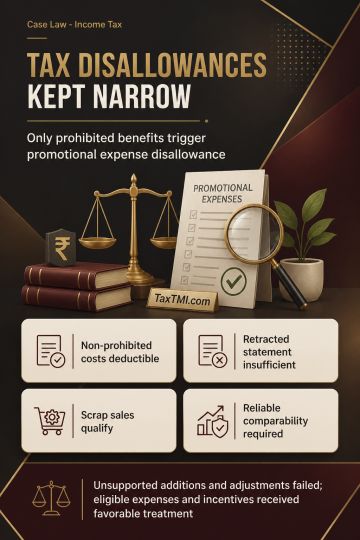
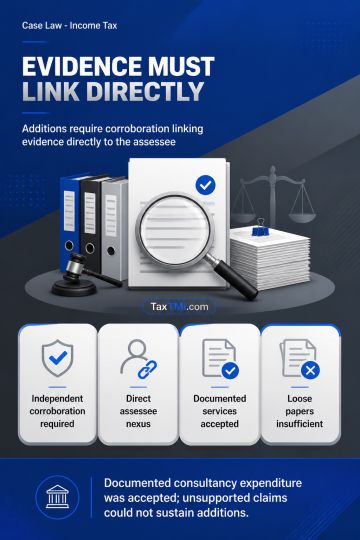
Pharmaceutical promotion and transfer-pricing comparability principles limited disallowances, while uncorroborated search allegations and unsupported ...
Business expenditure substantiation supports scrap credits, statutory payments and expense claims, while depreciation requires proof of actual busines...
The adjudicating authority's superficial view on classifying the impugned goods under the SCOMET regime of the Foreign Trade Policy (FTP) is incorrect. The FTP is designed by the DGFT under the Foreign Trade Act, with customs playing an enforcement role. In technical matters like SCOMET, customs should obtain the licensing authority's opinion before applying restrictions indiscriminately. The assumption that restrictions can be broadbanded in a restrictive regime reflects an incorrect perspective on licensing rules. The authority failed to discharge its responsibility of factual ascertainment for adjudication and imposing penalties, disregarding the defense. The order is set aside, and the matter remanded to the original authority to seek the licensing authority's opinion on SCOMET applicability, consider any defense, and dispose of the show cause notice accordingly. The appeals are allowed by remand.
The adjudicating authority's superficial view on classifying the impugned goods under the SCOMET regime of the Foreign Trade Policy (FTP) is incorrect. The FTP is designed by the DGFT under the Foreign Trade Act, with customs playing an enforcement role. In technical matters like SCOMET, customs should obtain the licensing authority's opinion before applying restrictions indiscriminately. The assumption that restrictions can be broadbanded in a restrictive regime reflects an incorrect perspective on licensing rules. The authority failed to discharge its responsibility of factual ascertainment for adjudication and imposing penalties, disregarding the defense. The order is set aside, and the matter remanded to the original authority to seek the licensing authority's opinion on SCOMET applicability, consider any defense, and dispose of the show cause notice accordingly. The appeals are allowed by remand.
Note: It is a system-generated summary and is for quick reference only.
 TaxTMI
 of 4792













 Join Channel


 TaxTMI