Cooperative society deposits, member-interest TDS exemption and credit-facility deduction claims require verification through records and supporting e...
Customs jurisdiction over EPCG condition breaches survives export-obligation discharge certificates, requiring alleged fraud and misdeclaration to be ...
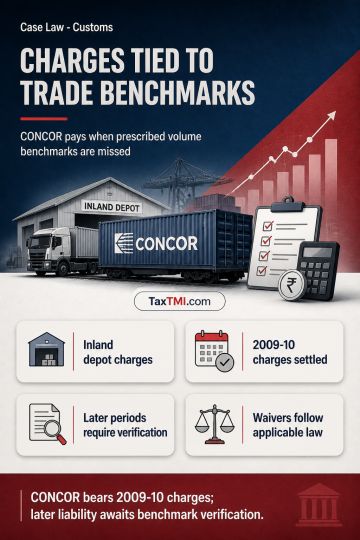
Contractual tolerance requires consideration; breach recoveries, qualifying public infrastructure services and road works escape service tax liability...
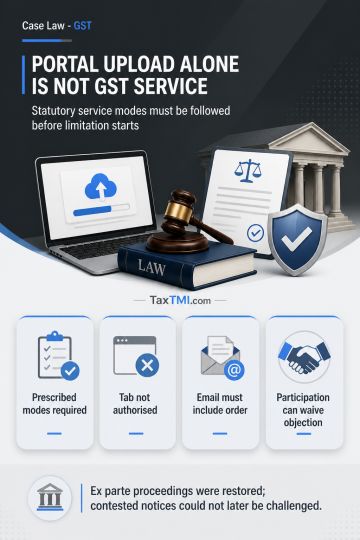
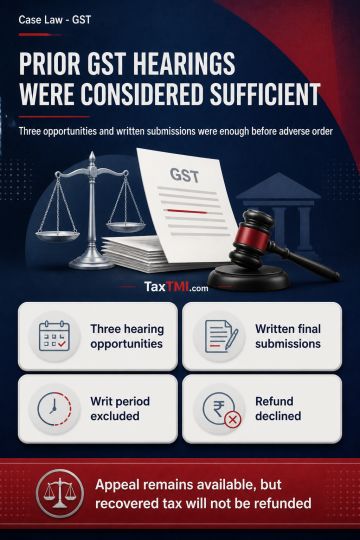
Personal hearing requirements in GST adjudication were satisfied by prior opportunities and written submissions; appellate limitation received writ-pe...
The High Court held that the reopening notice issued u/s 148 against a non-existent entity, i.e., the amalgamating company that had ceased to exist due to an approved scheme of amalgamation, was invalid and illegal. Despite being informed about the amalgamation, the Assessing Officer issued the jurisdictional notice solely in the name of the amalgamating company, which was fundamentally at odds with the legal principle that the amalgamating entity ceases to exist upon the approved scheme of amalgamation. The appellant's participation in the proceedings cannot operate as an estoppel against law. The Assessing Officer lacked legal basis and jurisdiction to issue the impugned notice u/s 148A(b), pass an order thereon, and further issue the impugned notice u/s 148 to a non-existing entity. Such notices were illegal, invalid, and non-est from the outset. The decision was in favor of the assessee.
The High Court held that the reopening notice issued u/s 148 against a non-existent entity, i.e., the amalgamating company that had ceased to exist due to an approved scheme of amalgamation, was invalid and illegal. Despite being informed about the amalgamation, the Assessing Officer issued the jurisdictional notice solely in the name of the amalgamating company, which was fundamentally at odds with the legal principle that the amalgamating entity ceases to exist upon the approved scheme of amalgamation. The appellant's participation in the proceedings cannot operate as an estoppel against law. The Assessing Officer lacked legal basis and jurisdiction to issue the impugned notice u/s 148A(b), pass an order thereon, and further issue the impugned notice u/s 148 to a non-existing entity. Such notices were illegal, invalid, and non-est from the outset. The decision was in favor of the assessee.
Note: It is a system-generated summary and is for quick reference only.
 TaxTMI
 of 4792













 Join Channel


 TaxTMI