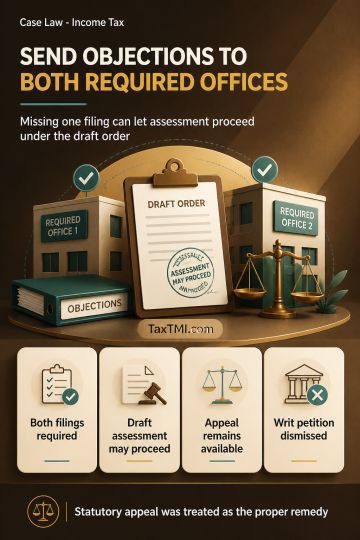
Dispute Resolution Panel objections must reach both prescribed forums; otherwise assessment may proceed and statutory appeal remains the proper remedy...
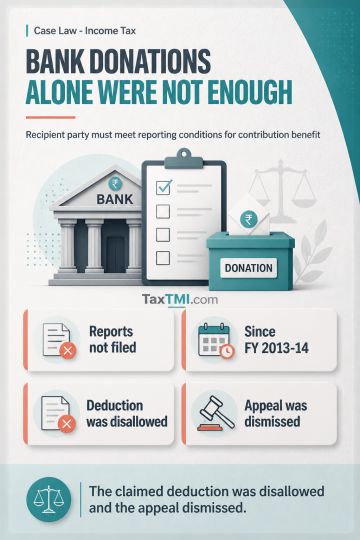
Political contribution deductions require recipient party compliance with contribution-reporting conditions; banking-channel donations alone do not qu...
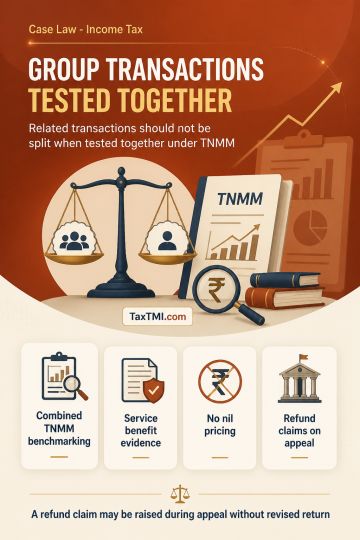
Aggregation under TNMM prevents selective testing of intra-group services without comparable uncontrolled transactions, while appellate additional cla...
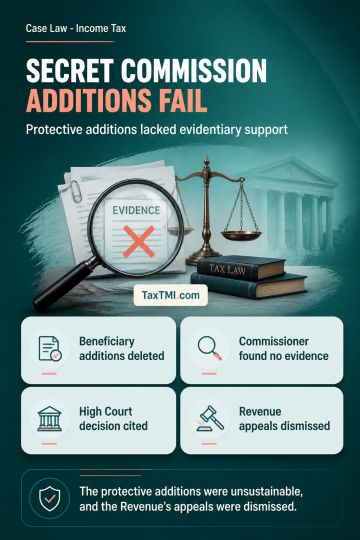
Protective assessment cannot duplicate identical receipts under competing characterisations; remote services did not establish a taxable permanent est...
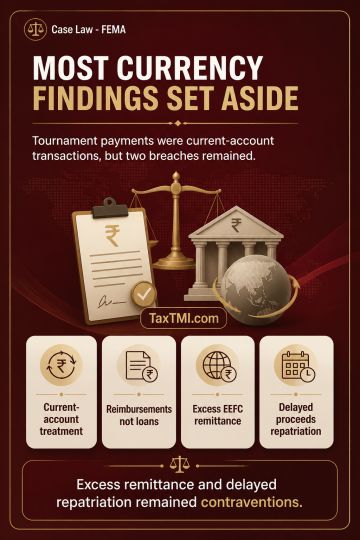
Current account treatment of overseas tournament services removed most FEMA findings, but excess EEFC remittance and delayed repatriation remained bre...
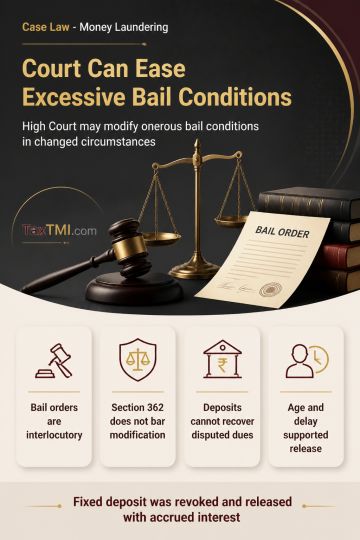
Modification of bail conditions remains available through inherent jurisdiction where onerous deposits undermine justice and cannot recover disputed d...
Unexplained cash credits u/s 68 and the applicability of Section 115BBE for taxing such additions. The key points are: The Assessing Officer (AO) issued notices u/s 133(6) to verify the cash advances received from customers, with 69% of the notices duly served. While some parties confirmed the advances, the AO relied on a few negative replies to reject the entire amount as unexplained money. The Tribunal held that the assessee had provided all relevant details, supported by audited books of accounts, invoices for purchases and sales. The sales were accepted, and the source of funds for those sales cannot be treated as unexplained u/s 68 when the details were furnished. Applying the principle of preponderance of probabilities, the Tribunal ruled that once the assessee supports the contention with evidence, the department cannot unreasonably reject the explanation without contrary evidence. The fact that notices were issued and parties confirmed the advances is prima facie evidence supporting the assessee's claim. Therefore, the cash advances received from customers before the stock receipts, where identity and sales were not disputed, cannot be added as unexplained money when all details were provided. The Tribunal decided in favor of the assessee.
Unexplained cash credits u/s 68 and the applicability of Section 115BBE for taxing such additions. The key points are: The Assessing Officer (AO) issued notices u/s 133(6) to verify the cash advances received from customers, with 69% of the notices duly served. While some parties confirmed the advances, the AO relied on a few negative replies to reject the entire amount as unexplained money. The Tribunal held that the assessee had provided all relevant details, supported by audited books of accounts, invoices for purchases and sales. The sales were accepted, and the source of funds for those sales cannot be treated as unexplained u/s 68 when the details were furnished. Applying the principle of preponderance of probabilities, the Tribunal ruled that once the assessee supports the contention with evidence, the department cannot unreasonably reject the explanation without contrary evidence. The fact that notices were issued and parties confirmed the advances is prima facie evidence supporting the assessee's claim. Therefore, the cash advances received from customers before the stock receipts, where identity and sales were not disputed, cannot be added as unexplained money when all details were provided. The Tribunal decided in favor of the assessee.
Note: It is a system-generated summary and is for quick reference only.
 TaxTMI
 of 4805










 Join Channel


 TaxTMI
