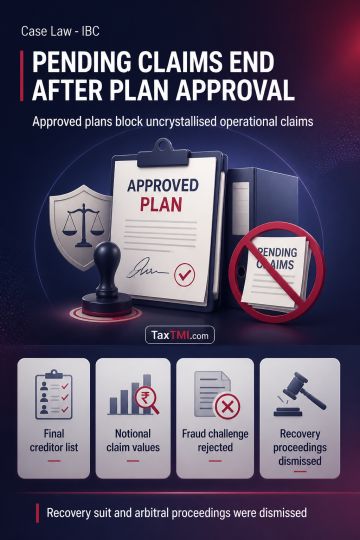
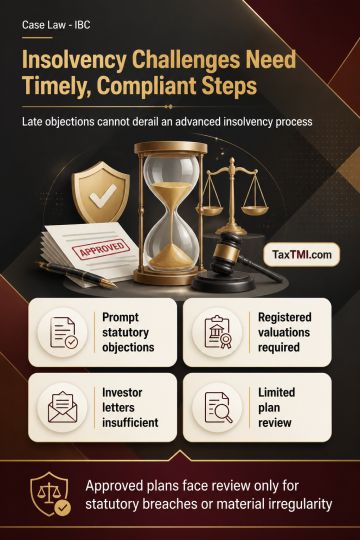
Clean slate principle extinguishes uncrystallised operational claims and bars continuation of pending recovery and arbitral proceedings after plan app...
Works contract classification governs composite layout-development contracts where VAT-paid goods are transferred alongside construction and infrastru...
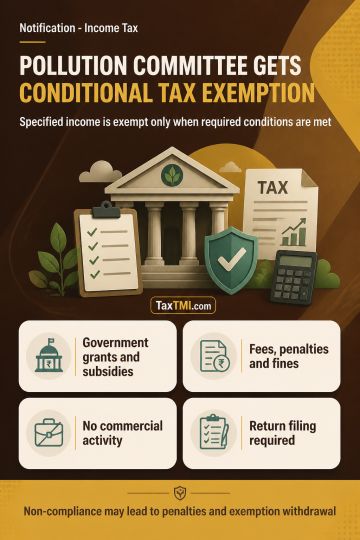
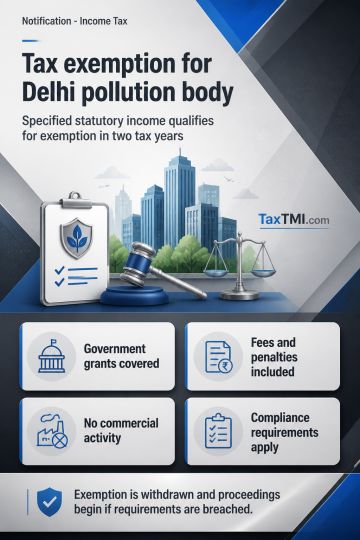
Specified income tax exemption for pollution control body remains conditional on non-commercial activity, unchanged income character, and return filin...
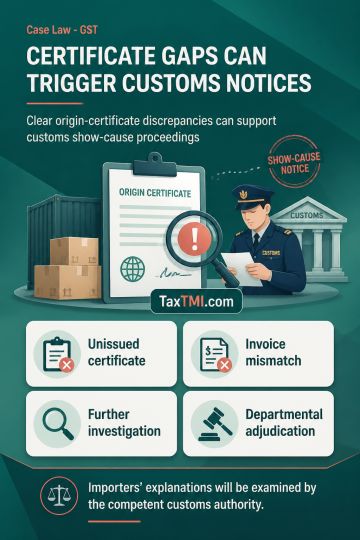
Jurisdictional facts in certificate-of-origin discrepancies can support customs show-cause proceedings, leaving factual explanations for departmental ...
A case concerning the suspension of a warehousing operation, alleged breach of conditions for operating a public bonded warehouse, and imposition of redemption fine and penalty. The High Court upheld the CESTAT's findings that there was no breach of license conditions, based on the record and permissions granted by Customs authorities for unloading/storing goods under their supervision. The allegations of misinterpreting permissions were found baseless. The CESTAT correctly overlooked procedural issues not raised earlier regarding advance discharge permission and mandatory filing of Bills of Entry before vessel arrival. With no breach of license terms or confiscation of goods, the CESTAT rightly set aside penalties u/ss 117 and 112(b)(ii) of the Customs Act for alleged violations like non-reporting of time-expired bonds, storage of non-bonded goods, and lack of audit trail facilities. No substantial question of law arose, and the Appeal was dismissed.
A case concerning the suspension of a warehousing operation, alleged breach of conditions for operating a public bonded warehouse, and imposition of redemption fine and penalty. The High Court upheld the CESTAT's findings that there was no breach of license conditions, based on the record and permissions granted by Customs authorities for unloading/storing goods under their supervision. The allegations of misinterpreting permissions were found baseless. The CESTAT correctly overlooked procedural issues not raised earlier regarding advance discharge permission and mandatory filing of Bills of Entry before vessel arrival. With no breach of license terms or confiscation of goods, the CESTAT rightly set aside penalties u/ss 117 and 112(b)(ii) of the Customs Act for alleged violations like non-reporting of time-expired bonds, storage of non-bonded goods, and lack of audit trail facilities. No substantial question of law arose, and the Appeal was dismissed.
Note: It is a system-generated summary and is for quick reference only.
 TaxTMI
 of 4794







 Join Channel


 TaxTMI