Section 80P deduction covers Souharda credit societies, including qualifying surplus-deposit interest, subject to member KYC verification for cash dep...
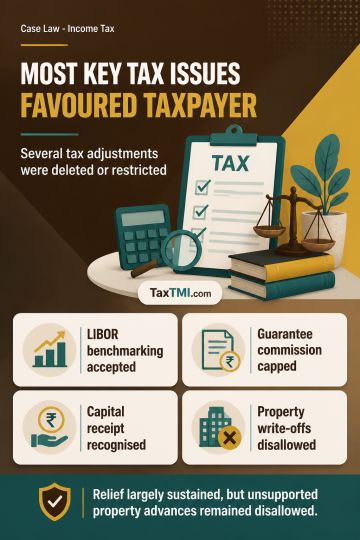
Transfer-pricing benchmarking and capital-receipt principles sustained taxpayer relief, while unsupported property-advance write-offs remained disallo...
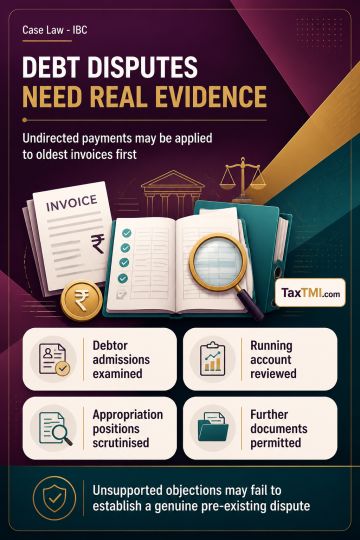
Pre-existing operational debt disputes require genuine evidence, while undirected running-account payments may be appropriated on a first-in-first-out...
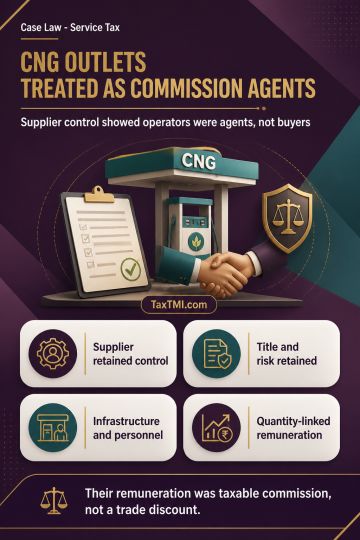
Agency in CNG distribution makes outlet operators commission agents, rendering taxable Business Auxiliary Service rather than purchasing goods for res...
A case concerning the suspension of a warehousing operation, alleged breach of conditions for operating a public bonded warehouse, and imposition of redemption fine and penalty. The High Court upheld the CESTAT's findings that there was no breach of license conditions, based on the record and permissions granted by Customs authorities for unloading/storing goods under their supervision. The allegations of misinterpreting permissions were found baseless. The CESTAT correctly overlooked procedural issues not raised earlier regarding advance discharge permission and mandatory filing of Bills of Entry before vessel arrival. With no breach of license terms or confiscation of goods, the CESTAT rightly set aside penalties u/ss 117 and 112(b)(ii) of the Customs Act for alleged violations like non-reporting of time-expired bonds, storage of non-bonded goods, and lack of audit trail facilities. No substantial question of law arose, and the Appeal was dismissed.
A case concerning the suspension of a warehousing operation, alleged breach of conditions for operating a public bonded warehouse, and imposition of redemption fine and penalty. The High Court upheld the CESTAT's findings that there was no breach of license conditions, based on the record and permissions granted by Customs authorities for unloading/storing goods under their supervision. The allegations of misinterpreting permissions were found baseless. The CESTAT correctly overlooked procedural issues not raised earlier regarding advance discharge permission and mandatory filing of Bills of Entry before vessel arrival. With no breach of license terms or confiscation of goods, the CESTAT rightly set aside penalties u/ss 117 and 112(b)(ii) of the Customs Act for alleged violations like non-reporting of time-expired bonds, storage of non-bonded goods, and lack of audit trail facilities. No substantial question of law arose, and the Appeal was dismissed.
Note: It is a system-generated summary and is for quick reference only.
 TaxTMI
 of 4792






 Join Channel


 TaxTMI
