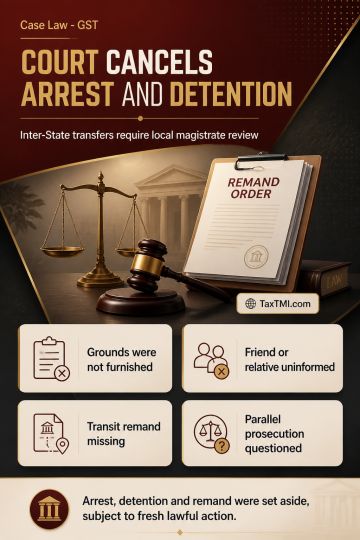
Arrest safeguards and transit remand requirements invalidated detention following inter-State transfer without communicated grounds or magistrate auth...
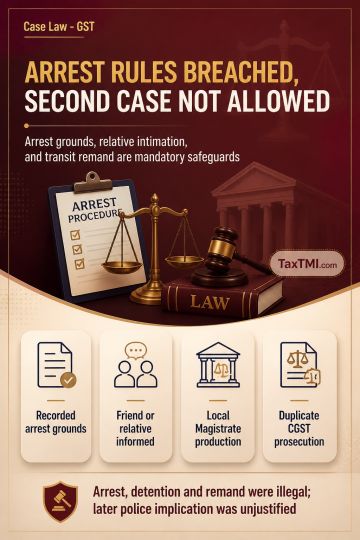
Arrest safeguards require disclosed grounds, relative intimation and transit remand, while duplicate prosecution under the CGST framework is unsustain...
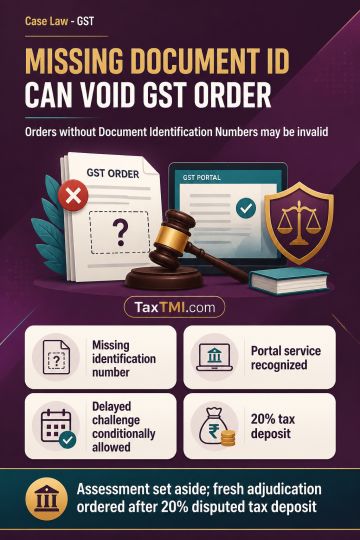
Document Identification Number defects can invalidate GST assessments, with delayed challenges entertained conditionally where patent irregularities e...
Windmill commissioning evidence supported higher depreciation where grid connection and electricity generation proved operational use before the relev...
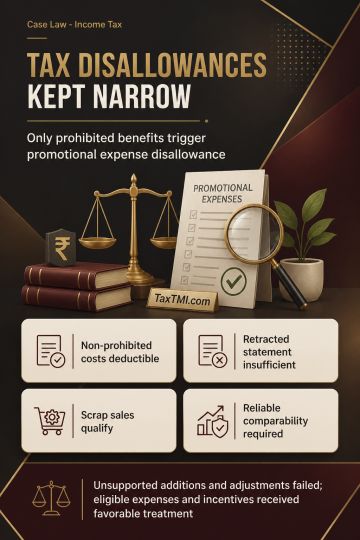
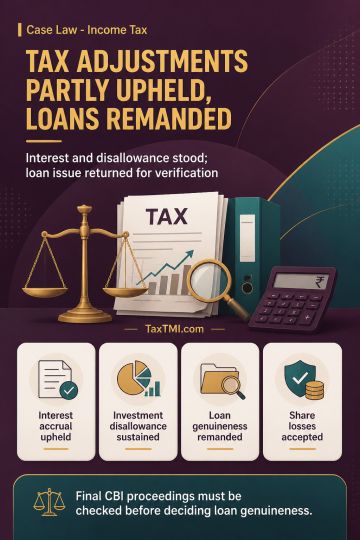
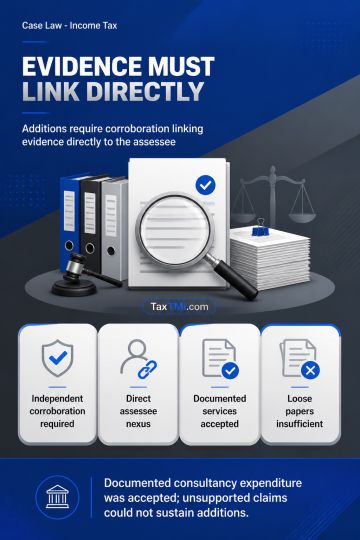
Pharmaceutical promotion and transfer-pricing comparability principles limited disallowances, while uncorroborated search allegations and unsupported ...
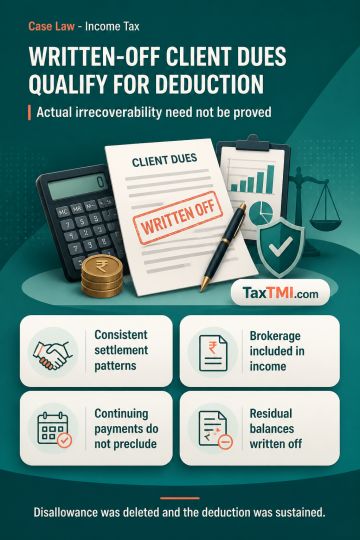
Business expenditure substantiation supports scrap credits, statutory payments and expense claims, while depreciation requires proof of actual busines...
A case concerning the suspension of a warehousing operation, alleged breach of conditions for operating a public bonded warehouse, and imposition of redemption fine and penalty. The High Court upheld the CESTAT's findings that there was no breach of license conditions, based on the record and permissions granted by Customs authorities for unloading/storing goods under their supervision. The allegations of misinterpreting permissions were found baseless. The CESTAT correctly overlooked procedural issues not raised earlier regarding advance discharge permission and mandatory filing of Bills of Entry before vessel arrival. With no breach of license terms or confiscation of goods, the CESTAT rightly set aside penalties u/ss 117 and 112(b)(ii) of the Customs Act for alleged violations like non-reporting of time-expired bonds, storage of non-bonded goods, and lack of audit trail facilities. No substantial question of law arose, and the Appeal was dismissed.
A case concerning the suspension of a warehousing operation, alleged breach of conditions for operating a public bonded warehouse, and imposition of redemption fine and penalty. The High Court upheld the CESTAT's findings that there was no breach of license conditions, based on the record and permissions granted by Customs authorities for unloading/storing goods under their supervision. The allegations of misinterpreting permissions were found baseless. The CESTAT correctly overlooked procedural issues not raised earlier regarding advance discharge permission and mandatory filing of Bills of Entry before vessel arrival. With no breach of license terms or confiscation of goods, the CESTAT rightly set aside penalties u/ss 117 and 112(b)(ii) of the Customs Act for alleged violations like non-reporting of time-expired bonds, storage of non-bonded goods, and lack of audit trail facilities. No substantial question of law arose, and the Appeal was dismissed.
Note: It is a system-generated summary and is for quick reference only.
 TaxTMI
 of 4792








 Join Channel


 TaxTMI