Specified fund definition expands PAN exemption eligibility for registered alternative investment funds and qualifying International Financial Service...
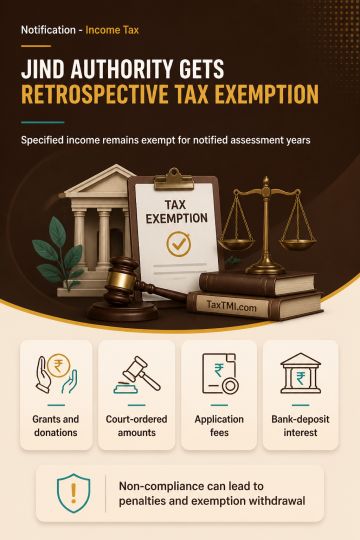
Tax exemption for specified legal-services authority income applies retrospectively, subject to non-commercial activity, unchanged income sources, and...
Approved resolution plans extinguish unsubmitted pre-approval tax claims, preventing later recovery outside the insolvency process and preserving a cl...
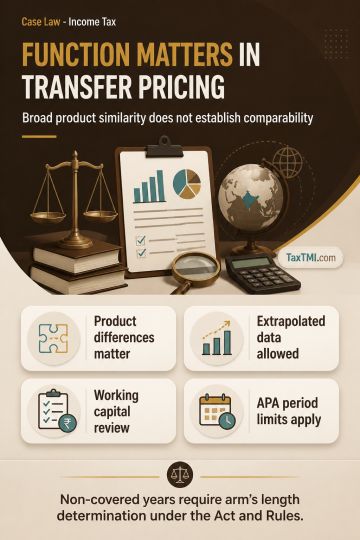
Transfer pricing comparability requires functional alignment and permits working capital adjustment, while APA margins cannot govern non-covered years...
Gross violation of CBEC instructions and the precedential value of CESTAT decisions. The Revenue filed an appeal before the first Appellate Authority without specifying grounds or reasons for departing from the Tribunal's order followed by the Adjudicating Authority. Section 35R(4) is applicable only to the Commissioner (Appeals) and Appellate Tribunal, requiring them to consider circumstances under which an earlier order was accepted and not challenged. This section does not set aside the principle of judicial precedents and the binding nature of higher Appellate Authority orders. Authorities below the Tribunal are bound by its earlier orders. The impugned order set aside the original authority's order solely because the Tribunal's order was accepted due to monetary limits, without stating grounds contrary to the Tribunal's observations. The original authority kept demand notices awaiting the Tribunal's decision and adjudicated accordingly after it set aside the order. The impugned order lacked merits for differing from the available higher Appellate Authority order without specifying grounds, leading to the appeal being allowed.
Gross violation of CBEC instructions and the precedential value of CESTAT decisions. The Revenue filed an appeal before the first Appellate Authority without specifying grounds or reasons for departing from the Tribunal's order followed by the Adjudicating Authority. Section 35R(4) is applicable only to the Commissioner (Appeals) and Appellate Tribunal, requiring them to consider circumstances under which an earlier order was accepted and not challenged. This section does not set aside the principle of judicial precedents and the binding nature of higher Appellate Authority orders. Authorities below the Tribunal are bound by its earlier orders. The impugned order set aside the original authority's order solely because the Tribunal's order was accepted due to monetary limits, without stating grounds contrary to the Tribunal's observations. The original authority kept demand notices awaiting the Tribunal's decision and adjudicated accordingly after it set aside the order. The impugned order lacked merits for differing from the available higher Appellate Authority order without specifying grounds, leading to the appeal being allowed.
Note: It is a system-generated summary and is for quick reference only.
 TaxTMI
 of 4796












 Join Channel


 TaxTMI
