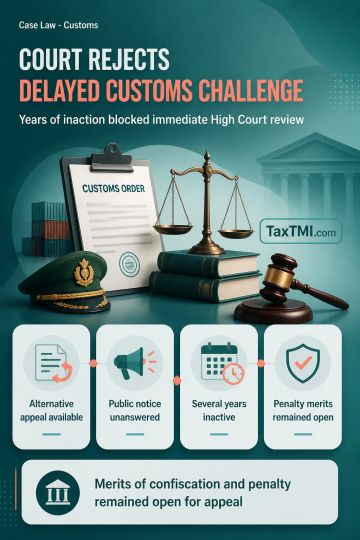
Alternative statutory remedy and unexplained delay barred writ review of customs confiscation adjudication, leaving merits for appellate consideration...
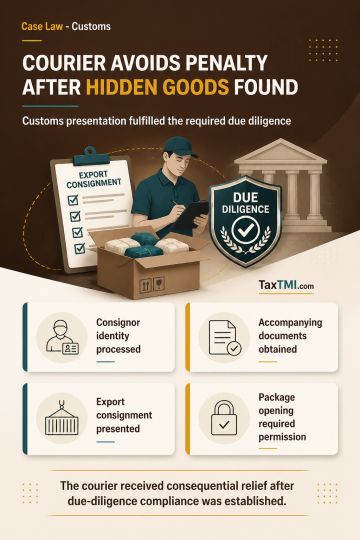
Authorised courier due diligence protects against penalties where declared exports conceal prohibited goods despite proper documentation and customs p...
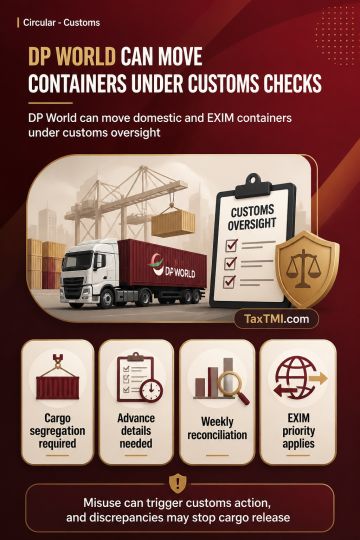
Customs-controlled container movement now extends to DP World facilities, subject to segregation, inspections, reconciliation, and EXIM cargo priority...
In a case concerning dishonor of cheques u/s 138 of the Negotiable Instruments Act, the Court upheld the conviction and sentence. The accused admitted issuing cheques but claimed they were issued as security and misused by the complainant. However, no cogent evidence was led to substantiate this defense. The Court invoked Sections 118 and 139 of the Act, which raise a presumption in favor of the cheque holder that it was issued towards discharge of a lawful liability. This presumption can be rebutted by the accused through evidence or referring to the complainant's documents. The complainant successfully proved sale of goods worth Rs. 80,000 and issuance of two cheques of Rs. 40,000 each by the accused, which were dishonored due to insufficient funds. The Court held that even if cheques were issued as security, they can be presented for encashment if the promised amount is not repaid. All ingredients of Section 138 were met, and the High Court found no reason to interfere with the well-reasoned judgments of the lower courts.
In a case concerning dishonor of cheques u/s 138 of the Negotiable Instruments Act, the Court upheld the conviction and sentence. The accused admitted issuing cheques but claimed they were issued as security and misused by the complainant. However, no cogent evidence was led to substantiate this defense. The Court invoked Sections 118 and 139 of the Act, which raise a presumption in favor of the cheque holder that it was issued towards discharge of a lawful liability. This presumption can be rebutted by the accused through evidence or referring to the complainant's documents. The complainant successfully proved sale of goods worth Rs. 80,000 and issuance of two cheques of Rs. 40,000 each by the accused, which were dishonored due to insufficient funds. The Court held that even if cheques were issued as security, they can be presented for encashment if the promised amount is not repaid. All ingredients of Section 138 were met, and the High Court found no reason to interfere with the well-reasoned judgments of the lower courts.
Note: It is a system-generated summary and is for quick reference only.
 TaxTMI
  TaxTMI
 of 4828




 Join Channel


