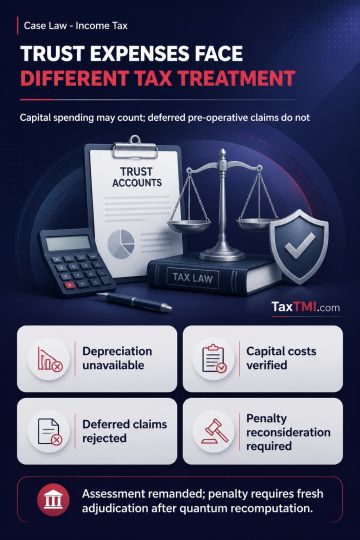
Charitable trust income application permits verified capital expenditure but rejects deferred pre-operative claims and requires reconsideration of con...
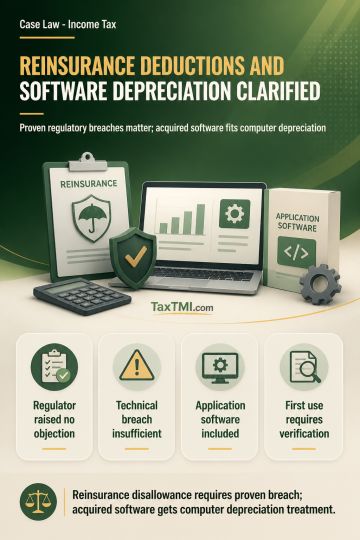
Reinsurance premium deductions require established regulatory breaches, while independently acquired software qualifies within the computer depreciati...
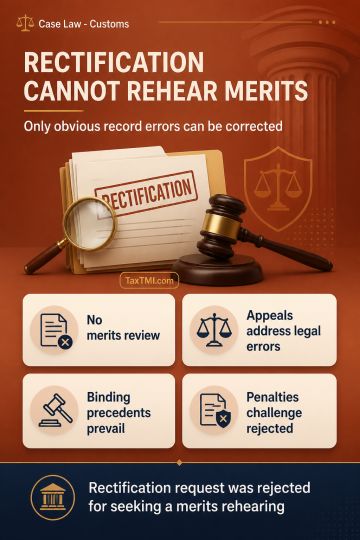
Rectification of mistake remains limited to self-evident record errors, preventing merits review through miscellaneous applications and preserving fin...
Tender creditworthiness conditions may extend to de facto Promoter Directors, with post-participation challenges generally barred absent arbitrariness...
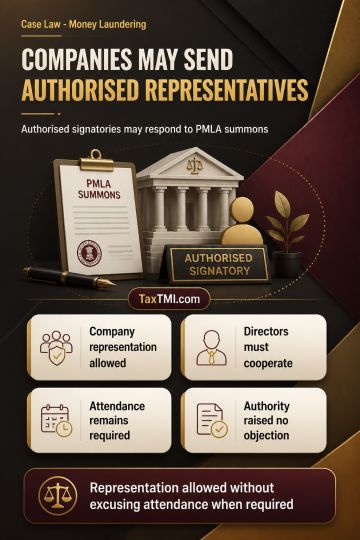
Corporate representation in PMLA summons proceedings permitted through an authorised signatory, subject to directors' continuing cooperation and atten...
The Appellate Tribunal upheld the Commissioner of Income Tax (Appeals) [CIT(A)]'s exercise of suo moto power u/s 154 to rectify their earlier order. The CIT(A) had not considered the Supreme Court's ratio decidendi in Saurashtra Kutch Stock Exchange Ltd., which amounts to a mistake apparent on record. The assessee club claimed interest income as non-taxable based on mutuality principles, but the Assessing Officer rejected this claim after allowing 10% deduction for expenses. The Tribunal found the assessee did not raise this claim before the AO or CIT(A) initially, nor provide evidence to substantiate their case aligning with the Bangalore Club judgments. Therefore, the AO rightly moved for rectification before CIT(A) in light of the Madras High Court's binding order in the assessee's own case, which concurred with the Bangalore Club ratio upheld by the Supreme Court. Consequently, the Tribunal dismissed the assessee's appeals as devoid of merit.
The Appellate Tribunal upheld the Commissioner of Income Tax (Appeals) [CIT(A)]'s exercise of suo moto power u/s 154 to rectify their earlier order. The CIT(A) had not considered the Supreme Court's ratio decidendi in Saurashtra Kutch Stock Exchange Ltd., which amounts to a mistake apparent on record. The assessee club claimed interest income as non-taxable based on mutuality principles, but the Assessing Officer rejected this claim after allowing 10% deduction for expenses. The Tribunal found the assessee did not raise this claim before the AO or CIT(A) initially, nor provide evidence to substantiate their case aligning with the Bangalore Club judgments. Therefore, the AO rightly moved for rectification before CIT(A) in light of the Madras High Court's binding order in the assessee's own case, which concurred with the Bangalore Club ratio upheld by the Supreme Court. Consequently, the Tribunal dismissed the assessee's appeals as devoid of merit.
Note: It is a system-generated summary and is for quick reference only.
 TaxTMI
 of 4800










 Join Channel


 TaxTMI
