Additional evidence in transfer pricing dispute leads to fresh examination, while tax deductions, TDS credit, fee and refund interest require verifica...
Category II AIF pass-through taxation preserves non-business income character; investment receipts cannot be reclassified without applying recognised ...
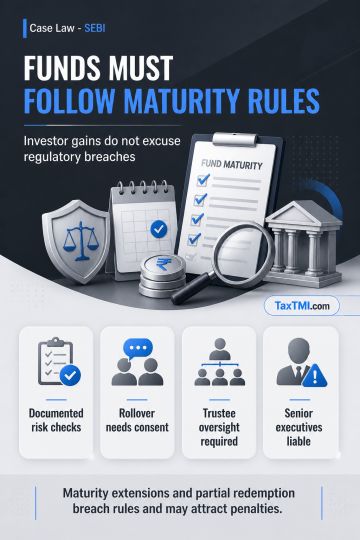
Mutual fund maturity rules require proper rollover, redemption, disclosure, and due diligence; investor gains cannot excuse regulatory breaches or pen...
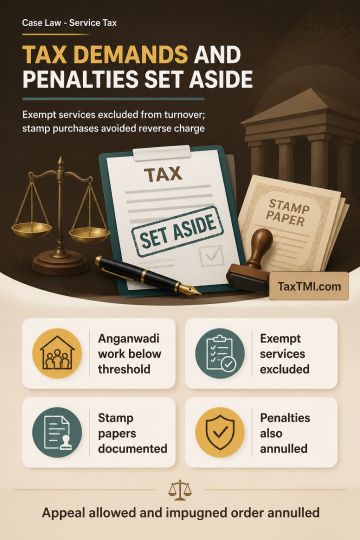
Threshold exemption excludes exempt services, while stamp-paper purchases avoid reverse charge; consequential service tax penalties were also set asid...
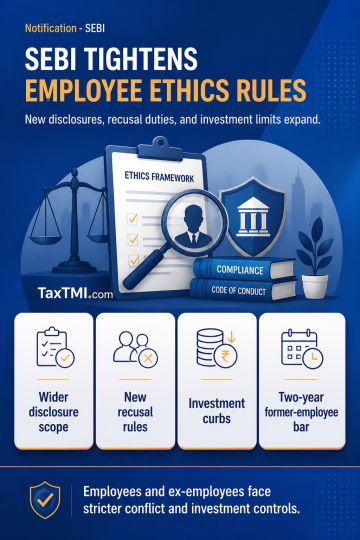
Employee conflict disclosures and investment restrictions expand with new recusal duties, post-employment limits, and compliance reporting requirement...
The assessee failed to demonstrate that the financial assistance availed on interest was utilized for business purposes without diversion. Where an assessee has interest-free and interest-laden funds, advances made to subsidiaries, family, or friends are presumed from interest-free funds if sufficient. The AO cannot question commercial wisdom but can examine if interest-free funds meet interest-free advances. The CIT-DR rightly argued against relying on previous decisions due to factual differences each year. However, the CIT(A) found identical facts to the previous year's Tribunal order favoring the assessee. The assessee had sufficient interest-free funds to cover related party advances except for one at 9% interest. Other related parties were charged 12%. For unrelated advances at 9%, promoter/director relationship existed. Consequential disallowances of brokerage, commission, and bank charges were deleted upon deleting interest disallowance. The decision favored the assessee against the revenue.
The assessee failed to demonstrate that the financial assistance availed on interest was utilized for business purposes without diversion. Where an assessee has interest-free and interest-laden funds, advances made to subsidiaries, family, or friends are presumed from interest-free funds if sufficient. The AO cannot question commercial wisdom but can examine if interest-free funds meet interest-free advances. The CIT-DR rightly argued against relying on previous decisions due to factual differences each year. However, the CIT(A) found identical facts to the previous year's Tribunal order favoring the assessee. The assessee had sufficient interest-free funds to cover related party advances except for one at 9% interest. Other related parties were charged 12%. For unrelated advances at 9%, promoter/director relationship existed. Consequential disallowances of brokerage, commission, and bank charges were deleted upon deleting interest disallowance. The decision favored the assessee against the revenue.
Note: It is a system-generated summary and is for quick reference only.
 TaxTMI
 of 4803













 Join Channel


 TaxTMI
