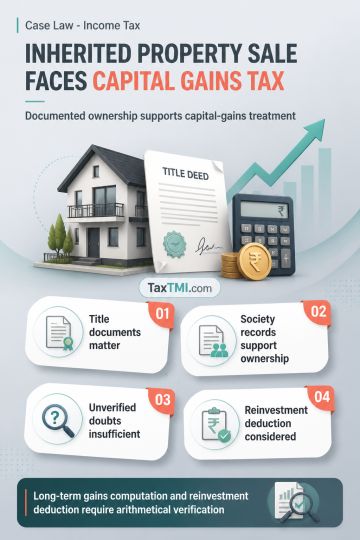
Inherited property sale proceeds require capital-gains treatment where ownership is supported by evidence, not suspicion or unverified signature doubt...
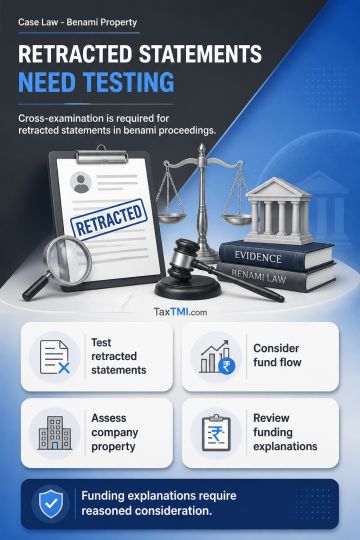
Cross-examination of retracted statements is essential where foundational evidence supports a benami allegation and documented funding explanations re...
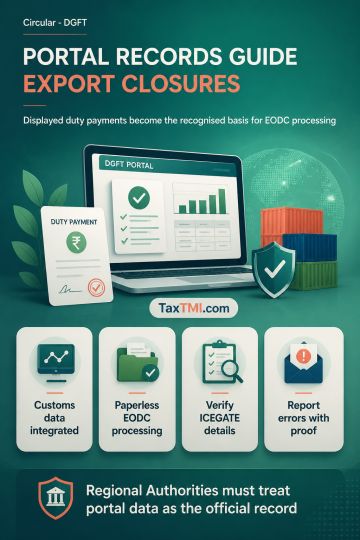
Capital-goods exemption covers plant-modernisation accessories, while the import restriction applies only to earlier capital-goods components and spar...
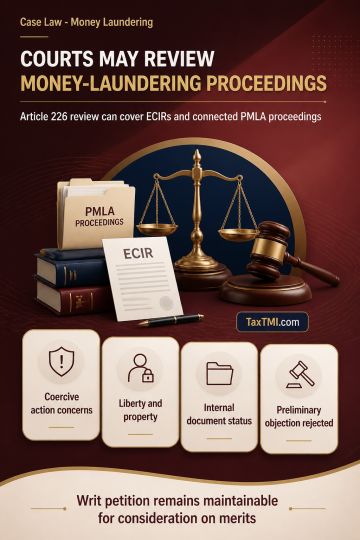
Constitutional judicial review permits challenges to ECIRs and connected money-laundering proceedings where coercive action affects fundamental intere...
The assessee failed to demonstrate that the financial assistance availed on interest was utilized for business purposes without diversion. Where an assessee has interest-free and interest-laden funds, advances made to subsidiaries, family, or friends are presumed from interest-free funds if sufficient. The AO cannot question commercial wisdom but can examine if interest-free funds meet interest-free advances. The CIT-DR rightly argued against relying on previous decisions due to factual differences each year. However, the CIT(A) found identical facts to the previous year's Tribunal order favoring the assessee. The assessee had sufficient interest-free funds to cover related party advances except for one at 9% interest. Other related parties were charged 12%. For unrelated advances at 9%, promoter/director relationship existed. Consequential disallowances of brokerage, commission, and bank charges were deleted upon deleting interest disallowance. The decision favored the assessee against the revenue.
The assessee failed to demonstrate that the financial assistance availed on interest was utilized for business purposes without diversion. Where an assessee has interest-free and interest-laden funds, advances made to subsidiaries, family, or friends are presumed from interest-free funds if sufficient. The AO cannot question commercial wisdom but can examine if interest-free funds meet interest-free advances. The CIT-DR rightly argued against relying on previous decisions due to factual differences each year. However, the CIT(A) found identical facts to the previous year's Tribunal order favoring the assessee. The assessee had sufficient interest-free funds to cover related party advances except for one at 9% interest. Other related parties were charged 12%. For unrelated advances at 9%, promoter/director relationship existed. Consequential disallowances of brokerage, commission, and bank charges were deleted upon deleting interest disallowance. The decision favored the assessee against the revenue.
Note: It is a system-generated summary and is for quick reference only.
 TaxTMI
 of 4792









 Join Channel


 TaxTMI