Transaction value rejection requires reliable corroboration; refundable VAT is excluded and temporary registration does not defeat new-vehicle exempti...
Appellate jurisdiction remains available where a wrist-worn gold ornament cannot conclusively be characterised as imported baggage at the preliminary ...
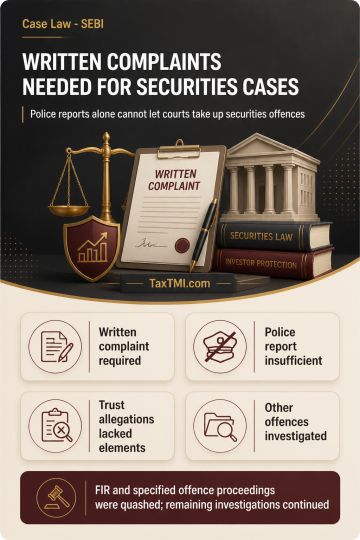
Written complaint requirement bars cognizance on police reports for securities offences, while unsupported breach of trust and cheating allegations fa...
Risk-based postal import clearance standardises electronic assessment, document requests, duty realisation and delivery controls at Foreign Post Offic...
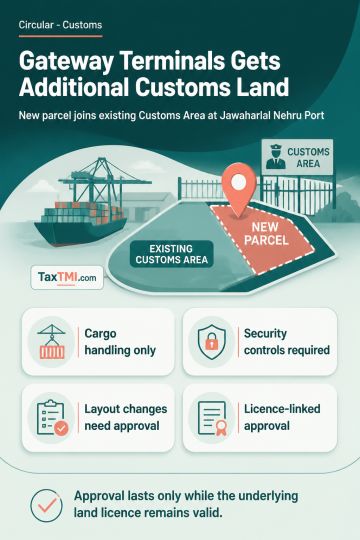
Customs Cargo Service Provider appointment extends custodianship to additional terminal land, subject to cargo-control, security and licence condition...
The assessee failed to demonstrate that the financial assistance availed on interest was utilized for business purposes without diversion. Where an assessee has interest-free and interest-laden funds, advances made to subsidiaries, family, or friends are presumed from interest-free funds if sufficient. The AO cannot question commercial wisdom but can examine if interest-free funds meet interest-free advances. The CIT-DR rightly argued against relying on previous decisions due to factual differences each year. However, the CIT(A) found identical facts to the previous year's Tribunal order favoring the assessee. The assessee had sufficient interest-free funds to cover related party advances except for one at 9% interest. Other related parties were charged 12%. For unrelated advances at 9%, promoter/director relationship existed. Consequential disallowances of brokerage, commission, and bank charges were deleted upon deleting interest disallowance. The decision favored the assessee against the revenue.
The assessee failed to demonstrate that the financial assistance availed on interest was utilized for business purposes without diversion. Where an assessee has interest-free and interest-laden funds, advances made to subsidiaries, family, or friends are presumed from interest-free funds if sufficient. The AO cannot question commercial wisdom but can examine if interest-free funds meet interest-free advances. The CIT-DR rightly argued against relying on previous decisions due to factual differences each year. However, the CIT(A) found identical facts to the previous year's Tribunal order favoring the assessee. The assessee had sufficient interest-free funds to cover related party advances except for one at 9% interest. Other related parties were charged 12%. For unrelated advances at 9%, promoter/director relationship existed. Consequential disallowances of brokerage, commission, and bank charges were deleted upon deleting interest disallowance. The decision favored the assessee against the revenue.
Note: It is a system-generated summary and is for quick reference only.
 TaxTMI
 of 4792






 Join Channel


 TaxTMI