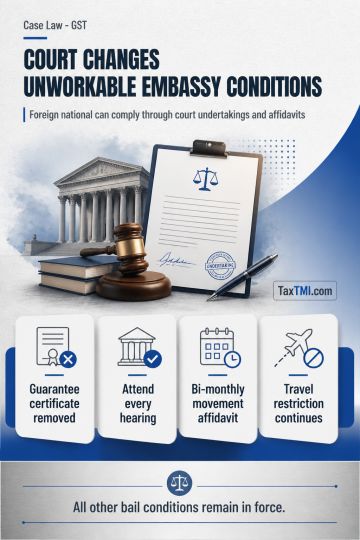
Arrest safeguards and transit remand requirements invalidated detention following inter-State transfer without communicated grounds or magistrate auth...
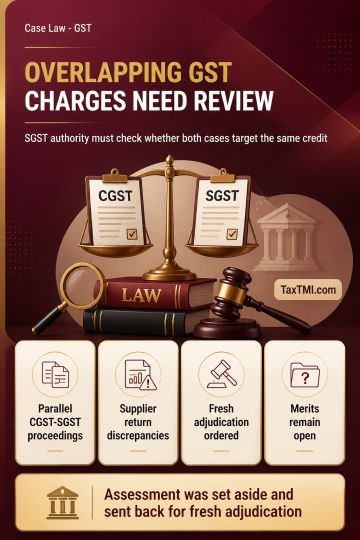
Arrest safeguards require disclosed grounds, relative intimation and transit remand, while duplicate prosecution under the CGST framework is unsustain...
Document Identification Number defects can invalidate GST assessments, with delayed challenges entertained conditionally where patent irregularities e...
Windmill commissioning evidence supported higher depreciation where grid connection and electricity generation proved operational use before the relev...
This is a case regarding levy of Central Excise Duty on Ready Mix Concrete (RMC) manufactured at construction sites by the appellant. The key points are: The appellant was manufacturing RMC at the site of the builder using raw materials provided by the builder, making it a job-work activity. The ownership of plant and machinery is irrelevant in determining job-work; the relationship between material supplier and processor is crucial. As the appellant was clearing goods manufactured on behalf of the builder, duty was payable by the appellant even as a job-worker. Regarding the extended period of limitation, it was held that due to a change in opinion based on a Supreme Court decision, the extended period could not be invoked, and the demand was confined to the normal period as correctly decided by the Commissioner (Appeals). The appellant's claim for concessional duty rate, if excess duty was due, was to be considered by the Original Adjudicating Authority. The appeal was dismissed, upholding the impugned order.
This is a case regarding levy of Central Excise Duty on Ready Mix Concrete (RMC) manufactured at construction sites by the appellant. The key points are: The appellant was manufacturing RMC at the site of the builder using raw materials provided by the builder, making it a job-work activity. The ownership of plant and machinery is irrelevant in determining job-work; the relationship between material supplier and processor is crucial. As the appellant was clearing goods manufactured on behalf of the builder, duty was payable by the appellant even as a job-worker. Regarding the extended period of limitation, it was held that due to a change in opinion based on a Supreme Court decision, the extended period could not be invoked, and the demand was confined to the normal period as correctly decided by the Commissioner (Appeals). The appellant's claim for concessional duty rate, if excess duty was due, was to be considered by the Original Adjudicating Authority. The appeal was dismissed, upholding the impugned order.
Note: It is a system-generated summary and is for quick reference only.
 TaxTMI
 of 4800
















 Join Channel


 TaxTMI
