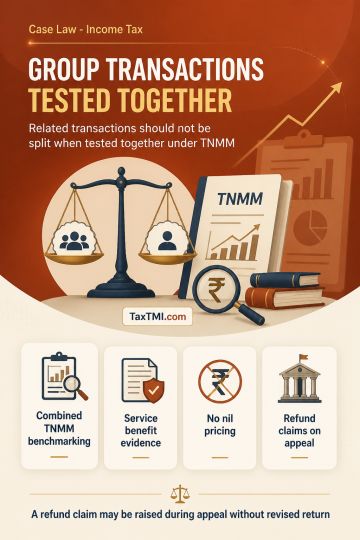
Aggregation under TNMM prevents selective testing of intra-group services without comparable uncontrolled transactions, while appellate additional cla...
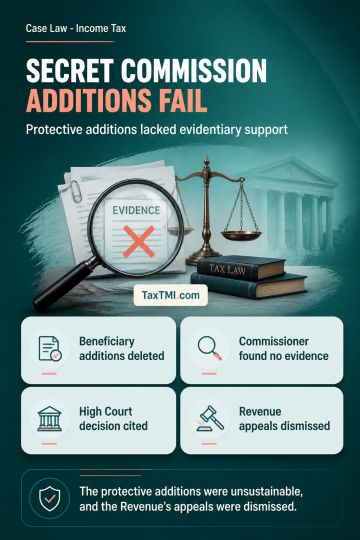
Protective assessment cannot duplicate identical receipts under competing characterisations; remote services did not establish a taxable permanent est...
Current account treatment of overseas tournament services removed most FEMA findings, but excess EEFC remittance and delayed repatriation remained bre...
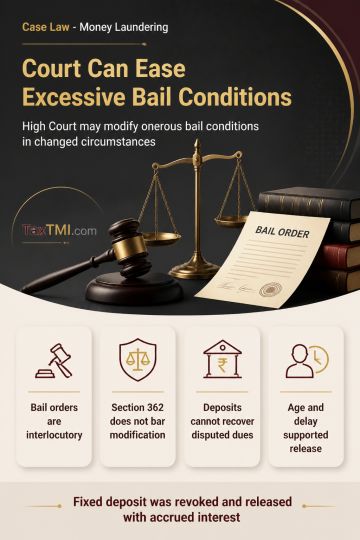
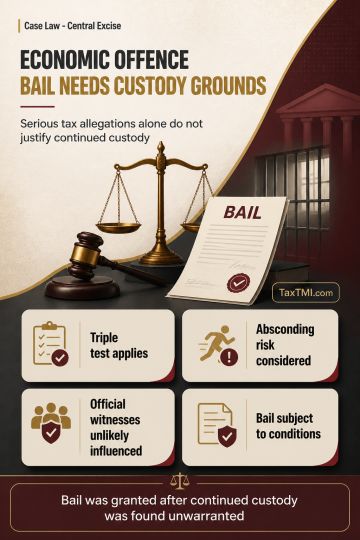
Modification of bail conditions remains available through inherent jurisdiction where onerous deposits undermine justice and cannot recover disputed d...
Merchant banker regulation consolidates registration, governance, capital, reporting, outsourcing and investor-protection requirements under an update...
This is a case regarding levy of Central Excise Duty on Ready Mix Concrete (RMC) manufactured at construction sites by the appellant. The key points are: The appellant was manufacturing RMC at the site of the builder using raw materials provided by the builder, making it a job-work activity. The ownership of plant and machinery is irrelevant in determining job-work; the relationship between material supplier and processor is crucial. As the appellant was clearing goods manufactured on behalf of the builder, duty was payable by the appellant even as a job-worker. Regarding the extended period of limitation, it was held that due to a change in opinion based on a Supreme Court decision, the extended period could not be invoked, and the demand was confined to the normal period as correctly decided by the Commissioner (Appeals). The appellant's claim for concessional duty rate, if excess duty was due, was to be considered by the Original Adjudicating Authority. The appeal was dismissed, upholding the impugned order.
This is a case regarding levy of Central Excise Duty on Ready Mix Concrete (RMC) manufactured at construction sites by the appellant. The key points are: The appellant was manufacturing RMC at the site of the builder using raw materials provided by the builder, making it a job-work activity. The ownership of plant and machinery is irrelevant in determining job-work; the relationship between material supplier and processor is crucial. As the appellant was clearing goods manufactured on behalf of the builder, duty was payable by the appellant even as a job-worker. Regarding the extended period of limitation, it was held that due to a change in opinion based on a Supreme Court decision, the extended period could not be invoked, and the demand was confined to the normal period as correctly decided by the Commissioner (Appeals). The appellant's claim for concessional duty rate, if excess duty was due, was to be considered by the Original Adjudicating Authority. The appeal was dismissed, upholding the impugned order.
Note: It is a system-generated summary and is for quick reference only.
 TaxTMI
 of 4798












 Join Channel


 TaxTMI