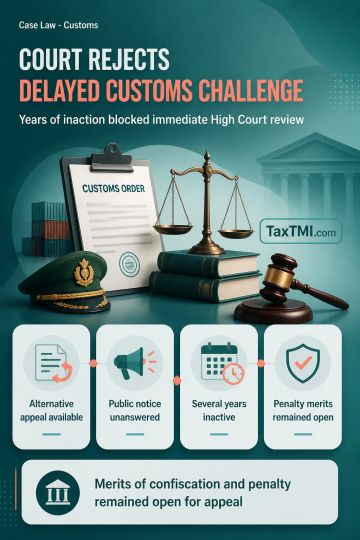
Alternative statutory remedy and unexplained delay barred writ review of customs confiscation adjudication, leaving merits for appellate consideration...
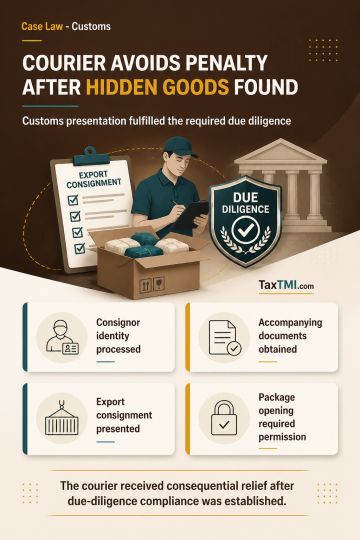
Authorised courier due diligence protects against penalties where declared exports conceal prohibited goods despite proper documentation and customs p...
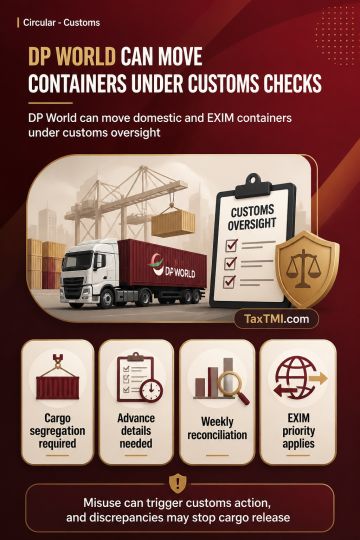
Customs-controlled container movement now extends to DP World facilities, subject to segregation, inspections, reconciliation, and EXIM cargo priority...
The Customs Broker (CB) was alleged to have violated Regulation 10(n) of the Customs Broker Licensing Regulation, 2018, for failing to verify the antecedents and actual beneficiary in an import consignment containing mis-declared and prohibited goods, including e-cigarettes. The CB had obtained the KYC documents and authorization from the importer, contacted the importer, verified their IEC and KYC details, and provided assistance to the investigating authorities. The Tribunal held that the CB fulfilled its obligations under Regulation 10(n) by verifying the KYC of the client (importer) and acted with due diligence. It is improper to impose a burden on the CB to verify the actual beneficiary beyond the obligations of verifying the client's KYC. The CB's belief that the coordinator was a representative of the importer was bonafide. The allegation of violating Regulation 10(n) was unfounded, and the penalty of Rs.50,000 imposed on the CB was set aside by the Appellate Tribunal.
The Customs Broker (CB) was alleged to have violated Regulation 10(n) of the Customs Broker Licensing Regulation, 2018, for failing to verify the antecedents and actual beneficiary in an import consignment containing mis-declared and prohibited goods, including e-cigarettes. The CB had obtained the KYC documents and authorization from the importer, contacted the importer, verified their IEC and KYC details, and provided assistance to the investigating authorities. The Tribunal held that the CB fulfilled its obligations under Regulation 10(n) by verifying the KYC of the client (importer) and acted with due diligence. It is improper to impose a burden on the CB to verify the actual beneficiary beyond the obligations of verifying the client's KYC. The CB's belief that the coordinator was a representative of the importer was bonafide. The allegation of violating Regulation 10(n) was unfounded, and the penalty of Rs.50,000 imposed on the CB was set aside by the Appellate Tribunal.
Note: It is a system-generated summary and is for quick reference only.
 TaxTMI
  TaxTMI
 of 4828











 Join Channel


