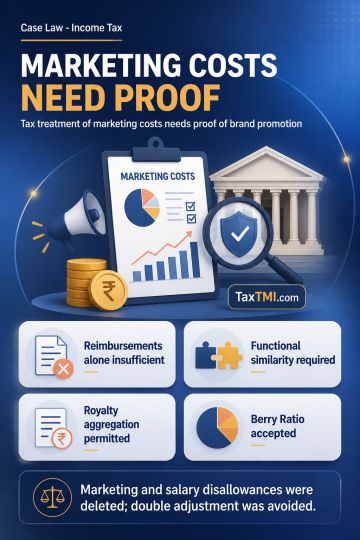
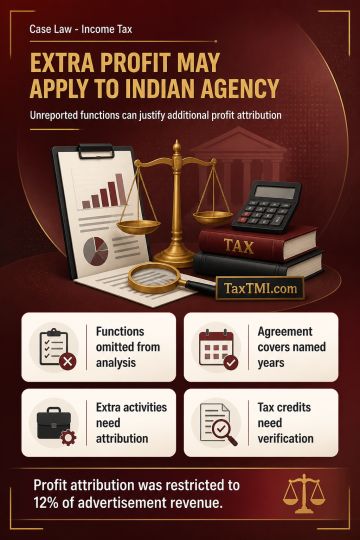
Transfer pricing requires evidence for AMP transactions, functionally reliable comparables, and appropriate aggregation or Berry Ratio benchmarking me...
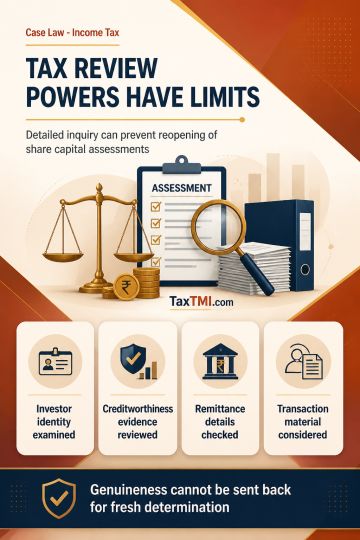
Revisionary jurisdiction cannot reopen share capital assessments where adequate inquiry supports a permissible view and no independent error is establ...
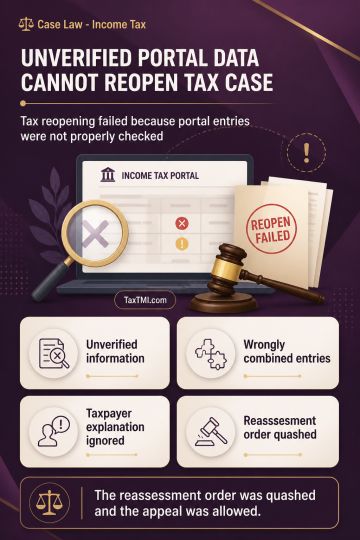
Reassessment jurisdiction fails where unverified portal information is aggregated without examining the taxpayer's explanation or relevance of entries...
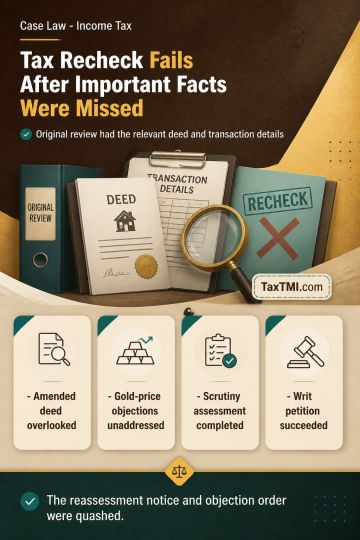
Statutory sanction for delayed reassessment requires approval from the prescribed authority; approval by an inferior authority invalidates jurisdictio...
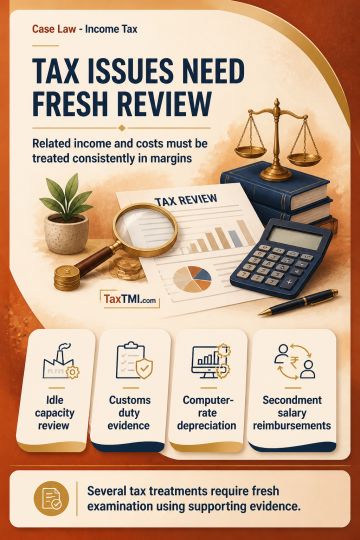
Transfer pricing margin adjustments require matching treatment of non-operating income and related costs, with comparability issues reconsidered on ev...
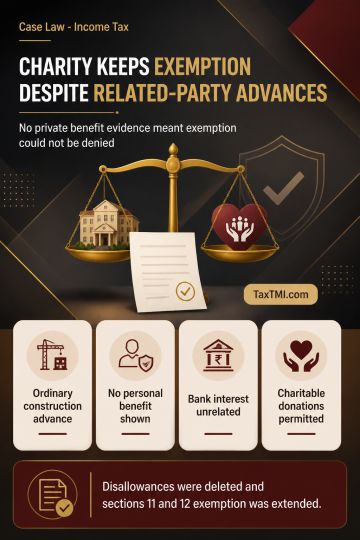
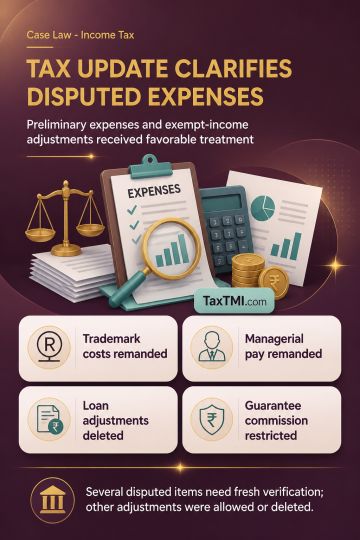
Preliminary-expense amortisation and MAT exempt-income adjustments prevailed, while trademark costs and managerial remuneration require fresh verifica...
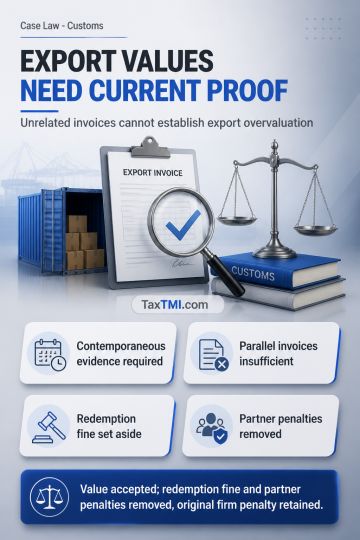
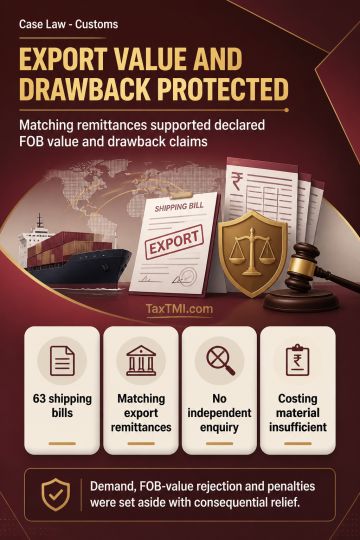
Export valuation requires contemporaneous evidence; unrelated invoices cannot prove overvaluation, and dual penalties on firm and partner are impermis...
This circular clarifies the scope of regularization on an "as is" or "as is, where is" basis mentioned in previous GST circulars issued based on GST Council recommendations. It states that when genuine doubts arise due to competing entries with different rates or diverse interpretations, leading to some suppliers paying lower GST rates (including nil rates) and others paying higher rates, the Council recommends regularizing past payments on an "as is" basis. This means accepting the lower rate paid, without refunds for those who paid higher rates. The intention is to fully discharge tax liability based on the tax position taken by the taxpayer in filed returns. If two competing rates existed and the lower rate was paid, that payment is treated as tax fully paid for the regularized period, without requiring differential payment. Illustrations clarify scenarios like competing 5% and 12% rates, exemption versus 5% rate, and non-payment versus lower rates paid. The circular aims to provide clarity on the scope of "as is" regularization based on the Council's recommendations.
This circular clarifies the scope of regularization on an "as is" or "as is, where is" basis mentioned in previous GST circulars issued based on GST Council recommendations. It states that when genuine doubts arise due to competing entries with different rates or diverse interpretations, leading to some suppliers paying lower GST rates (including nil rates) and others paying higher rates, the Council recommends regularizing past payments on an "as is" basis. This means accepting the lower rate paid, without refunds for those who paid higher rates. The intention is to fully discharge tax liability based on the tax position taken by the taxpayer in filed returns. If two competing rates existed and the lower rate was paid, that payment is treated as tax fully paid for the regularized period, without requiring differential payment. Illustrations clarify scenarios like competing 5% and 12% rates, exemption versus 5% rate, and non-payment versus lower rates paid. The circular aims to provide clarity on the scope of "as is" regularization based on the Council's recommendations.
Note: It is a system-generated summary and is for quick reference only.
 TaxTMI
 of 4801









 Join Channel


 TaxTMI
