Threshold exemption excludes exempt services, while stamp-paper purchases avoid reverse charge; consequential service tax penalties were also set asid...
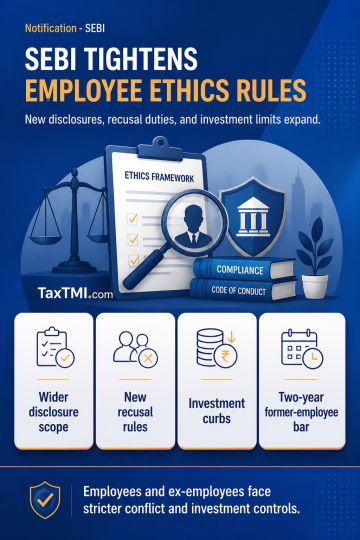
Employee conflict disclosures and investment restrictions expand with new recusal duties, post-employment limits, and compliance reporting requirement...
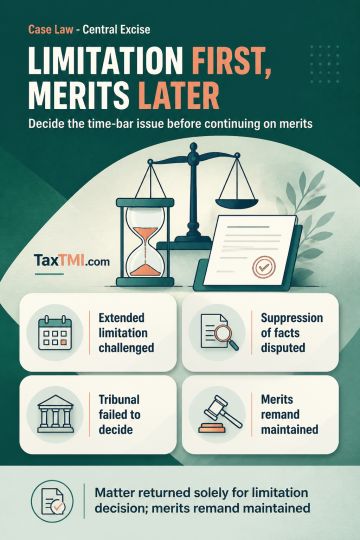
The High Court examined the recovery of wrongly availed credit with penalty for wrongful availment during transition to GST regime. The petitioner's branches were not registered, and there was no correlation between invoices and claims made. The Court analyzed the registration status u/r 9 of Central Excise Rules, 2002, which allows exemption granted through a 2010 notification. The petitioner produced a centralized registration certificate covering various branches. The correlation between claims and invoices was remanded to the original authority for verification after setting aside the orders. The authorities were directed to determine credit eligibility after verifying branch registration coverage. The writ petition was disposed of through remand.
The High Court examined the recovery of wrongly availed credit with penalty for wrongful availment during transition to GST regime. The petitioner's branches were not registered, and there was no correlation between invoices and claims made. The Court analyzed the registration status u/r 9 of Central Excise Rules, 2002, which allows exemption granted through a 2010 notification. The petitioner produced a centralized registration certificate covering various branches. The correlation between claims and invoices was remanded to the original authority for verification after setting aside the orders. The authorities were directed to determine credit eligibility after verifying branch registration coverage. The writ petition was disposed of through remand.
Note: It is a system-generated summary and is for quick reference only.
 TaxTMI
  TaxTMI
 of 4809










 Join Channel


