Independent show-cause notices remain separate proceedings, while customs adjudication challenges should ordinarily follow the statutory appellate rem...
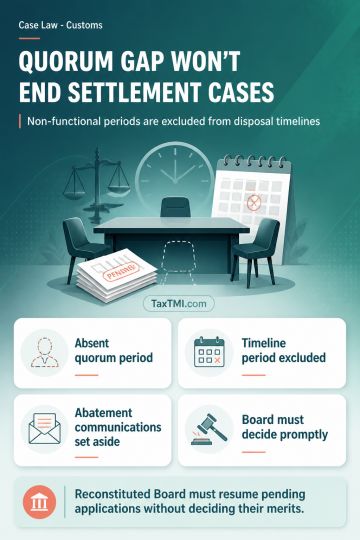
Institutional incapacity in customs settlement proceedings excludes non-functional quorum periods from statutory disposal timelines, preventing automa...
Interactive touchscreen panels with integrated computing functions fall under automatic data-processing machines rather than display monitors for cust...
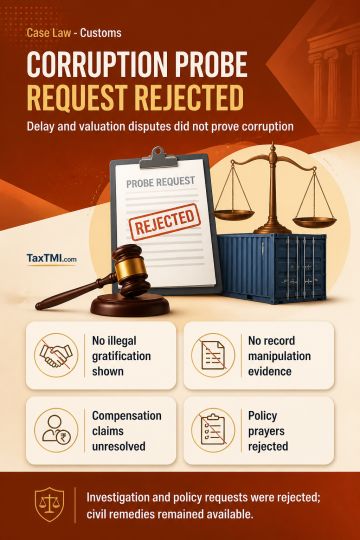
Ex parte injunction service requirements were substantially met, while civil recovery and SFIO investigation into provident fund defalcation continued...
The Appellate Tribunal affirmed the decision to exclude the Appellant and other unsecured Financial Creditors from the Committee of Creditors (CoC). The key issues were whether the Appellant qualified as a 'related party' and whether its claim as a financial creditor was valid. The Appellant's claim of Rs.195 crores was based on a Deed of Guarantee-cum-Indemnity executed by the Corporate Debtor. However, the Tribunal held that there can be 'financial debt' only when liability or obligation arises from a claim due from any person. Since the Appellant did not disburse the amount of Rs.195 crores to the principal borrower, its claim against the guarantor (Corporate Debtor) could not be admitted. The Tribunal emphasized the statutory requirement of financial statements evidencing the amounts drawn by the Corporate Debtor under a facility to prove the existence of debt. As the Adjudicating Authority had directed a transaction audit report, the parties were given liberty to file fresh applications based on the report's findings regarding the Appellant's status as a 'related party' or a Financial Creditor/secured creditor.
The Appellate Tribunal affirmed the decision to exclude the Appellant and other unsecured Financial Creditors from the Committee of Creditors (CoC). The key issues were whether the Appellant qualified as a 'related party' and whether its claim as a financial creditor was valid. The Appellant's claim of Rs.195 crores was based on a Deed of Guarantee-cum-Indemnity executed by the Corporate Debtor. However, the Tribunal held that there can be 'financial debt' only when liability or obligation arises from a claim due from any person. Since the Appellant did not disburse the amount of Rs.195 crores to the principal borrower, its claim against the guarantor (Corporate Debtor) could not be admitted. The Tribunal emphasized the statutory requirement of financial statements evidencing the amounts drawn by the Corporate Debtor under a facility to prove the existence of debt. As the Adjudicating Authority had directed a transaction audit report, the parties were given liberty to file fresh applications based on the report's findings regarding the Appellant's status as a 'related party' or a Financial Creditor/secured creditor.
Note: It is a system-generated summary and is for quick reference only.
 TaxTMI
 of 4805















 Join Channel


 TaxTMI