Transaction value rejection requires reliable corroboration; refundable VAT is excluded and temporary registration does not defeat new-vehicle exempti...
Appellate jurisdiction remains available where a wrist-worn gold ornament cannot conclusively be characterised as imported baggage at the preliminary ...
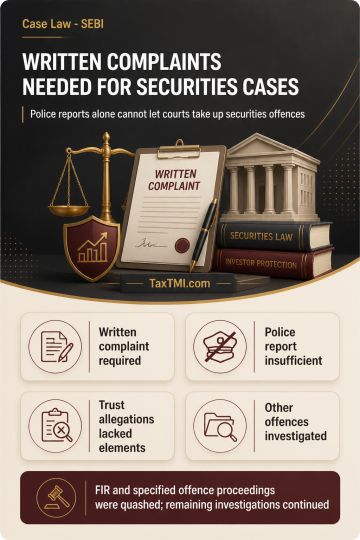
Written complaint requirement bars cognizance on police reports for securities offences, while unsupported breach of trust and cheating allegations fa...
Risk-based postal import clearance standardises electronic assessment, document requests, duty realisation and delivery controls at Foreign Post Offic...
Customs Cargo Service Provider appointment extends custodianship to additional terminal land, subject to cargo-control, security and licence condition...
The High Court examined whether it is appropriate to entertain a writ petition against a Provisional Attachment Order (PAO) issued under the Prevention of Money Laundering Act, 2002, before the statutory period of 30 days when the Adjudicating Authority is required to examine it. The Supreme Court has upheld the validity of Section 5 of the Act, finding adequate safeguards to give an opportunity to the aggrieved person to file objections before the Adjudicating Authority. The PAO is passed by the Director or authorized officer with reasons based on material in possession. Since sufficient remedies are available under the Act, the High Court held it inappropriate to entertain the petition before the 30-day period expires, except in rare and exceptional cases. The petitioner was relegated to avail alternative remedies, and the Adjudicating Authority was directed to expedite the matter without observations on merits.
The High Court examined whether it is appropriate to entertain a writ petition against a Provisional Attachment Order (PAO) issued under the Prevention of Money Laundering Act, 2002, before the statutory period of 30 days when the Adjudicating Authority is required to examine it. The Supreme Court has upheld the validity of Section 5 of the Act, finding adequate safeguards to give an opportunity to the aggrieved person to file objections before the Adjudicating Authority. The PAO is passed by the Director or authorized officer with reasons based on material in possession. Since sufficient remedies are available under the Act, the High Court held it inappropriate to entertain the petition before the 30-day period expires, except in rare and exceptional cases. The petitioner was relegated to avail alternative remedies, and the Adjudicating Authority was directed to expedite the matter without observations on merits.
Note: It is a system-generated summary and is for quick reference only.
 TaxTMI
 of 4805















 Join Channel


 TaxTMI