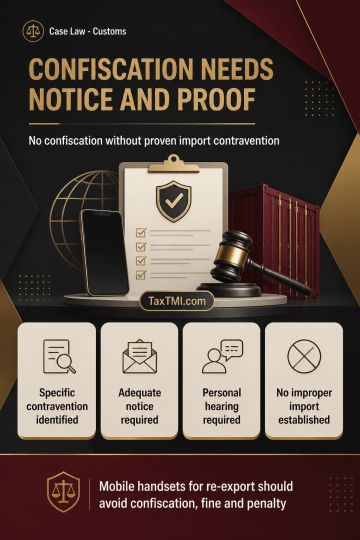
Arrest safeguards require disclosed grounds, relative intimation and transit remand, while duplicate prosecution under the CGST framework is unsustain...
Document Identification Number defects can invalidate GST assessments, with delayed challenges entertained conditionally where patent irregularities e...
Windmill commissioning evidence supported higher depreciation where grid connection and electricity generation proved operational use before the relev...
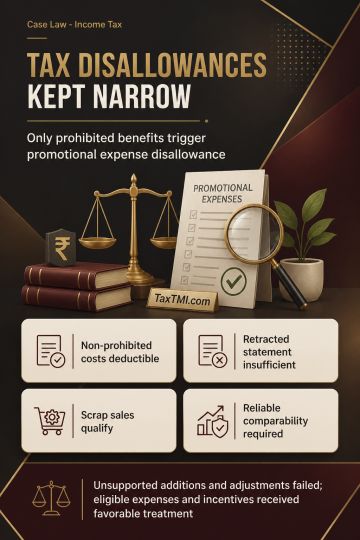
Pharmaceutical promotion and transfer-pricing comparability principles limited disallowances, while uncorroborated search allegations and unsupported ...
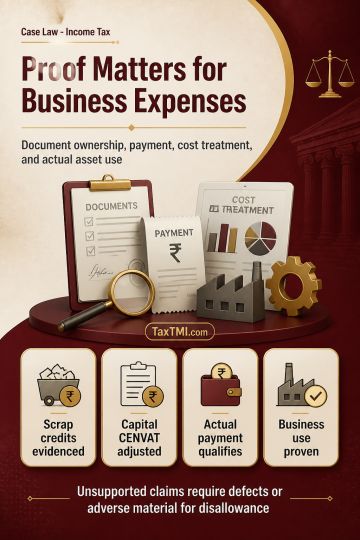
Business expenditure substantiation supports scrap credits, statutory payments and expense claims, while depreciation requires proof of actual busines...
The assessee declared purchases from parties issuing bogus purchase vouchers without actual transactions, merely laundering unaccounted money to claim deduction u/s 80HHC. The Assessing Officer treated 25% of unverifiable purchases as income from other sources, alleging inflation of export profits. The CIT(A) confirmed this addition. The ITAT held that rejection of books u/s 145(3) requires specific conditions, which were not satisfied. The AO did not follow the proper procedure or point out defects in accounts. The ITAT relied on judicial precedents to conclude that no addition can be made if the declared gross profit rate is higher than the rate prescribed by the jurisdictional High Court in such cases. The assessee's gross profit rate was found reasonable based on comparable cases and the partner's statement recorded during the search. Consequently, the ITAT allowed the assessee's ground and deleted the addition of 25% of unverifiable purchases.
The assessee declared purchases from parties issuing bogus purchase vouchers without actual transactions, merely laundering unaccounted money to claim deduction u/s 80HHC. The Assessing Officer treated 25% of unverifiable purchases as income from other sources, alleging inflation of export profits. The CIT(A) confirmed this addition. The ITAT held that rejection of books u/s 145(3) requires specific conditions, which were not satisfied. The AO did not follow the proper procedure or point out defects in accounts. The ITAT relied on judicial precedents to conclude that no addition can be made if the declared gross profit rate is higher than the rate prescribed by the jurisdictional High Court in such cases. The assessee's gross profit rate was found reasonable based on comparable cases and the partner's statement recorded during the search. Consequently, the ITAT allowed the assessee's ground and deleted the addition of 25% of unverifiable purchases.
Note: It is a system-generated summary and is for quick reference only.
 TaxTMI
 of 4805















 Join Channel


 TaxTMI