Arrest safeguards require disclosed grounds, relative intimation and transit remand, while duplicate prosecution under the CGST framework is unsustain...
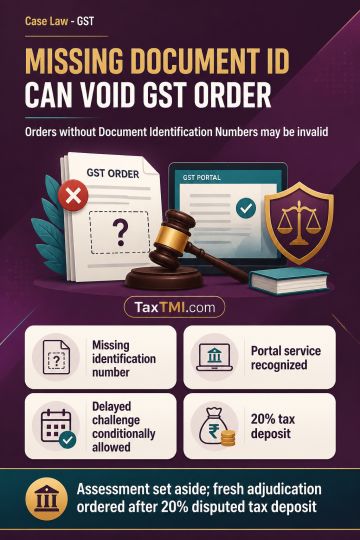
Document Identification Number defects can invalidate GST assessments, with delayed challenges entertained conditionally where patent irregularities e...
Windmill commissioning evidence supported higher depreciation where grid connection and electricity generation proved operational use before the relev...
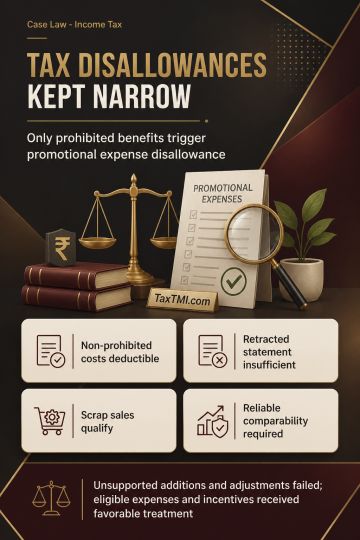
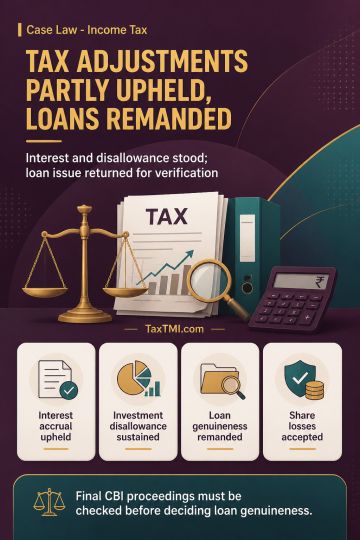
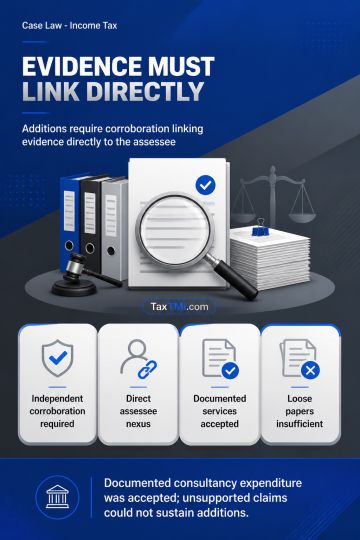
Pharmaceutical promotion and transfer-pricing comparability principles limited disallowances, while uncorroborated search allegations and unsupported ...
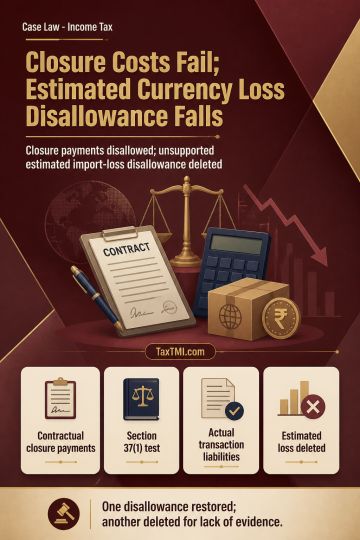
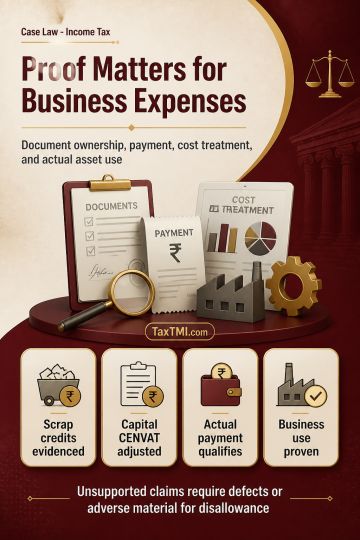
Business expenditure substantiation supports scrap credits, statutory payments and expense claims, while depreciation requires proof of actual busines...
Constitutional validity of Sections 104, 105, and 108 of the Customs Act, 1962, concerning the legality of search and seizure operations conducted by the respondents. It examines whether the alleged acts or omissions constitute prohibited goods or evasion of duty exceeding fifty lakh rupees, rendering Section 155 of the Criminal Procedure Code (Cr.P.C.) inapplicable. The court held that while gold is not absolutely prohibited, failure to comply with conditions amounts to prohibited goods u/ss 2(33) and 11 of the Act. The petitioners' alleged acts prima facie constitute prohibited goods, and the offence being cognizable with punishment up to 7 years, Section 155 of Cr.P.C. is inapplicable. Consequently, the court dismissed the stay applications, prima facie finding no grounds to grant a stay at this stage, subject to deciding the constitutional validity of the provisions in the main writ petitions.
Constitutional validity of Sections 104, 105, and 108 of the Customs Act, 1962, concerning the legality of search and seizure operations conducted by the respondents. It examines whether the alleged acts or omissions constitute prohibited goods or evasion of duty exceeding fifty lakh rupees, rendering Section 155 of the Criminal Procedure Code (Cr.P.C.) inapplicable. The court held that while gold is not absolutely prohibited, failure to comply with conditions amounts to prohibited goods u/ss 2(33) and 11 of the Act. The petitioners' alleged acts prima facie constitute prohibited goods, and the offence being cognizable with punishment up to 7 years, Section 155 of Cr.P.C. is inapplicable. Consequently, the court dismissed the stay applications, prima facie finding no grounds to grant a stay at this stage, subject to deciding the constitutional validity of the provisions in the main writ petitions.
Note: It is a system-generated summary and is for quick reference only.
 TaxTMI
 of 4805













 Join Channel


 TaxTMI