Section 80P deduction covers Souharda credit societies, including qualifying surplus-deposit interest, subject to member KYC verification for cash dep...
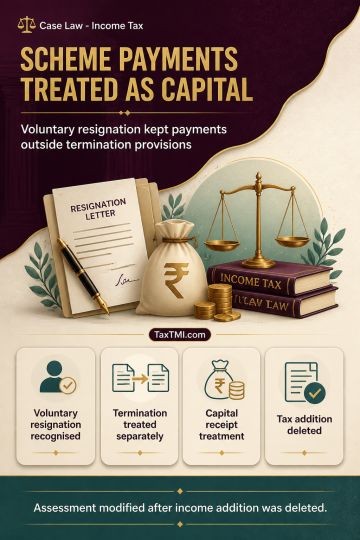
Transfer-pricing benchmarking and capital-receipt principles sustained taxpayer relief, while unsupported property-advance write-offs remained disallo...
Pre-existing operational debt disputes require genuine evidence, while undirected running-account payments may be appropriated on a first-in-first-out...
Agency in CNG distribution makes outlet operators commission agents, rendering taxable Business Auxiliary Service rather than purchasing goods for res...
The case pertains to the levy of service tax on commercial coaching or training services. The Finance Act, 2010 inserted an explanation in Section 65(105)(zzc) retrospectively from July 1, 2003, clarifying that the word 'commercial' would mean training or coaching services provided for consideration, irrespective of profit motive. Notification no. 33/2011 granted exemptions to coaching and training centers leading to a certificate, diploma, degree, or other educational qualification recognized by law. The Board clarified that 'recognized by any law' encompasses courses approved or recognized by any entity established under Central or State legislation for granting recognition to educational courses. The High Court found that the petitioner was neither affiliated with a University nor enabled by statute to grant degrees or diplomas. The CESTAT concluded that the petitioner's appeals lacked merit, while the Department's appeals were allowed. The petition was dismissed.
The case pertains to the levy of service tax on commercial coaching or training services. The Finance Act, 2010 inserted an explanation in Section 65(105)(zzc) retrospectively from July 1, 2003, clarifying that the word 'commercial' would mean training or coaching services provided for consideration, irrespective of profit motive. Notification no. 33/2011 granted exemptions to coaching and training centers leading to a certificate, diploma, degree, or other educational qualification recognized by law. The Board clarified that 'recognized by any law' encompasses courses approved or recognized by any entity established under Central or State legislation for granting recognition to educational courses. The High Court found that the petitioner was neither affiliated with a University nor enabled by statute to grant degrees or diplomas. The CESTAT concluded that the petitioner's appeals lacked merit, while the Department's appeals were allowed. The petition was dismissed.
Note: It is a system-generated summary and is for quick reference only.
 TaxTMI
 of 4805













 Join Channel


 TaxTMI