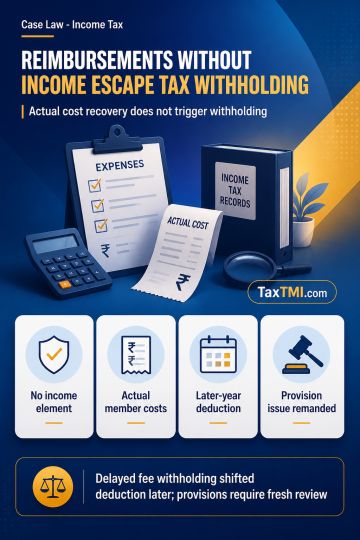
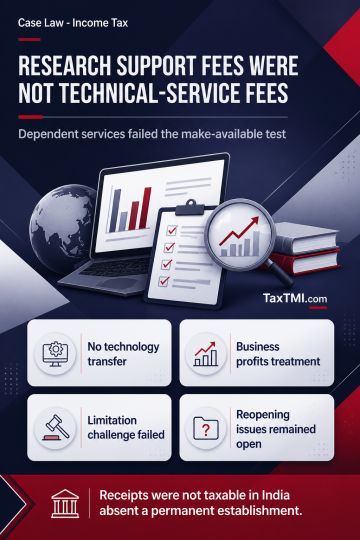
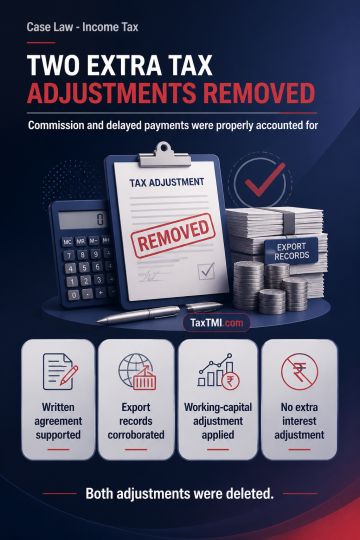
Pure reimbursement without income element escapes tax withholding, while delayed withholding and unsupported provisions face deferred or renewed scrut...
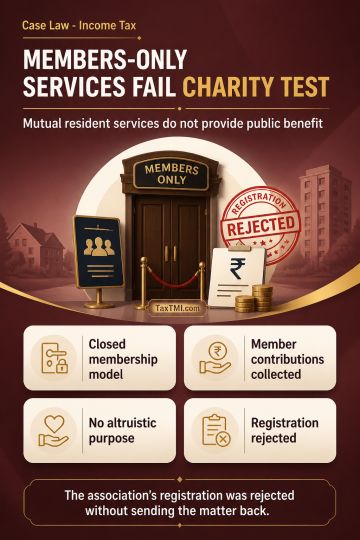
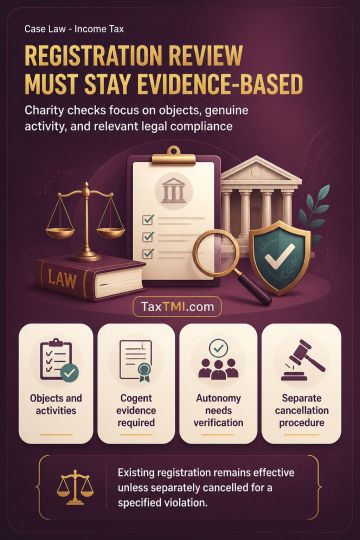
Public benefit requirement defeats charitable registration where residents' association services are reciprocal, member-only facilities governed by mu...
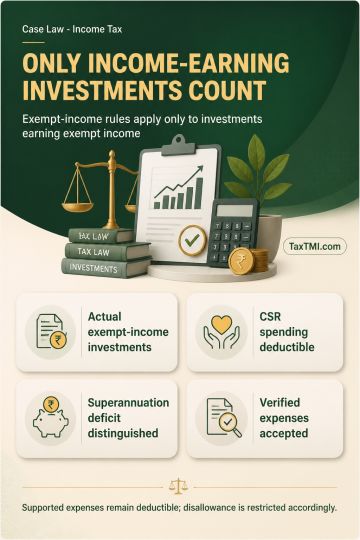
Exempt-income expenditure disallowance is confined to investments that actually generated exempt income, while supported business expenses remain dedu...
Objective characteristics and principal use govern mining-tyre classification, while fresh advance ruling applications may rely on additional technica...
The case pertains to the levy of service tax on commercial coaching or training services. The Finance Act, 2010 inserted an explanation in Section 65(105)(zzc) retrospectively from July 1, 2003, clarifying that the word 'commercial' would mean training or coaching services provided for consideration, irrespective of profit motive. Notification no. 33/2011 granted exemptions to coaching and training centers leading to a certificate, diploma, degree, or other educational qualification recognized by law. The Board clarified that 'recognized by any law' encompasses courses approved or recognized by any entity established under Central or State legislation for granting recognition to educational courses. The High Court found that the petitioner was neither affiliated with a University nor enabled by statute to grant degrees or diplomas. The CESTAT concluded that the petitioner's appeals lacked merit, while the Department's appeals were allowed. The petition was dismissed.
The case pertains to the levy of service tax on commercial coaching or training services. The Finance Act, 2010 inserted an explanation in Section 65(105)(zzc) retrospectively from July 1, 2003, clarifying that the word 'commercial' would mean training or coaching services provided for consideration, irrespective of profit motive. Notification no. 33/2011 granted exemptions to coaching and training centers leading to a certificate, diploma, degree, or other educational qualification recognized by law. The Board clarified that 'recognized by any law' encompasses courses approved or recognized by any entity established under Central or State legislation for granting recognition to educational courses. The High Court found that the petitioner was neither affiliated with a University nor enabled by statute to grant degrees or diplomas. The CESTAT concluded that the petitioner's appeals lacked merit, while the Department's appeals were allowed. The petition was dismissed.
Note: It is a system-generated summary and is for quick reference only.
 TaxTMI
 of 4803











 Join Channel


 TaxTMI
