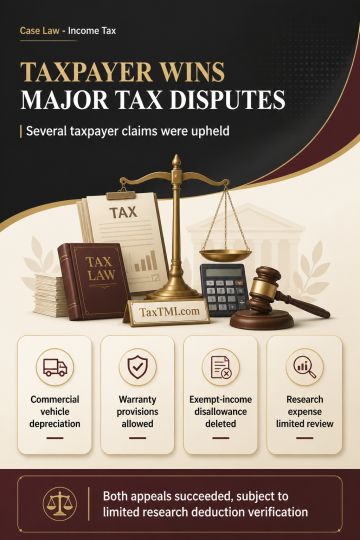
Commercial vehicle depreciation, scientifically determined warranty provisions and exempt-income disallowances were resolved in favour of the taxpayer...
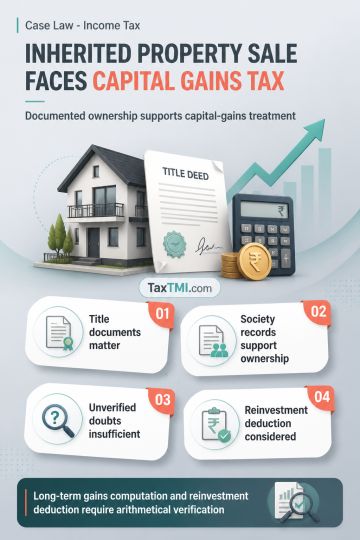
Inherited property sale proceeds require capital-gains treatment where ownership is supported by evidence, not suspicion or unverified signature doubt...
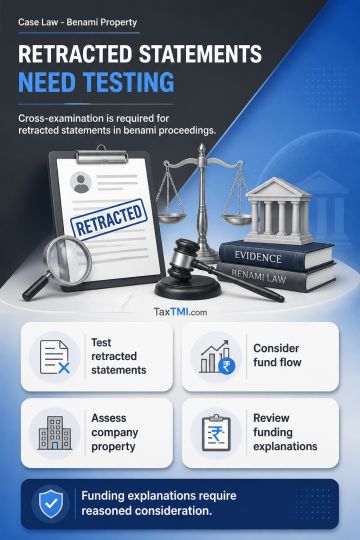
Cross-examination of retracted statements is essential where foundational evidence supports a benami allegation and documented funding explanations re...
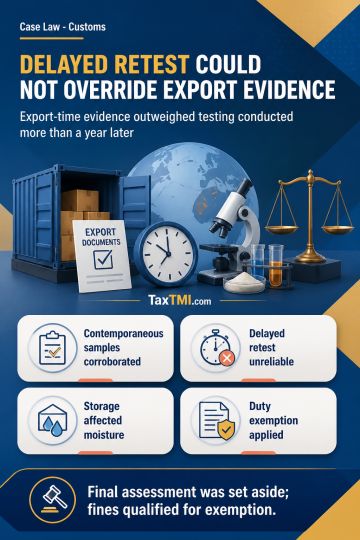
Capital-goods exemption covers plant-modernisation accessories, while the import restriction applies only to earlier capital-goods components and spar...
The case pertains to the levy of service tax on commercial coaching or training services. The Finance Act, 2010 inserted an explanation in Section 65(105)(zzc) retrospectively from July 1, 2003, clarifying that the word 'commercial' would mean training or coaching services provided for consideration, irrespective of profit motive. Notification no. 33/2011 granted exemptions to coaching and training centers leading to a certificate, diploma, degree, or other educational qualification recognized by law. The Board clarified that 'recognized by any law' encompasses courses approved or recognized by any entity established under Central or State legislation for granting recognition to educational courses. The High Court found that the petitioner was neither affiliated with a University nor enabled by statute to grant degrees or diplomas. The CESTAT concluded that the petitioner's appeals lacked merit, while the Department's appeals were allowed. The petition was dismissed.
The case pertains to the levy of service tax on commercial coaching or training services. The Finance Act, 2010 inserted an explanation in Section 65(105)(zzc) retrospectively from July 1, 2003, clarifying that the word 'commercial' would mean training or coaching services provided for consideration, irrespective of profit motive. Notification no. 33/2011 granted exemptions to coaching and training centers leading to a certificate, diploma, degree, or other educational qualification recognized by law. The Board clarified that 'recognized by any law' encompasses courses approved or recognized by any entity established under Central or State legislation for granting recognition to educational courses. The High Court found that the petitioner was neither affiliated with a University nor enabled by statute to grant degrees or diplomas. The CESTAT concluded that the petitioner's appeals lacked merit, while the Department's appeals were allowed. The petition was dismissed.
Note: It is a system-generated summary and is for quick reference only.
 TaxTMI
 of 4801










 Join Channel


 TaxTMI