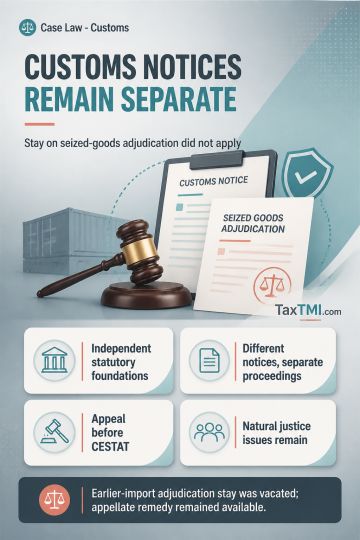
Independent show-cause notices remain separate proceedings, while customs adjudication challenges should ordinarily follow the statutory appellate rem...
Institutional incapacity in customs settlement proceedings excludes non-functional quorum periods from statutory disposal timelines, preventing automa...
Interactive touchscreen panels with integrated computing functions fall under automatic data-processing machines rather than display monitors for cust...
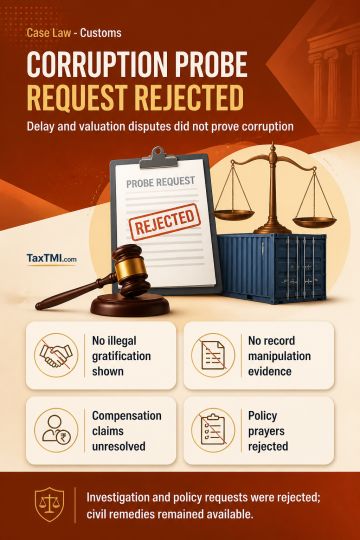
Ex parte injunction service requirements were substantially met, while civil recovery and SFIO investigation into provident fund defalcation continued...
The case pertains to the levy of service tax on commercial coaching or training services. The Finance Act, 2010 inserted an explanation in Section 65(105)(zzc) retrospectively from July 1, 2003, clarifying that the word 'commercial' would mean training or coaching services provided for consideration, irrespective of profit motive. Notification no. 33/2011 granted exemptions to coaching and training centers leading to a certificate, diploma, degree, or other educational qualification recognized by law. The Board clarified that 'recognized by any law' encompasses courses approved or recognized by any entity established under Central or State legislation for granting recognition to educational courses. The High Court found that the petitioner was neither affiliated with a University nor enabled by statute to grant degrees or diplomas. The CESTAT concluded that the petitioner's appeals lacked merit, while the Department's appeals were allowed. The petition was dismissed.
The case pertains to the levy of service tax on commercial coaching or training services. The Finance Act, 2010 inserted an explanation in Section 65(105)(zzc) retrospectively from July 1, 2003, clarifying that the word 'commercial' would mean training or coaching services provided for consideration, irrespective of profit motive. Notification no. 33/2011 granted exemptions to coaching and training centers leading to a certificate, diploma, degree, or other educational qualification recognized by law. The Board clarified that 'recognized by any law' encompasses courses approved or recognized by any entity established under Central or State legislation for granting recognition to educational courses. The High Court found that the petitioner was neither affiliated with a University nor enabled by statute to grant degrees or diplomas. The CESTAT concluded that the petitioner's appeals lacked merit, while the Department's appeals were allowed. The petition was dismissed.
Note: It is a system-generated summary and is for quick reference only.
 TaxTMI
 of 4801















 Join Channel


 TaxTMI