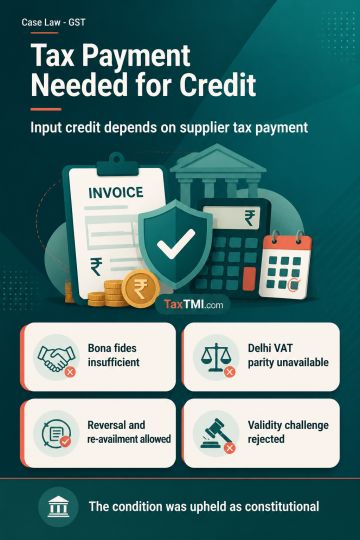
Input tax credit conditions remain constitutionally valid, with eligible recipient claims considered under GST circulars and retrospective filing dead...
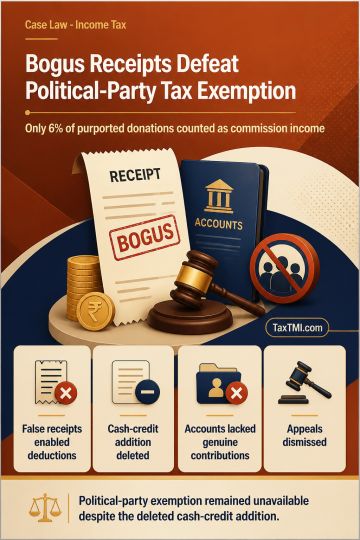
Bogus donation receipts justified commission income assessment and defeated political-party tax exemption for inaccurate accounts and reporting failur...
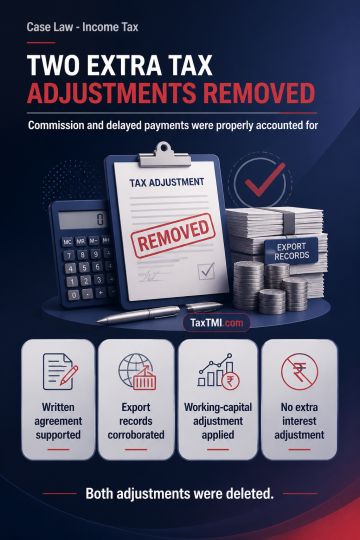
Pure reimbursement without income element escapes tax withholding, while delayed withholding and unsupported provisions face deferred or renewed scrut...
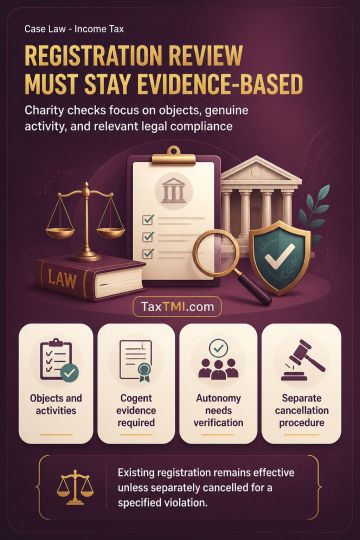
Public benefit requirement defeats charitable registration where residents' association services are reciprocal, member-only facilities governed by mu...
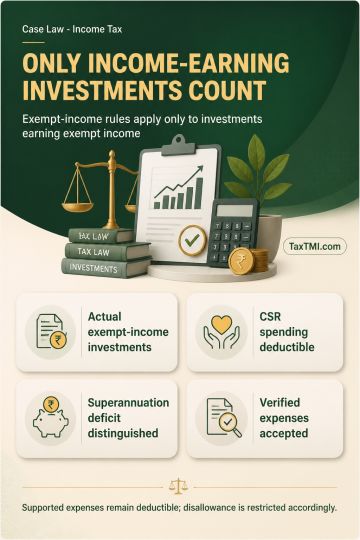
Exempt-income expenditure disallowance is confined to investments that actually generated exempt income, while supported business expenses remain dedu...
This document discusses the responsibilities and obligations of auditors, particularly principal auditors, in conducting audits of group financial statements under the Companies Act, 2013 and relevant auditing standards. Key points: 1. Auditors must determine necessary audit procedures to fulfill requirements of auditing standards and achieve audit objectives, even if additional procedures beyond standards are required. 2. Principal auditors remain responsible for forming and expressing opinion on group financial statements, requiring them to obtain sufficient appropriate audit evidence, including evaluating work of component auditors. 3. Use of "should" in auditing standards does not make provisions discretionary but implies presumptively mandatory responsibilities that auditors must comply with or document alternative procedures meeting objectives. 4. Principal auditors may need to review component auditors' work papers to evaluate if work is adequate, as permitted under law for discharging duties. Merely confirming component auditor's qualification is insufficient for assessing professional competence. 5. Responsibility for consolidated financial statements lies with management and board of holding company, and principal auditors must comply with relevant provisions. 6. Auditors must understand responsibilities under the Act, auditing standards, and carry out procedures accordingly in the public interest, as mandated for NFRA's oversight role.
This document discusses the responsibilities and obligations of auditors, particularly principal auditors, in conducting audits of group financial statements under the Companies Act, 2013 and relevant auditing standards. Key points: 1. Auditors must determine necessary audit procedures to fulfill requirements of auditing standards and achieve audit objectives, even if additional procedures beyond standards are required. 2. Principal auditors remain responsible for forming and expressing opinion on group financial statements, requiring them to obtain sufficient appropriate audit evidence, including evaluating work of component auditors. 3. Use of "should" in auditing standards does not make provisions discretionary but implies presumptively mandatory responsibilities that auditors must comply with or document alternative procedures meeting objectives. 4. Principal auditors may need to review component auditors' work papers to evaluate if work is adequate, as permitted under law for discharging duties. Merely confirming component auditor's qualification is insufficient for assessing professional competence. 5. Responsibility for consolidated financial statements lies with management and board of holding company, and principal auditors must comply with relevant provisions. 6. Auditors must understand responsibilities under the Act, auditing standards, and carry out procedures accordingly in the public interest, as mandated for NFRA's oversight role.
Note: It is a system-generated summary and is for quick reference only.
 TaxTMI
 of 4786

















 Join Channel


 TaxTMI