Tax exemption for regulatory authority income applies retrospectively, subject to non-commercial activity, unchanged income sources, and return filing...
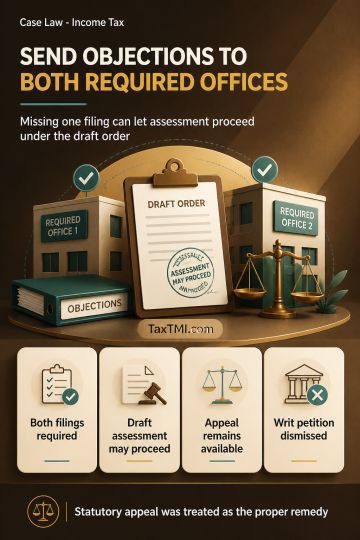
Dispute Resolution Panel objections must reach both prescribed forums; otherwise assessment may proceed and statutory appeal remains the proper remedy...
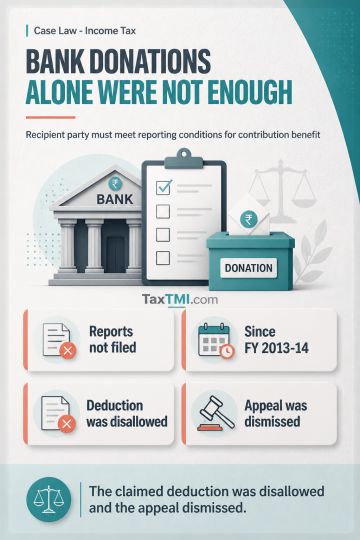
Political contribution deductions require recipient party compliance with contribution-reporting conditions; banking-channel donations alone do not qu...
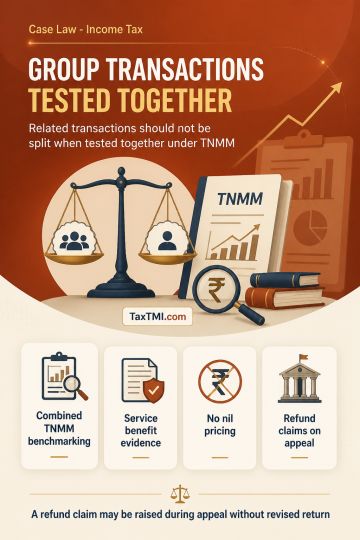
Aggregation under TNMM prevents selective testing of intra-group services without comparable uncontrolled transactions, while appellate additional cla...
Protective assessment cannot duplicate identical receipts under competing characterisations; remote services did not establish a taxable permanent est...
Page of 4784
Press 'Enter' after typing page number.
301 to 320 of 95673 Results
❮
❯
❯❯
0 / 200
Expand Note
Add to Folder
No Folders have been created
+
Are you sure you want to delete "My most important" ?
This document discusses the responsibilities and obligations of auditors, particularly principal auditors, in conducting audits of group financial statements under the Companies Act, 2013 and relevant auditing standards. Key points: 1. Auditors must determine necessary audit procedures to fulfill requirements of auditing standards and achieve audit objectives, even if additional procedures beyond standards are required. 2. Principal auditors remain responsible for forming and expressing opinion on group financial statements, requiring them to obtain sufficient appropriate audit evidence, including evaluating work of component auditors. 3. Use of "should" in auditing standards does not make provisions discretionary but implies presumptively mandatory responsibilities that auditors must comply with or document alternative procedures meeting objectives. 4. Principal auditors may need to review component auditors' work papers to evaluate if work is adequate, as permitted under law for discharging duties. Merely confirming component auditor's qualification is insufficient for assessing professional competence. 5. Responsibility for consolidated financial statements lies with management and board of holding company, and principal auditors must comply with relevant provisions. 6. Auditors must understand responsibilities under the Act, auditing standards, and carry out procedures accordingly in the public interest, as mandated for NFRA's oversight role.
This document discusses the responsibilities and obligations of auditors, particularly principal auditors, in conducting audits of group financial statements under the Companies Act, 2013 and relevant auditing standards. Key points: 1. Auditors must determine necessary audit procedures to fulfill requirements of auditing standards and achieve audit objectives, even if additional procedures beyond standards are required. 2. Principal auditors remain responsible for forming and expressing opinion on group financial statements, requiring them to obtain sufficient appropriate audit evidence, including evaluating work of component auditors. 3. Use of "should" in auditing standards does not make provisions discretionary but implies presumptively mandatory responsibilities that auditors must comply with or document alternative procedures meeting objectives. 4. Principal auditors may need to review component auditors' work papers to evaluate if work is adequate, as permitted under law for discharging duties. Merely confirming component auditor's qualification is insufficient for assessing professional competence. 5. Responsibility for consolidated financial statements lies with management and board of holding company, and principal auditors must comply with relevant provisions. 6. Auditors must understand responsibilities under the Act, auditing standards, and carry out procedures accordingly in the public interest, as mandated for NFRA's oversight role.
Note: It is a system-generated summary and is for quick reference only.
 TaxTMI
 of 4784









 Join Channel


 TaxTMI