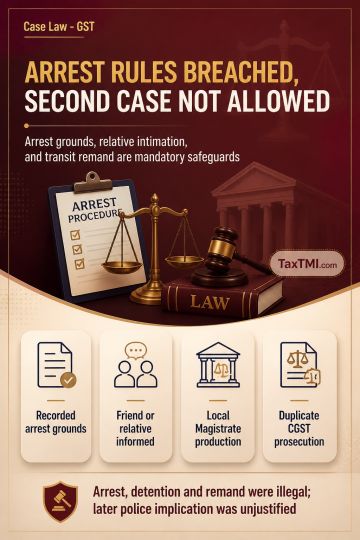
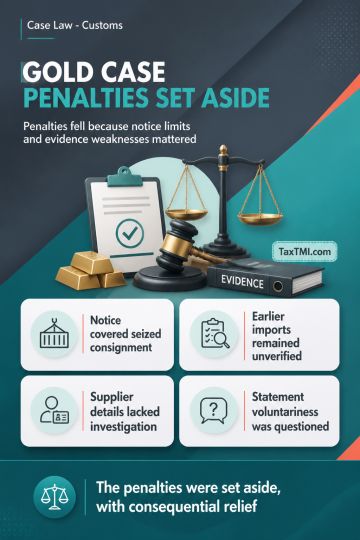
Arrest safeguards require disclosed grounds, relative intimation and transit remand, while duplicate prosecution under the CGST framework is unsustain...
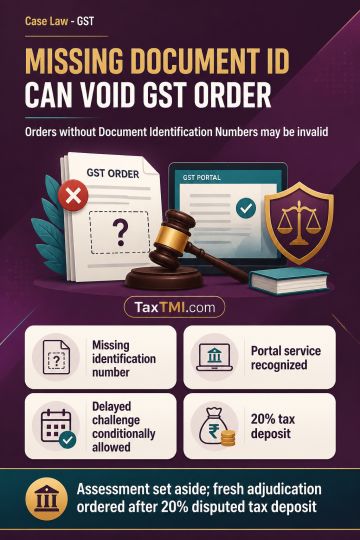
Document Identification Number defects can invalidate GST assessments, with delayed challenges entertained conditionally where patent irregularities e...
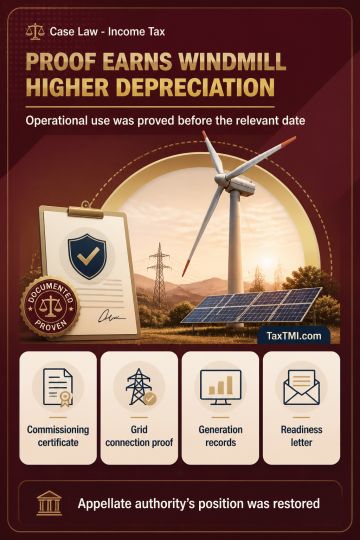
Windmill commissioning evidence supported higher depreciation where grid connection and electricity generation proved operational use before the relev...
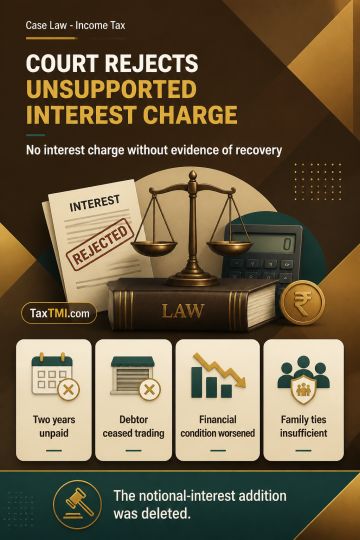
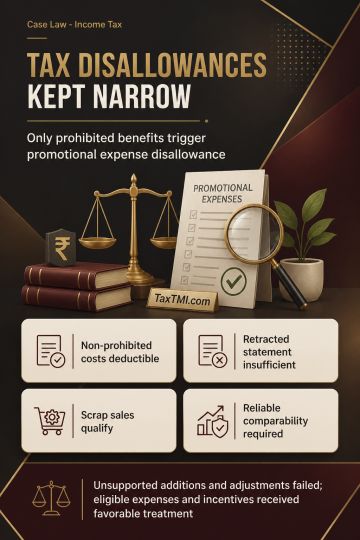
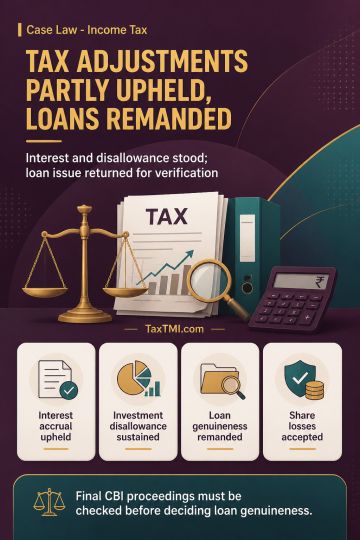
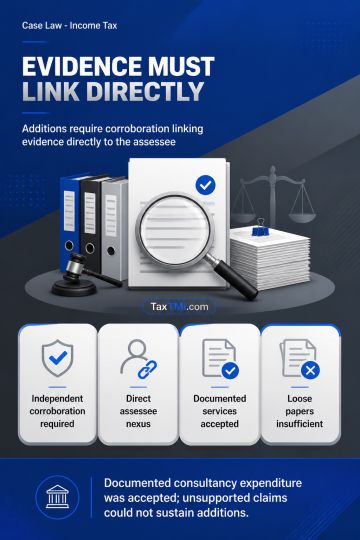
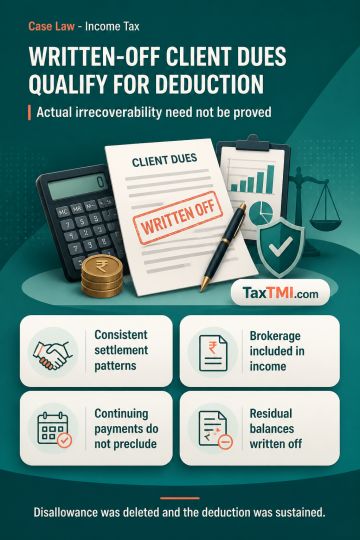
Pharmaceutical promotion and transfer-pricing comparability principles limited disallowances, while uncorroborated search allegations and unsupported ...
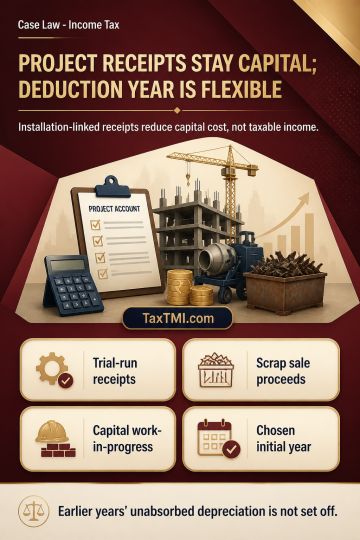
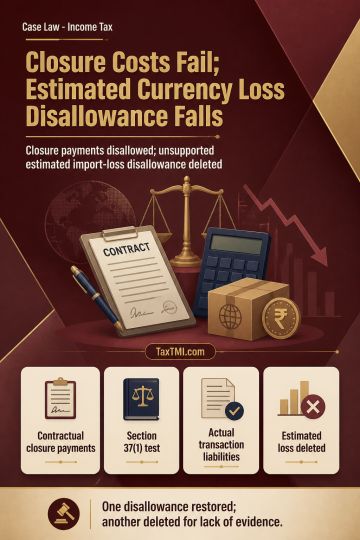
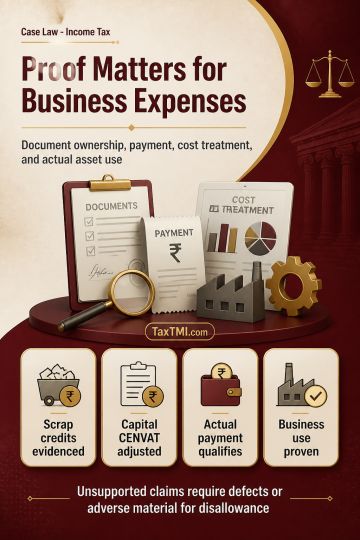
Business expenditure substantiation supports scrap credits, statutory payments and expense claims, while depreciation requires proof of actual busines...
The High Court examined whether proper show cause notices were issued before passing impugned orders u/s 73(9) of the State GST Act. It held that the summary of show cause notice along with tax determination cannot substitute a valid show cause notice initiating proceedings u/s 73. The Court opined that the impugned orders were contrary to Section 73 and Rule 142(1)(a) as they were passed without issuing a proper show cause notice. Regarding the determination of tax and order attached to the summary, the Court held that as per Sections 73(3) and 73(9), only the proper officer can issue show cause notice, statement, and order. Section 2(91) defines the proper officer. Failure to authenticate by the proper officer renders the documents ineffective. The Court stated that unless Rules are amended, Rule 26(3) authentication must be followed when the proper officer issues notices/orders. On conformity with Section 75(4) and principles of natural justice, the Court held that when the statute mandates an opportunity of hearing, it must be provided. Merely mentioning the reply date in the summary without other hearing details like date, time, and venue is insufficient. If no reply is filed, passing an adverse order without a hearing opportunity would render Section 75(4) redundant. Consequently, the impugned orders were set aside, and the pet.
The High Court examined whether proper show cause notices were issued before passing impugned orders u/s 73(9) of the State GST Act. It held that the summary of show cause notice along with tax determination cannot substitute a valid show cause notice initiating proceedings u/s 73. The Court opined that the impugned orders were contrary to Section 73 and Rule 142(1)(a) as they were passed without issuing a proper show cause notice. Regarding the determination of tax and order attached to the summary, the Court held that as per Sections 73(3) and 73(9), only the proper officer can issue show cause notice, statement, and order. Section 2(91) defines the proper officer. Failure to authenticate by the proper officer renders the documents ineffective. The Court stated that unless Rules are amended, Rule 26(3) authentication must be followed when the proper officer issues notices/orders. On conformity with Section 75(4) and principles of natural justice, the Court held that when the statute mandates an opportunity of hearing, it must be provided. Merely mentioning the reply date in the summary without other hearing details like date, time, and venue is insufficient. If no reply is filed, passing an adverse order without a hearing opportunity would render Section 75(4) redundant. Consequently, the impugned orders were set aside, and the pet.
Note: It is a system-generated summary and is for quick reference only.
 TaxTMI
 of 4788




 Join Channel


 TaxTMI