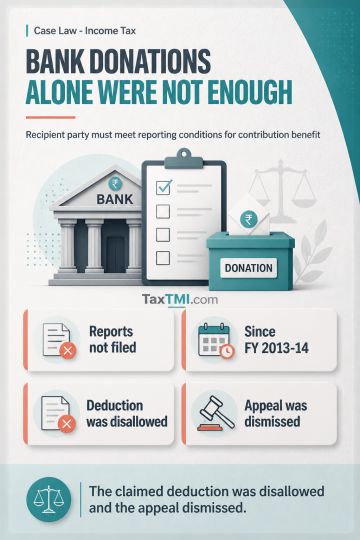
Political contribution deductions require recipient party compliance with contribution-reporting conditions; banking-channel donations alone do not qu...
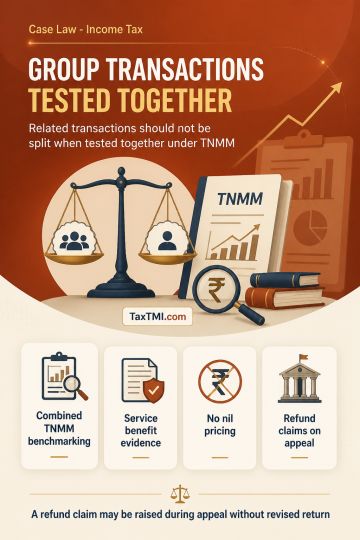
Aggregation under TNMM prevents selective testing of intra-group services without comparable uncontrolled transactions, while appellate additional cla...
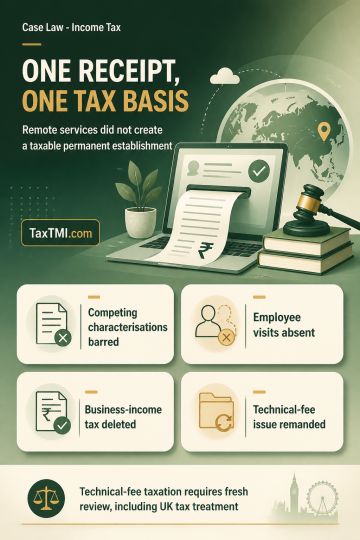
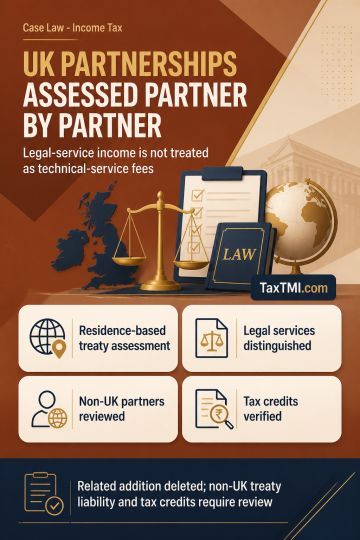
Protective assessment cannot duplicate identical receipts under competing characterisations; remote services did not establish a taxable permanent est...
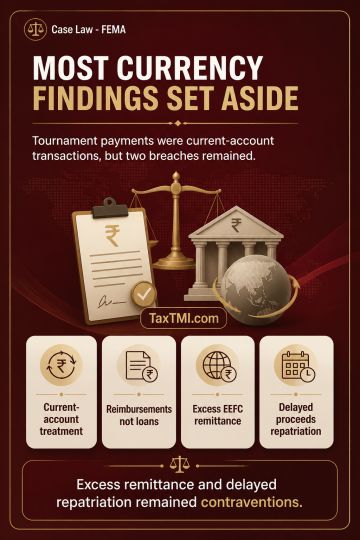
Current account treatment of overseas tournament services removed most FEMA findings, but excess EEFC remittance and delayed repatriation remained bre...
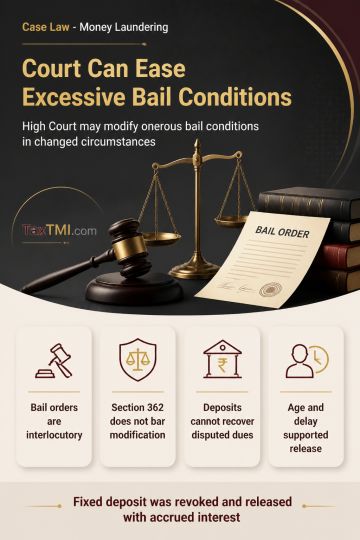
Modification of bail conditions remains available through inherent jurisdiction where onerous deposits undermine justice and cannot recover disputed d...
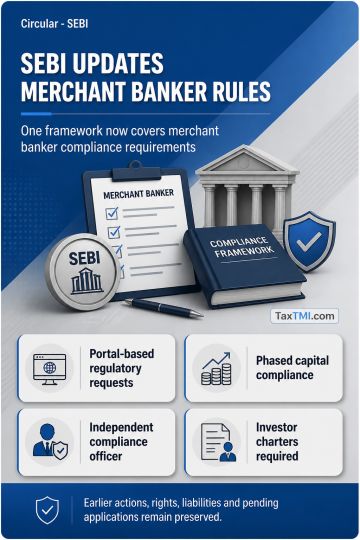
Merchant banker regulation consolidates registration, governance, capital, reporting, outsourcing and investor-protection requirements under an update...
The applicant purchases second-hand gold or diamond jewelry from unregistered individuals, melts and transforms them into new pieces, altering their nature and characteristics. This process constitutes manufacturing u/s 2(72) of the GST Act, where the purchased gold is used as a raw material or input to make a new commodity. When the applicant melts the jewelry into gold lumps, the nature of the goods changes, and the characteristics and classification are altered. In such cases, the applicant cannot avail the benefit of Rule 32(5) of the CGST Rules, 2017, which allows paying GST on the margin value (difference between selling and purchase price) for second-hand goods. The applicant cannot adopt the valuation method prescribed in Rule 32(5) when the old jewelry is melted to manufacture a new ornament. However, if the old gold ornaments are purchased and supplied after minor processing that does not change their nature, the applicant can pay tax on the value determined u/r 32(5). Rule 32(5) is available only when a registered person deals solely in buying and selling second-hand goods. If engaged in other activities like manufacturing or selling new articles, the applicant cannot avail the benefit of Rule 32(5) and must pay GST at the applicable rate on the actual value of the commodity, not the margin value.
The applicant purchases second-hand gold or diamond jewelry from unregistered individuals, melts and transforms them into new pieces, altering their nature and characteristics. This process constitutes manufacturing u/s 2(72) of the GST Act, where the purchased gold is used as a raw material or input to make a new commodity. When the applicant melts the jewelry into gold lumps, the nature of the goods changes, and the characteristics and classification are altered. In such cases, the applicant cannot avail the benefit of Rule 32(5) of the CGST Rules, 2017, which allows paying GST on the margin value (difference between selling and purchase price) for second-hand goods. The applicant cannot adopt the valuation method prescribed in Rule 32(5) when the old jewelry is melted to manufacture a new ornament. However, if the old gold ornaments are purchased and supplied after minor processing that does not change their nature, the applicant can pay tax on the value determined u/r 32(5). Rule 32(5) is available only when a registered person deals solely in buying and selling second-hand goods. If engaged in other activities like manufacturing or selling new articles, the applicant cannot avail the benefit of Rule 32(5) and must pay GST at the applicable rate on the actual value of the commodity, not the margin value.
Note: It is a system-generated summary and is for quick reference only.
 TaxTMI
 of 4782





 Join Channel


 TaxTMI