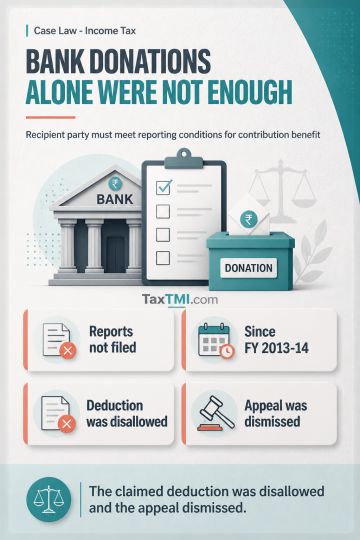
Political contribution deductions require recipient party compliance with contribution-reporting conditions; banking-channel donations alone do not qu...
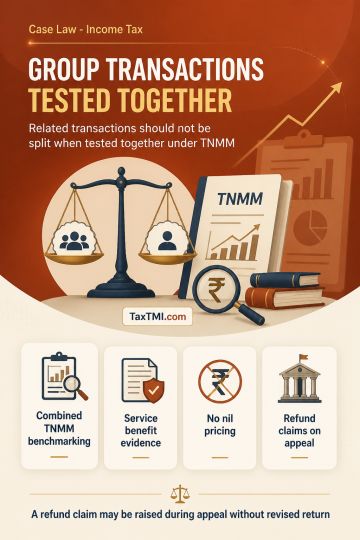
Aggregation under TNMM prevents selective testing of intra-group services without comparable uncontrolled transactions, while appellate additional cla...
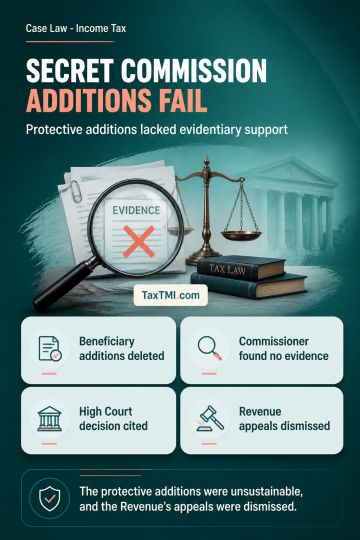
Protective assessment cannot duplicate identical receipts under competing characterisations; remote services did not establish a taxable permanent est...
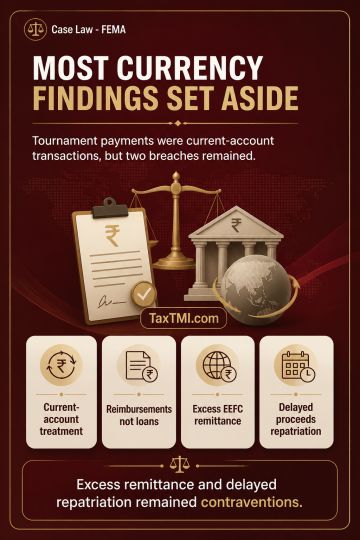
Current account treatment of overseas tournament services removed most FEMA findings, but excess EEFC remittance and delayed repatriation remained bre...
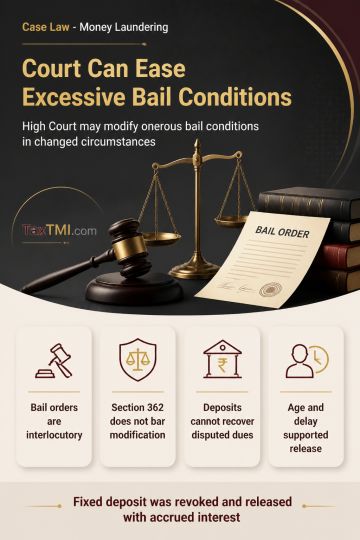
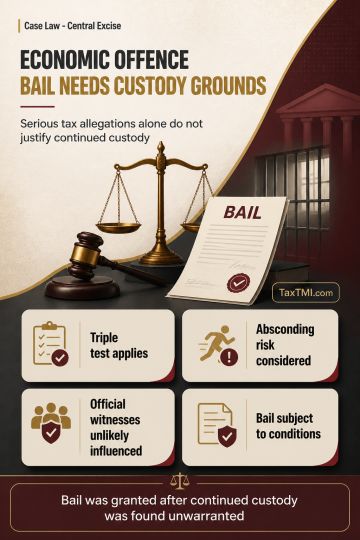
Modification of bail conditions remains available through inherent jurisdiction where onerous deposits undermine justice and cannot recover disputed d...
Merchant banker regulation consolidates registration, governance, capital, reporting, outsourcing and investor-protection requirements under an update...
This judgment deals with the validity of reassessment notices issued u/s 148 of the Income Tax Act between July and September 2022, in light of the Tax Ordinance and the Supreme Court's decision in Ashish Agarwal. The key points are: The Court clarified that directions issued under Article 142 are not binding ratios but supplementary measures to achieve complete justice. It exercised this power in tax matters where Revenue actions were not per law. The Court deemed reassessment notices issued under the old regime between April 1 and June 30, 2021, as show-cause notices under the new regime in Ashish Agarwal, balancing assessee and Revenue rights and avoiding further appeals. The legal fiction created a deemed stay on proceedings till the Revenue supplied relevant information to assessees per the Court's directions. Exclusions apply for computing limitation u/s 149. After April 1, 2021, the Income Tax Act must be read with substituted provisions and the Tax Ordinance applies if actions fall between March 20, 2020, and March 31, 2021. Section 3(1) overrides Section 149 only for relaxing reassessment notice time limits. Reassessment notices under the new regime must be issued within the surviving time limit under the Act read with the Ordinance; notices beyond this.
This judgment deals with the validity of reassessment notices issued u/s 148 of the Income Tax Act between July and September 2022, in light of the Tax Ordinance and the Supreme Court's decision in Ashish Agarwal. The key points are: The Court clarified that directions issued under Article 142 are not binding ratios but supplementary measures to achieve complete justice. It exercised this power in tax matters where Revenue actions were not per law. The Court deemed reassessment notices issued under the old regime between April 1 and June 30, 2021, as show-cause notices under the new regime in Ashish Agarwal, balancing assessee and Revenue rights and avoiding further appeals. The legal fiction created a deemed stay on proceedings till the Revenue supplied relevant information to assessees per the Court's directions. Exclusions apply for computing limitation u/s 149. After April 1, 2021, the Income Tax Act must be read with substituted provisions and the Tax Ordinance applies if actions fall between March 20, 2020, and March 31, 2021. Section 3(1) overrides Section 149 only for relaxing reassessment notice time limits. Reassessment notices under the new regime must be issued within the surviving time limit under the Act read with the Ordinance; notices beyond this.
Note: It is a system-generated summary and is for quick reference only.
 TaxTMI
 of 4782














 Join Channel


 TaxTMI